



A Built-In Thirst Indicator
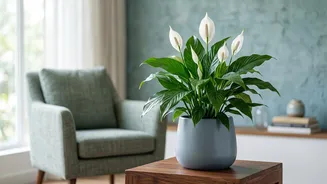
The Peace Lily, or Spathiphyllum, is famous among indoor gardeners for being a bit of a drama queen. When it needs water, it doesn't just hint at its thirst; it puts on a full performance, with its lush, green leaves wilting and hanging limply. While
this can look alarming, it's actually one of the plant's best features, especially for those new to houseplants. This drooping is a clear, unmissable signal that it's time to water. Unlike other plants that might develop crispy, brown tips or slowly yellow over time, the Peace Lily tells you exactly what it needs, right when it needs it, removing much of the guesswork that can intimidate beginners.
The Science Behind the Sag
So, what's happening inside the plant to cause such a visible change? The answer is a process called turgor pressure. Plant cells, when full of water, are firm and rigid, holding the leaves and stems upright. Think of a fully inflated balloon. When the Peace Lily's soil starts to dry out, its roots can no longer draw up enough water to keep all its cells topped up. As the water level within the cells drops, they lose that internal pressure, becoming soft and flexible. This loss of structural integrity causes the thin leaves and stems to succumb to gravity and droop. The good news is that this is usually a temporary state. Once you give the plant a thorough drink, the roots get back to work, water refills the cells, and the leaves typically return to their perky, upright position within a few hours.
How to Respond to the Droop
When you see your Peace Lily drooping, don't just reflexively grab the watering can. The first step is always to check the soil. Stick your finger about an inch or two into the potting mix. If it feels dry, then underwatering is almost certainly the culprit. In this case, the solution is simple: give the plant a deep watering. Pour water over the soil until it runs freely from the drainage holes at the bottom of the pot. Let it drain completely, and don't allow the pot to sit in a saucer full of water, as this can lead to other problems. You'll often be rewarded by seeing the leaves start to lift just hours later.
When Drooping Means the Opposite
Here's the crucial twist for new plant parents: drooping can also be a sign of overwatering. It seems counterintuitive, but when soil is constantly soggy, the roots can't get the oxygen they need to function. They begin to suffocate and can develop root rot. Damaged or rotting roots are unable to absorb water, leading to a dehydrated plant even when it's sitting in wet soil. So how do you tell the difference? Check the soil. If your plant is drooping but the soil feels wet or muddy to the touch, and the pot feels heavy, you've likely overwatered it. You might also notice yellowing leaves or a musty smell from the soil. In this case, hold off on watering and ensure the pot has good drainage. Letting the top inch or two of soil dry out between waterings is the best prevention.
Creating a Happy Environment
While watering is key, a few other conditions will keep your Peace Lily from needing to be so dramatic. These tropical plants are native to the forest floor, so they prefer bright, indirect light rather than harsh, direct sun, which can scorch their leaves. They also appreciate higher humidity, making them great choices for kitchens or bathrooms. A well-draining potting mix is essential to prevent waterlogging. By providing the right overall environment, you'll find your Peace Lily remains resilient, healthy, and only droops when it’s genuinely sending you a helpful reminder that it’s thirsty.