
Choose Your Grand Adventure
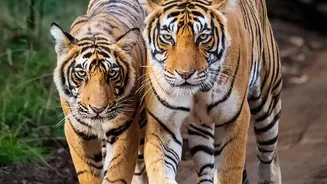
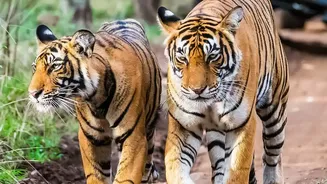
India is home to over 100 national parks, each offering a unique glimpse into the subcontinent's incredible biodiversity. Your first step is deciding what you want to see. For the best chance of spotting a Bengal tiger, Ranthambore in Rajasthan and Bandhavgarh
in Madhya Pradesh are world-renowned. Ranthambore is particularly famous for the picturesque ruins that dot its landscape, offering a historical backdrop to your wildlife search. If your heart is set on the majestic Asiatic lion, there's only one place in the world to find them: Gir National Park in Gujarat. For a different experience, Kaziranga National Park in Assam is a UNESCO World Heritage Site celebrated for its successful conservation of the great one-horned rhinoceros. Meanwhile, Jim Corbett National Park in Uttarakhand, India's oldest, is a haven for elephants and a vast array of birdlife alongside its tigers.
The All-Important Booking Window
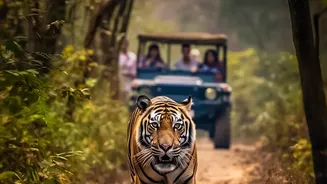
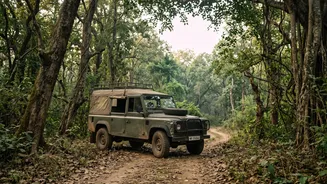
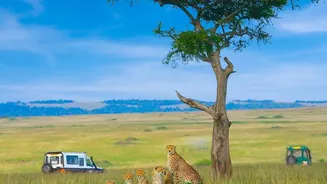
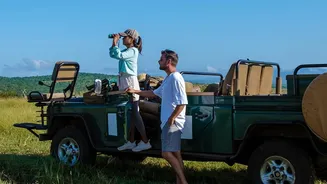
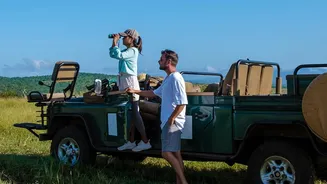
Spontaneity is not your friend when booking an Indian safari. Most popular national parks open for bookings 90 to 120 days in advance, and permits for the best zones sell out almost instantly. Most bookings are done online through official state forest department websites. You will need to provide personal details and a valid government-approved ID, like an Aadhar card or passport for foreign nationals, for each visitor. There are two main types of vehicles: the six-seater jeep (often called a Gypsy) and the 20-seater canter. The smaller jeep offers a more intimate and flexible experience. Be aware that many parks have specific opening dates, with most reopening around October 1st, though some in Madhya Pradesh open mid-October and parks like Kaziranga can open as late as November 1st.
Understanding Zones, Gates, and Guides
Booking a permit for a park doesn't grant you access to the entire area. Parks are divided into multiple zones or gates, and your safari is restricted to the one you book. Some zones have higher tiger densities and better sighting records than others, which is why they get booked out so quickly. When booking, research the best zones for sightings in your chosen park. Your experience also heavily depends on your guide and driver. While a forest guide is mandatory in every vehicle, a skilled naturalist can transform your trip, pointing out not just the big game but also birds, alarm calls, and tracks that tell the story of the jungle. Many high-end lodges and reputable tour operators work with experienced naturalists.
Packing for the Wilds
What you wear matters. Bright colours are a no-go as they can startle wildlife. Instead, opt for neutral, earthy tones like khaki, beige, and olive green. Layering is key; early morning safaris, especially from November to February, can be surprisingly cold, but it warms up as the sun rises. A hat, sunglasses, and sunscreen are essential for protection from the sun in an open-top vehicle. Don't forget a pair of binoculars for better views, especially for birdwatching. Carry a reusable water bottle to stay hydrated and minimise plastic waste. Comfortable, closed-toed shoes are a must, as you may have the opportunity for short walks in some areas.
Safari Etiquette and a Lighter Footprint
A safari is a visit to the animals' home, and it's crucial to be a respectful guest. Maintain silence and avoid loud noises or sudden movements; the quieter you are, the better your chances of seeing animals behave naturally. Never feed or attempt to touch any wildlife, and always maintain a safe distance. Using a camera flash is often prohibited as it can disturb the animals. Responsible tourism is about more than just your behaviour on the drive; it extends to the choices you make for your trip. Supporting eco-conscious lodges and local communities helps ensure that tourism benefits conservation efforts. The goal isn't just to see wildlife but to help preserve it for future generations.