






Why Your Skin Panics in Monsoon
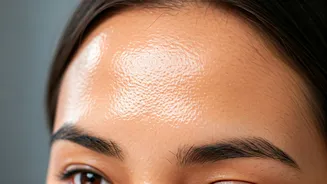
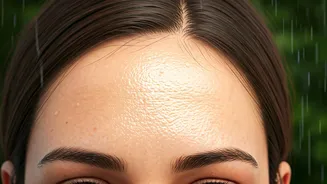
That familiar sticky feeling isn't just in your head. When the monsoon arrives, the humidity in the air skyrockets. This has a direct effect on your skin. The moisture in the air signals your sebaceous glands to produce more oil (sebum). This excess oil then
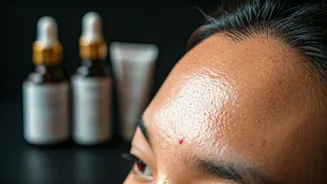
mixes with sweat, dirt, and dead skin cells, creating a perfect recipe for clogged pores. Open pores in humid weather are more susceptible to gathering this grime, which can lead to a shiny complexion, blackheads, whiteheads, and the dreaded monsoon acne. For those already with oily or acne-prone skin, this season can feel like a constant battle. The damp, warm environment is also an ideal breeding ground for bacteria and even fungal acne, which can cause itchy bumps that standard acne treatments won't solve.
The 'Less Grease' Philosophy
The single most important change for monsoon skincare is to reduce the 'grease' or heaviness of your products. That rich, creamy moisturiser that saved your skin in winter will likely feel suffocating now. Instead, think lightweight. Switch to gel-based or water-based cleansers, moisturisers, and sunscreens. These formulas are designed to hydrate without leaving a heavy, sticky film. Look for products labelled 'non-comedogenic', which means they are specifically formulated not to clog pores. Skipping moisturiser entirely is a common mistake that can backfire. When your skin is dehydrated—which can still happen in humid weather—it may produce even more oil to compensate. The key is to choose the right kind of hydration: something light that absorbs quickly and leaves a matte or natural finish.
The 'More Calm' Approach
With your skin under stress from the humidity and increased oiliness, the next step is to introduce calming and balancing ingredients. This isn't about adding more layers, but smarter ones. Niacinamide is a superstar ingredient for humid weather; it helps regulate oil production, minimise the appearance of pores, and reduce inflammation. Hyaluronic acid is another hero, acting as a humectant that draws moisture into the skin without adding oil, providing lightweight hydration. For tackling breakouts and soothing irritation, look for ingredients like salicylic acid (a BHA that exfoliates inside the pores), green tea, tea tree oil, and aloe vera. These ingredients help to gently exfoliate, reduce bacteria, and calm redness without stripping the skin's protective barrier.
Your New Monsoon Skincare Steps
Building an effective monsoon routine is straightforward. First, cleanse your face twice a day with a gentle, perhaps even soap-free, cleanser to remove excess oil and grime without over-drying. Next, consider an alcohol-free toner to help balance your skin's pH. Gentle exfoliation, about once or twice a week with a mild chemical exfoliant like salicylic acid (BHA), is crucial to keep pores clear. This is followed by your treatment step, which could be a lightweight serum with niacinamide or hyaluronic acid. Then, even if your skin feels oily, apply a lightweight, oil-free moisturiser—a gel or lotion is perfect. Finally, never skip sunscreen. UV rays penetrate clouds, so a broad-spectrum, non-greasy sunscreen with at least SPF 30 is non-negotiable every single day.
Lifestyle Habits for Happy Skin
Your daily habits play a huge role in your skin's health, especially during the monsoon. Try to avoid touching your face throughout the day, as this transfers dirt and bacteria from your hands. Staying hydrated by drinking plenty of water helps your skin from the inside out. Pay attention to your diet as well; consuming a balanced diet rich in fruits and vegetables can support skin health. Also, be mindful of your environment. Fungal infections thrive in damp conditions, so it’s important to keep your skin dry and avoid wearing tight, wet clothes for extended periods. Regularly changing your pillowcases and towels can also make a significant difference by reducing your skin's exposure to bacteria.