







A New Financial Reality
For many young Indians, the economic certainties their parents may have enjoyed feel like a distant memory. The post-pandemic world has been marked by persistent inflation, which erodes purchasing power and makes everyday life more expensive. Real wage
growth has struggled to keep pace with the rising cost of living, particularly for essentials like housing, healthcare, and education. This economic pressure has forced a generation to become more pragmatic. The dream is no longer just about earning more, but also about managing what one has more effectively. This shift isn't born from pessimism, but from a clear-eyed realism about the challenges of building a secure future in an uncertain economy.
The Fintech Revolution
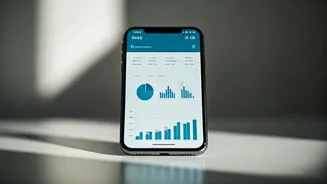
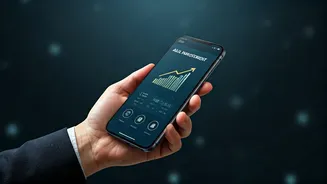
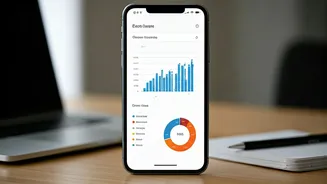
This new focus on budgeting is powered by an explosion in financial technology. India has become the world's leading market for finance app downloads, with billions of hours spent on these platforms. For Gen Z, who grew up as digital natives, managing money through an app is second nature. Unified Payments Interface (UPI) has transformed daily transactions, making every expense trackable. Dozens of apps like Groww, Zerodha, and Walnut help young users budget, track expenses, and even make small, regular investments with unprecedented ease. This tech ecosystem provides the tools for financial self-reliance, allowing users to monitor their spending in real-time and align it with their goals. The phone is now a personal financial advisor, always available in their pocket.
Mindset Shift: From FOMO to Financial Wellness
The change is more than just economic; it's cultural. The social media-driven pressure of FOMO (Fear Of Missing Out) is slowly being replaced by a desire for financial wellness and independence. While many young people still prioritize experiences like travel and dining out, the approach is becoming more deliberate. New trends like “loud budgeting” and “soft saving” are gaining traction. Loud budgeting encourages openly discussing financial goals and limitations, turning down expensive plans by saying, “It’s not in my budget,” without shame. Soft saving, meanwhile, is about finding a balance—saving diligently but allowing for small pleasures that make life enjoyable. This reflects a move away from the silent accumulation of wealth towards a more holistic and vocal approach to financial health.
What 'Budgeting' Looks Like Now
Today's budgeting is not about extreme austerity. It's about value-driven, conscious spending. Data on UPI transactions shows that a huge volume of payments are small, frequent, and for daily essentials like groceries and food. Young consumers are using credit, but with more caution. Many are opting for secured credit cards backed by fixed deposits, reflecting a desire to build a credit history responsibly. There's also a growing interest in financial literacy, with a significant portion of urban Gen Z regularly consuming personal finance content online through social media and podcasts. They are actively seeking knowledge to make informed decisions, whether it's understanding risk for investments in equities and crypto or planning for short-term flexibility over rigid long-term goals.