


Understanding the Scale of the Event
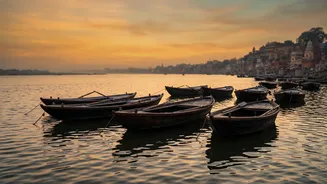
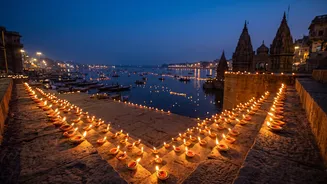
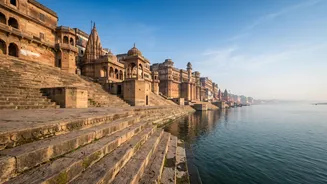
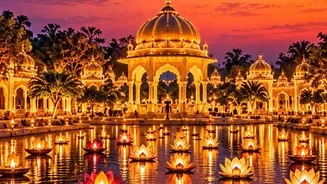
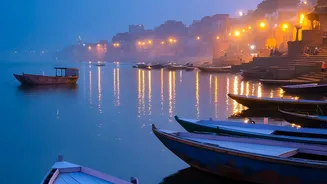
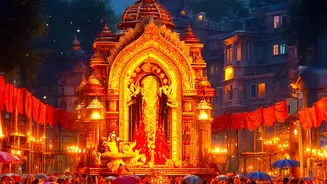
Dev Deepawali, celebrated on Kartik Purnima, is one of Varanasi's most significant festivals, attracting hundreds of thousands of people to the city. It is believed that on this night, the gods descend to Earth to bathe in the Ganga. All 84 ghats along
the river are illuminated with millions of earthen lamps, creating a breathtaking spectacle. With such a large concentration of people, especially in the narrow lanes leading to the ghats, crowd and traffic management becomes a paramount concern for the district administration to prevent congestion and ensure public safety.
Key Restricted Zones and Timings
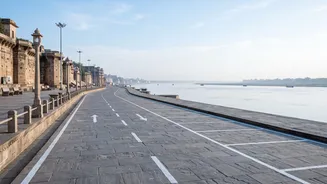
The core of the traffic plan involves restricting vehicular movement in areas leading to the main ghats. Based on plans from previous years, vehicle movement towards the ghats is typically stopped from the early afternoon on the day of the festival, often around 2:00 PM or 3:00 PM, until late at night. The area between Maidagin and Godowlia, a major artery, is usually a 'no-vehicle' zone. Restrictions are also heavily enforced on routes leading to popular spots like Dashashwamedh Ghat and Assi Ghat. Visitors should be prepared to walk the last one to three kilometres to reach the riverfront. Heavy goods vehicles are often barred from entering city limits for a 24-hour period.
Rules for Different Types of Vehicles
The restrictions apply to most forms of transport. Four-wheelers and commercial vehicles face the strictest limitations, being diverted to designated parking areas on the city's outskirts. In previous years, even the operation of autos and e-rickshaws in the core ghat areas has been suspended from noon until the festivities conclude late in the evening. Only emergency vehicles like ambulances and fire services, along with specific VVIP convoys, are typically granted conditional access. It is crucial for visitors and residents to check the final advisory issued by the Varanasi Police Commissionerate just before the festival for specific details.
Designated Parking and Alternative Routes
To accommodate the influx of vehicles, authorities typically set up multiple temporary parking areas. For vehicles arriving from different directions such as Prayagraj, Bhadohi, Azamgarh, and Ghazipur, specific grounds and open spaces are designated for parking. From these points, devotees and tourists must proceed on foot. The plan is to keep all traffic away from the central ghat area of Godowlia. Taxi and cab services will drop passengers at the closest permissible points, which could be Maidagin, Lanka, or other barricaded spots, depending on the destination ghat. It's advisable to coordinate with your driver in advance.
General Advice for a Smooth Experience
The key to a positive Dev Deepawali experience is planning. Arrive at the ghats in the early afternoon, well before sunset, as popular spots fill up quickly. Wear comfortable footwear, as you will be doing a lot of walking on crowded and uneven streets. Given the massive crowds, mobile networks can be unreliable, so it's wise to set a pre_decided meeting point if you are in a group. Booking accommodation close to the ghats can mitigate travel issues, but these rooms are often booked months in advance. Most importantly, follow the instructions from police and volunteers on the ground to ensure a safe and orderly celebration for everyone.