






An Escape from Urban Burnout
The remote work revolution, accelerated since 2020, was initially sold as the ultimate solution to work-life balance. However, for many young professionals in bustling Indian cities, 'work from home' soon became 'live at work'. The lines between office
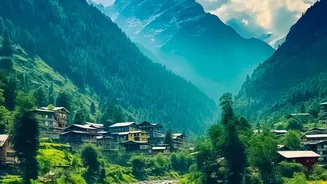
hours and personal time blurred, and the same four walls that offered safety began to feel limiting. The promise of flexibility was often overshadowed by isolation and the inability to truly disconnect. In response, a new trend has emerged: the workation. This isn't just about taking a laptop on holiday; it's a conscious decision to relocate to a more inspiring environment for a sustained period. A recent survey highlighted that a third of Indian travellers now prefer working from natural settings, driven by a desire to escape urban burnout and find a better work-life balance. Rishikesh, with its serene Himalayan backdrop, has become a prime destination for this new wave of workers.
The Unique Pull of Rishikesh
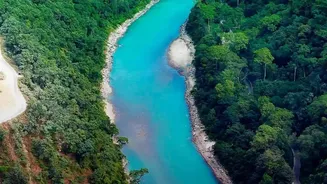
While many destinations offer scenic beauty, Rishikesh provides a unique blend that resonates deeply with the modern professional's quest for more than just a pretty view. Known globally as the 'Yoga Capital of the World', its identity is rooted in wellness and spirituality. The town offers an unparalleled mix of adventure sports like white-water rafting, serene nature treks to waterfalls, and a deep-seated spiritual calmness centred around the sacred Ganges. This duality allows one to finish a demanding work presentation and, within minutes, be at a riverside yoga class or meditating by the ghats. This seamless integration of work, wellness, and adventure is the town's core appeal. Unlike purely tourist-focused spots, Rishikesh has a rhythm that supports both productivity and personal growth.
The River View: A Productivity Tool
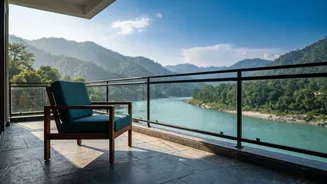
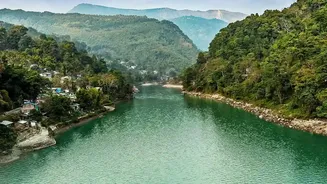
The specific preference for river-facing locations is more than an aesthetic choice; it’s a strategic one for mental clarity and focus. The constant, gentle sound of the flowing Ganga offers a natural, non-distracting soundscape that stands in stark contrast to the jarring noises of city life. Studies have shown that proximity to water bodies can lower stress and anxiety, creating an ideal environment for deep work. Professionals find that gazing at the river during a break is more restorative than scrolling through social media. This calming environment helps improve focus and creativity, turning the location itself into a tool for better performance. Cafes and accommodations, particularly in quieter areas like Tapovan, have capitalized on this, offering stunning Ganga views alongside reliable Wi-Fi, making them perfect for focused work sessions.
The Wellness Dividend and Community
A workation in Rishikesh is an investment in well-being. The easy access to daily yoga classes, meditation workshops, sound healing, and healthy Sattvic food is a powerful antidote to the screen-induced fatigue of remote work. This focus on holistic health means professionals return not just with their work completed, but feeling mentally and physically recharged. Furthermore, Rishikesh has a growing, intimate community of digital nomads. Unlike larger, more saturated nomad hotspots, it’s easier to connect with like-minded individuals here. Regular meetups at popular cafes like Little Buddha Café or The 60's Café foster a sense of belonging and create opportunities for organic networking with developers, creators, and founders from around the world.
The Practicalities: Is It Sustainable?
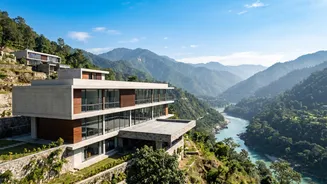
The dream of working from the mountains is only viable if the infrastructure supports it. In recent years, Rishikesh's connectivity has improved significantly. While cafe Wi-Fi can sometimes be inconsistent during peak hours, the prevalence of strong 4G networks from providers like Airtel and Jio allows most professionals to create a reliable setup with a personal hotspot. Moreover, dedicated co-working spaces and long-stay-friendly accommodations now offer high-speed internet and power backups, addressing the core needs of remote workers. Combined with a relatively low cost of living compared to major cities, these practical factors have made Rishikesh not just an aspirational destination, but a genuinely sustainable choice for young professionals looking to redefine their relationship with work.