







From Clean Hands to Clean Eating
For generations, food hygiene meant washing vegetables and keeping a clean kitchen. But with the boom in packaged and processed foods in India, the definition of food safety is expanding. The biggest risks are no longer just on the surface; they're hidden
inside the box. As diet-related conditions like obesity and diabetes rise, understanding what is in our food has become a fundamental form of self-care. Just as we wash away germs, we must now learn to scan for excess sugar, salt, and unhealthy fats. This shift is making label literacy—the ability to read and understand a food label—an essential household practice for anyone looking to protect their family's health. It’s no longer just for nutrition experts; it's for every person who buys food.
Don't Be Fooled by the Front
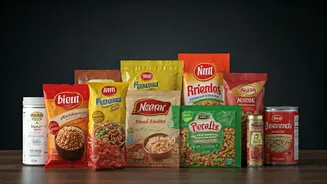
The front of a package is prime marketing real estate. It’s covered in appealing claims like “All Natural,” “Multigrain,” or “No Added Sugar.” While not always false, these terms can be misleading. The Food Safety and Standards Authority of India (FSSAI) has been cracking down on brands for making unsubstantiated claims. For example, a “multigrain” bread might contain mostly refined flour (maida) with only a tiny fraction of other grains. A fruit juice that boasts “No Added Sugar” might be made with sugarcane juice, which is still a form of sugar. The lesson is simple: treat the front of the pack as an advertisement and turn to the back for the facts.
The Truth Is in the Ingredients List
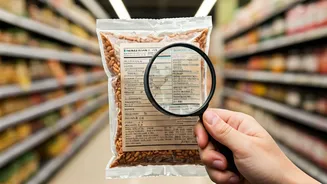
The single most important part of any food label is the ingredients list. According to FSSAI rules, ingredients must be listed in descending order by weight. This means the first two or three ingredients are what make up the bulk of the product. If sugar, refined flour (maida), or palm oil are at the top of the list, you can assume it's not the healthiest choice, regardless of the claims on the front. This simple rule helps you see past the marketing and understand the true nature of the food you're about to consume. A quick scan of the first few ingredients gives you more honest information than any health halo on the packaging.
Mastering the Nutrition Facts Table
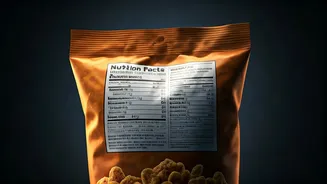
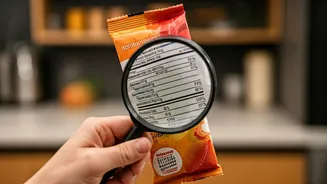
The nutrition information panel can look intimidating with its numbers and percentages, but you only need to focus on a few key areas. First, always check the serving size. All the values on the label refer to one serving, not the whole package. Next, look at calories, total fat (especially saturated and trans fats), sodium, and total sugars. The FSSAI mandates this information be displayed per 100g/ml or per serving. A simple rule of thumb for daily values (%DV) is that 5% or less is low, and 20% or more is high. Aim for foods that are low in sodium and saturated fat, and high in beneficial nutrients like dietary fibre.
Beware of Hidden Sugars and Salts
Manufacturers have many creative names for sugar, making it hard to spot. Look for words ending in “-ose” (like dextrose, fructose, maltose) and terms like corn syrup, maltodextrin, cane juice, or agave nectar. These are all forms of added sugar that can hide in supposedly healthy foods like breakfast cereals, flavoured yogurts, sauces, and protein bars. Similarly, sodium can be present in high amounts in processed foods, even those that don't taste particularly salty. Learning to spot these hidden ingredients is a crucial step in taking control of your diet and making genuinely healthy choices.