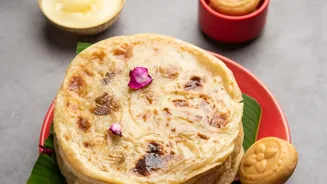




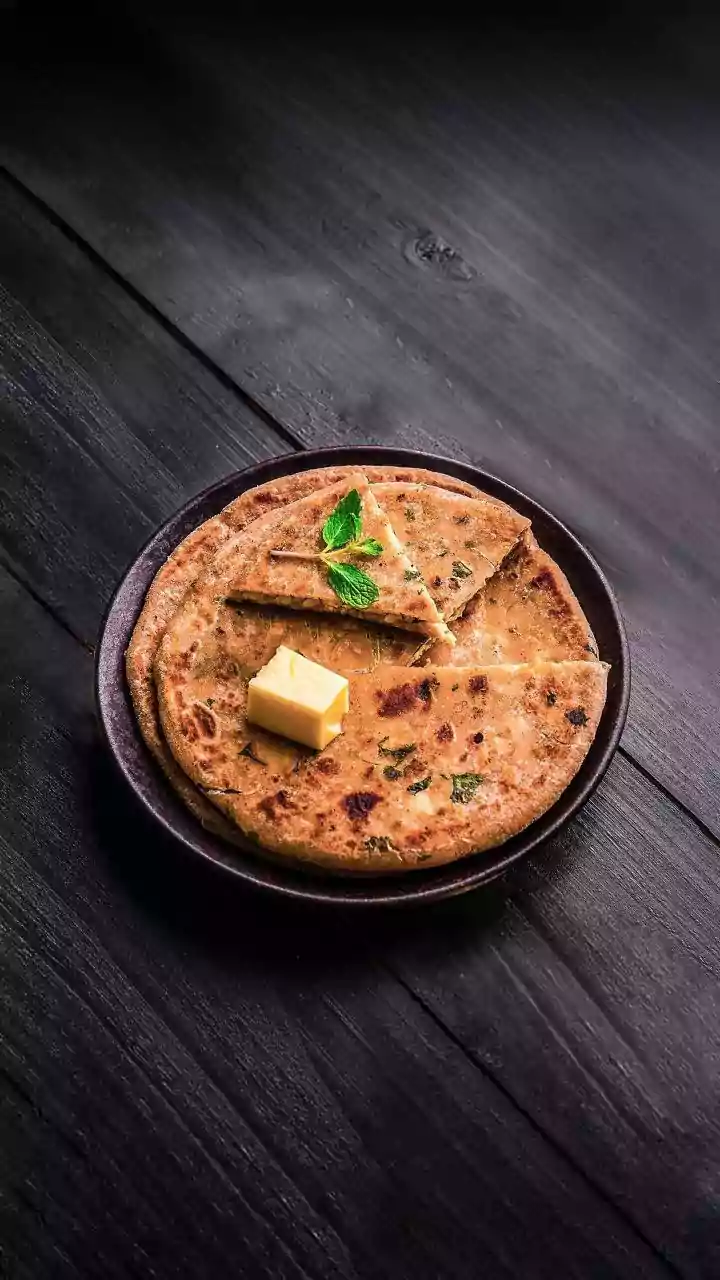

Imagine a flatbread so soft and delicate it practically melts in your mouth. That's the magic of Reshmi Paratha. Named for its 'silky' texture, this beloved Indian bread is a comforting addition to any meal, and surprisingly simple to make at home.
What Makes a Paratha 'Reshmi'?
The
word 'Reshmi' translates to 'silky' in Hindi, and it perfectly describes the texture of this unique flatbread. Unlike a standard roti or a crispy Lachha Paratha, the Reshmi Paratha is prized for its exceptional softness. This texture is often achieved through a combination of specific ingredients and techniques. While some recipes use cream or milk for richness, many achieve the signature softness by incorporating boiled and mashed potatoes directly into the dough. This not only adds a subtle flavour but also makes the dough incredibly pliable and the finished paratha tender and light. The key is to create a dough that is soft and smooth, which will be rolled very thinly to create a bread that is as delicate as its name suggests.
Gathering Your Ingredients
This recipe relies on simple, readily available ingredients to create its signature texture. You will need both all-purpose flour (maida) and whole wheat flour (atta), which gives a perfect balance of softness and flavour. The star ingredient for achieving that silky feel is boiled potatoes, which should be mashed or grated until completely smooth with no lumps. For flavour, gather cumin seeds, chilli flakes, fresh coriander, and salt. Finally, you will need oil for kneading the dough and ghee or oil for pan-frying the parathas to golden-brown perfection. It's important to note that this dough comes together without any water; the moisture from the boiled potatoes is all you need.
Step-by-Step: Preparing the Silky Dough
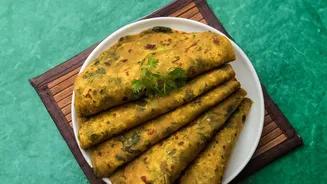
Start by boiling two or three medium-sized potatoes until they are very tender. Once cooled, peel and grate them finely into a large mixing bowl, ensuring there are no lumps. To the potatoes, add your dry ingredients: one cup of all-purpose flour, one cup of whole wheat flour, a teaspoon of salt, a teaspoon of cumin seeds, and a teaspoon of chilli flakes. Also add a handful of finely chopped fresh coriander. Begin mixing everything together with your hands. The moisture from the potatoes will start to bring the flours together. Knead for 5-7 minutes, adding a tablespoon of oil halfway through to prevent sticking and make the dough smooth. Do not add water. Once you have a soft, pliable dough, cover it and let it rest for at least 30 minutes. This resting period is crucial as it relaxes the gluten, making the parathas softer and easier to roll.
Rolling and Shaping Your Parathas
After the dough has rested, knead it lightly for another minute. Divide it into equal_sized small balls, slightly smaller than you would for a regular chapati. Keep the dough balls covered to prevent them from drying out. Lightly flour your work surface and take one ball of dough. Roll it out as thinly as you possibly can, just like a Rumali Roti. The thinner you roll, the softer the final paratha will be. Some traditional methods involve creating layers by brushing the rolled circle with ghee, sprinkling it with flour, and then folding it into a log and coiling it before rolling again. However, for this specific potato_based Reshmi Paratha, the focus is on rolling it extremely thin to achieve that silky, melt_in_the_mouth quality.
Cooking to Golden Perfection
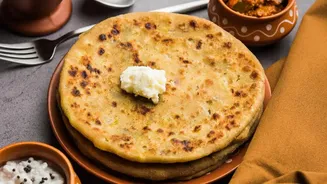
Heat a tawa or a nonstick skillet over medium heat. It's important the tawa is properly heated before you place the paratha on it; a cold pan can make the bread tough. Carefully place the thinly rolled paratha onto the hot tawa. Let it cook for about 30–45 seconds until you see small bubbles appear, then flip it. Drizzle a little ghee or oil on the surface and spread it evenly. Flip again and apply ghee to the other side. Gently press the paratha with a spatula, especially around the edges, to ensure it cooks evenly and puffs up. Cook until both sides have golden–brown spots. Avoid overcooking, as this can make the paratha crispy rather than soft. Repeat the process for the remaining dough balls, stacking the cooked parathas to keep them warm and soft.
Serving and Storing Suggestions
Reshmi Parathas are incredibly versatile and can be enjoyed for breakfast, lunch, or dinner. They are delicious on their own, perhaps with a hot cup of chai. Their soft texture makes them perfect for scooping up curries and dals. Serve them alongside a creamy vegetable korma, a simple dal fry, or a tangy paneer bhurji. They also pair wonderfully with cooling accompaniments like plain yogurt (dahi), a fresh raita, or your favourite pickle (achaar). These parathas are best served immediately while hot and soft. If you have leftovers, you can store them in a covered container or a roti box for a day; they will remain surprisingly soft, making them a great option for a tiffin or lunchbox.