


What Exactly Are Dark Stores?
Think of a dark store as a mini-warehouse, not a retail shop. These compact facilities, typically between 2,500 and 5,000 square feet, are closed to the public and exist for one reason: to fulfil online orders at incredible speed. Unlike massive warehouses
located on a city's outskirts, dark stores are strategically placed within dense residential neighbourhoods. Inside, there are no shopping aisles or fancy displays. Instead, layouts are optimised for pickers and packers who quickly assemble orders for a fleet of waiting delivery partners. This model is the engine of quick commerce (q-commerce), enabling platforms like Blinkit, Zepto, Swiggy Instamart, and Flipkart Minutes to meet those ultra-fast delivery promises that have reshaped urban consumer habits.
The Strategic Rush into Tier 2 India
After saturating the major metros, the next frontier for q-commerce giants is India's Tier 2 cities—urban centres like Lucknow, Jaipur, Coimbatore, and Nagpur. By July 2026, India had over 5,600 dark stores spread across more than 400 cities, with a significant portion of new growth happening outside the top ten metros. The logic is compelling: these cities offer lower operational costs, especially for real estate, where leases can be 30-40% cheaper than in Mumbai or Bengaluru. More importantly, they represent a massive, largely untapped market of consumers with rising disposable incomes, growing smartphone penetration, and an increasing appetite for the convenience they see in metro cities. Companies are finding that while average order values might be slightly lower, the combination of reduced costs and a less competitive landscape makes for a promising business case.
A Hiring Boom for a New Workforce
The expansion of dark stores directly translates into a significant surge in local employment. Each new facility requires a dedicated team of pickers, packers, warehouse managers, and a vast network of last-mile delivery partners. Staffing firms report that hiring for temporary logistics and retail roles in Tier 2 and 3 cities is growing at a much faster rate—around 20-25% year-on-year—compared to 8-10% in metros. Roles for warehouse workers and delivery executives are seeing the highest demand. For many residents, these jobs represent a new, accessible entry point into the formal economy. While the work can be demanding, it provides steady income and opportunities for advancement into roles like logistical coordinators or team managers. Interestingly, companies have found that while they may need to invest more in initial training, employee retention is often higher in Tier 2 cities compared to the hyper-competitive metro job markets.
Reshaping Local Economies and Real Estate
The impact of this trend extends beyond direct hiring. The demand for thousands of small-format warehouses is creating a boom in the commercial real estate sector of these cities. Landlords with well-located properties are finding new, stable tenants in major q-commerce players. This influx also stimulates ancillary economic activity. The rise of a new salaried class and gig-worker economy injects more money into local businesses, from petrol pumps and vehicle repair shops to local eateries. Furthermore, the presence of efficient, modern logistics infrastructure makes these cities more attractive for other industries and direct-to-consumer (D2C) brands looking to expand their reach beyond the metros. The establishment of a dark store network signals that a city has the infrastructure to support modern digital retail.
Challenges and the Road Ahead
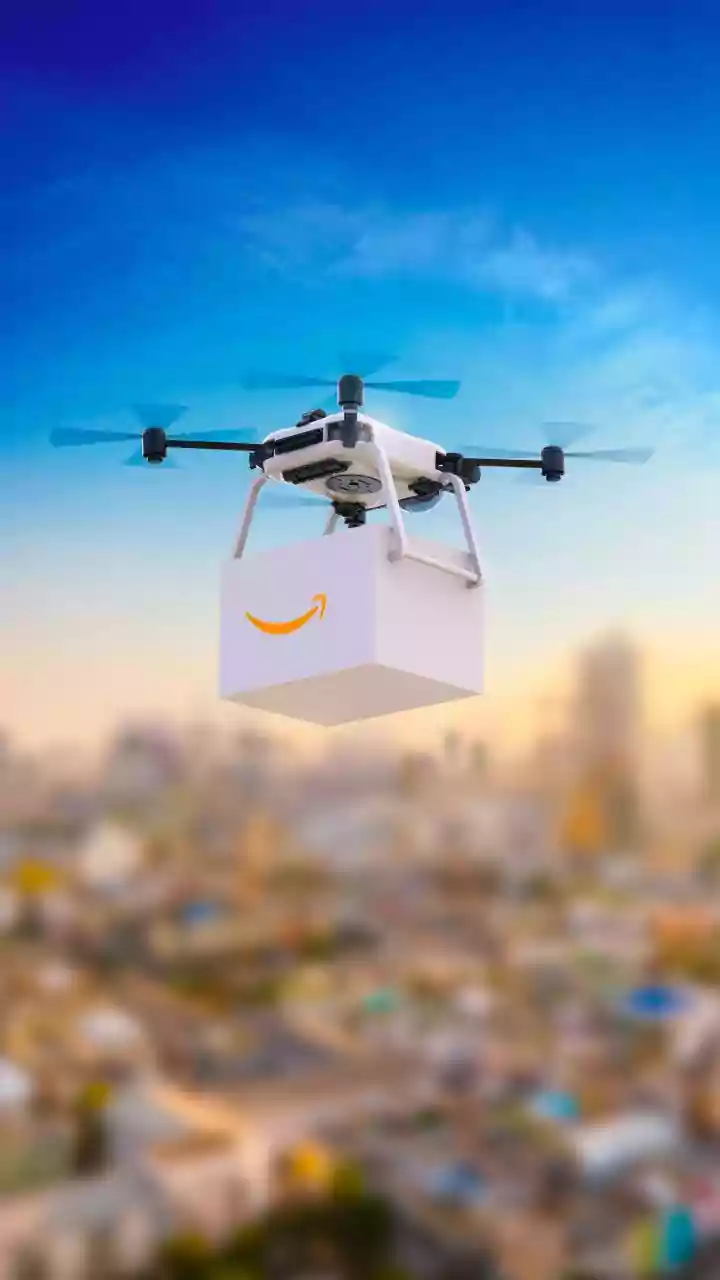
Despite the rapid growth, the path is not without its challenges. The long-term profitability of the quick commerce model is still under scrutiny, with companies burning significant cash to acquire customers and expand their footprint. The reliance on a gig-based model for delivery partners raises ongoing questions about worker benefits and protections, a governance gap that is becoming more prominent as the sector scales. Furthermore, as these services expand from just groceries to electronics, fashion, and medicines, the logistical complexity increases, requiring more sophisticated handling and delivery protocols. However, the trend shows no sign of slowing. With major players like Blinkit planning to operate thousands of stores by 2027 and giants like Flipkart and Amazon aggressively expanding their own networks, the dark store revolution is set to continue reshaping India's economic geography.