




The 15-Second Revival
The single biggest driver of this retro revival is the short-form video format popularised by Instagram Reels and YouTube Shorts. Algorithms on these platforms are designed to promote engagement, and nothing sparks an instant emotional connection quite
like a familiar tune. Snippets of classics like 'Pehla Nasha' or 'Kajra Re' are detached from their original film context and repurposed for everything from dance challenges to travel montages. This decontextualization is key; a new generation is discovering these songs not as soundtracks to old movies, but as powerful, self-contained emotional moments. A 15-second clip of a song with strong melodic hooks and heartfelt lyrics can go viral, racking up millions of views and introducing artists like Kishore Kumar and Lata Mangeshkar to listeners born decades after their peak.
The Magic of a Live Medley
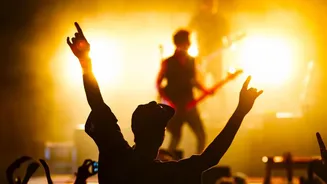
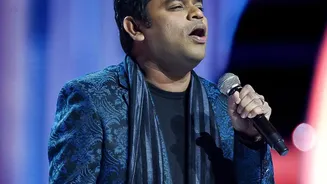
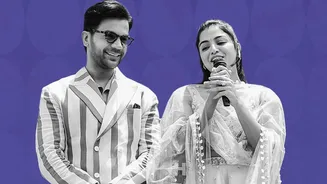
Parallel to the digital trend is a powerful offline movement in live music. At concerts across the country, both veteran and contemporary artists are discovering that retro medleys are a guaranteed way to electrify a crowd. Singers like Shaan, Salim-Sulaiman, and Arijit Singh often receive their biggest cheers when they perform beloved classics. For audiences, hearing these songs performed live offers an experience that a stream cannot replicate: a shared, communal moment of connection and nostalgia. It bridges generational gaps, with parents and children singing along to the same lyrics. This trend has also become a vital part of the music business, as live shows offer artists a significant source of revenue and a way to build a deeper connection with their fanbase.
A Hunger for Authenticity
Why is this happening now? For many younger listeners, or Gen Z, these older songs offer an antidote to the perceived overproduction and algorithmic coldness of some modern music. They find an emotional depth, lyrical poetry, and melodic richness in the classics that feels authentic and human. According to a Spotify research report, the highest growth in listenership for Hindi songs from the 1950s and 60s came from the 18-24 age group. This isn't just about nostalgia for a past they never experienced; it's a discovery of what they feel is missing in the present. They are drawn to the raw emotion in the vocals and the intricate instrumentation, which stands in contrast to auto-tuned voices and programmed beats.
From Passive Listening to Active Creation
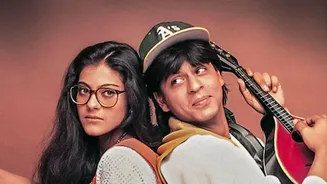
This revival is not a passive phenomenon. The new generation of listeners is actively participating in keeping this music alive. They are not just consuming these songs; they are becoming creators themselves. By using these audio clips in their own Reels and Shorts, they are re-interpreting the music and giving it new meaning. A romantic ballad from the 90s might become the soundtrack to a comedic sketch, while a melancholic ghazal could underscore a cinematic travel video. This participatory culture ensures that the songs don't just remain relics of the past but are constantly being integrated into the fabric of contemporary digital life. They become part of a new, evolving cultural conversation, shared and reshaped by millions.