







Embrace the Mission LiFE Philosophy
At the heart of India's environmental strategy is Mission LiFE (Lifestyle for Environment), a global call to action championed by Prime Minister Narendra Modi. The core idea is simple yet profound: move from a 'use-and-throw' economy to a circular economy where
we consciously 'use-and-reuse'. At home, this means making deliberate choices. Before buying something new, ask yourself if you truly need it. Can you repair an old item instead? Can you borrow or rent it? This mindset shift extends to everything from fashion to electronics. Opting for durable goods over single-use products and supporting brands that offer repair services are direct contributions to this national vision. It’s about being a 'pro-planet person' through mindful, everyday actions.
Master the Art of Waste Segregation
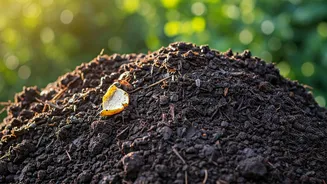
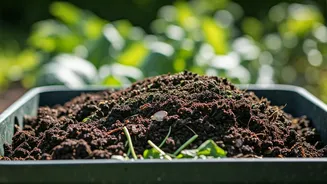
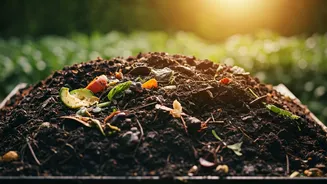
The Swachh Bharat Mission transformed public cleanliness, but its next phase hinges on what happens inside our kitchens and dustbins. Effective waste management is impossible without source segregation. By separating your waste into three categories—wet (kitchen waste like peels, leftover food), dry (plastic, paper, glass, metal), and hazardous (batteries, old medicines, paint cans)—you empower the entire recycling chain. Wet waste can be composted at home or in community bins, creating nutrient-rich soil. Dry waste can be properly recycled, reducing the strain on our overflowing landfills and saving raw materials. It’s a small daily habit with a massive downstream impact, turning waste from a problem into a resource and directly supporting a cleaner India.
Become a Water Warrior
Water is a finite and increasingly stressed resource across India. While large-scale projects are crucial, domestic conservation is a non-negotiable part of the solution. The 'Jal Shakti Abhiyan: Catch the Rain' campaign emphasizes the need to conserve every drop. You can become a water warrior at home by fixing leaky taps immediately—a single dripping tap can waste thousands of litres a year. Install water-saving aerators on faucets and opt for shorter showers. When using a washing machine or dishwasher, ensure it’s a full load. Reusing water from washing vegetables to water your plants is another simple yet effective practice. These habits collectively reduce the burden on municipal water supplies and protect our groundwater levels.
Power Your Home Smartly
India has set an ambitious 'Panchamrit' goal of generating 500 GW from non-fossil fuel sources by 2030. You can support this transition by reducing your home's energy consumption. The easiest win is switching to LED lighting, which uses up to 80% less energy than traditional bulbs. When buying new appliances, always look for the Bureau of Energy Efficiency (BEE) star rating—the more stars, the more energy-efficient the product. Unplug chargers and electronics when not in use, as they consume 'phantom power' even on standby. Simple acts like using natural light during the day and setting your air conditioner to a moderate 24-25°C can significantly cut down your electricity bill and your carbon footprint.
Rethink Your Plate and Your Pantry
What we eat has a direct environmental impact. Supporting local farmers by buying seasonal fruits and vegetables reduces 'food miles'—the distance food travels from farm to plate—which in turn cuts down on transport emissions. Furthermore, reducing food waste is critical. Plan your meals, store food correctly, and get creative with leftovers. Approximately one-third of all food produced globally is wasted, and this waste contributes significantly to greenhouse gas emissions when it rots in landfills. A conscious pantry not only saves you money but also conserves the resources—water, energy, and land—that went into producing that food in the first place.