

What Exactly is Sattu?
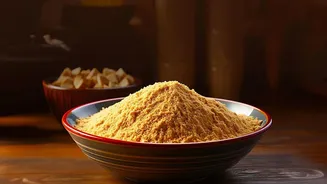
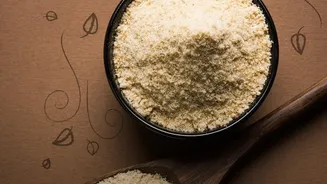
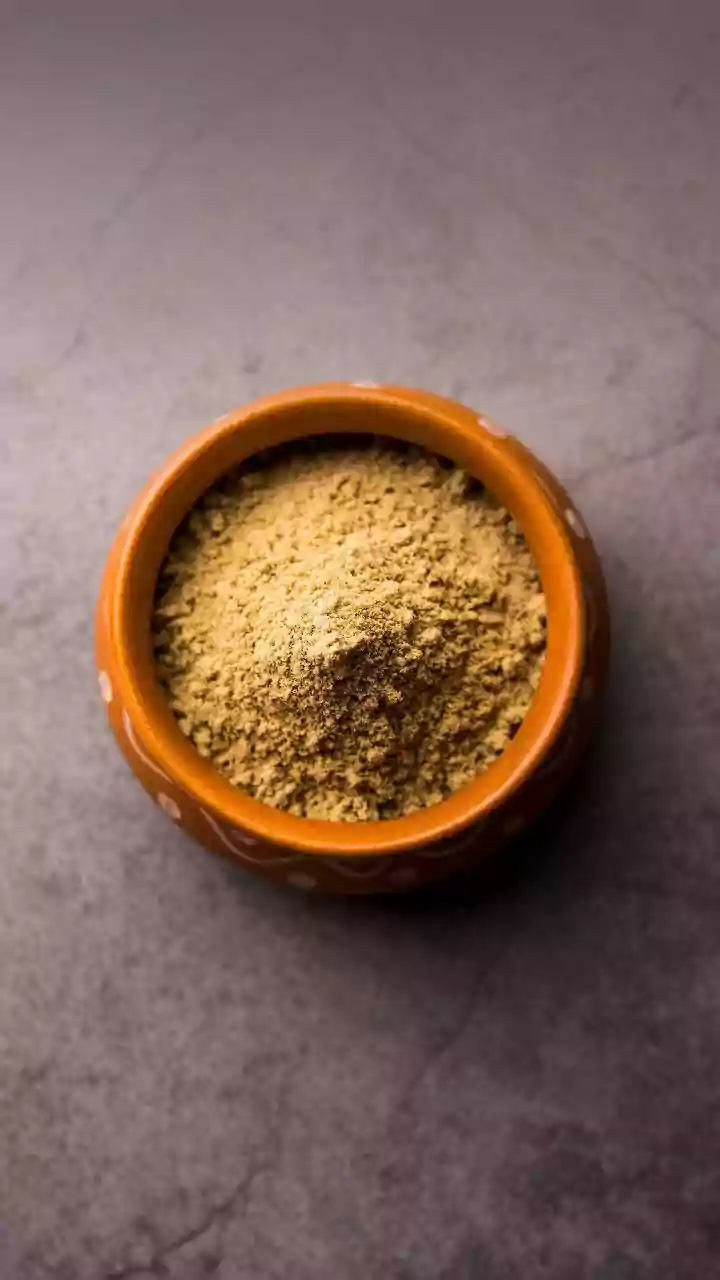
Often called the 'poor man's protein,' sattu is a flour made from roasted Bengal gram (chana). For centuries, it has been a staple food in regions like Bihar, Jharkhand, and Uttar Pradesh, prized for its impressive nutrient density and long shelf life.
The process of roasting the gram before grinding it gives sattu a unique, nutty flavour and makes it distinct from besan (gram flour), which is made from raw, un-roasted chickpeas. This simple preparation method means that sattu is a minimally processed whole food, retaining most of its natural goodness.
A True Protein Powerhouse
The primary reason sattu is gaining popularity among health-conscious individuals is its remarkable protein content. A 100-gram serving of chana sattu contains between 20 to 26 grams of plant-based protein, an amount comparable to many commercial protein supplements. This makes it an invaluable addition to vegetarian and vegan diets. Beyond protein, sattu is loaded with dietary fibre, which aids digestion and promotes a feeling of fullness. It's also a rich source of essential minerals like iron, magnesium, and calcium, which are crucial for energy production, bone health, and overall well-being.
Fast, Filling, and Incredibly Affordable
In a world of expensive superfoods and protein powders, sattu stands out for its affordability. It provides a significant amount of protein at a fraction of the cost of whey protein or other supplements, making it a sustainable choice for daily nutrition. Its convenience is another major advantage. The quickest way to prepare sattu is to simply mix it into a drink. A few tablespoons of sattu powder can be whisked into a glass of water or buttermilk with a pinch of black salt and a squeeze of lemon for a savoury sharbat that's ready in minutes. Because it’s high in fibre and complex carbohydrates, it provides sustained energy, keeping you full and active for hours.
How to Use Sattu in Your Breakfast
While a sattu drink is the most common way to enjoy it, its uses are incredibly versatile. You can easily incorporate it into your morning routine in several delicious ways: Sattu Sharbat (Sweet or Savoury): The classic preparation. For a sweet version, mix sattu with water or milk and jaggery or sugar. For a savoury twist, combine it with water, lemon juice, roasted cumin powder, and black salt. Sattu Smoothie: For a more substantial breakfast, blend sattu with a banana, a few dates, milk, and a handful of nuts for a thick, protein-packed smoothie. Sattu Parathas or Rotis: Add a few tablespoons of sattu to your regular whole wheat atta to boost the protein and fibre content of your parathas or rotis. This makes for a very filling and nutritious meal. Sattu Laddoos: Mix sattu with ghee and powdered jaggery to create energy-dense laddoos that serve as a quick, healthy snack.
More Than Just a Breakfast Food
The benefits of sattu extend beyond the breakfast table. It is well known for its natural cooling properties, making sattu sharbat a popular and effective drink for staying hydrated and beating the heat during India's scorching summers. Its low glycemic index also means it releases sugar into the bloodstream slowly, making it a great food for managing blood sugar levels and a suitable option for people with diabetes. Furthermore, its rich fibre content promotes good gut health by aiding digestion and preventing issues like constipation and bloating.