




The Inevitable Spin Quagmire
Visiting Sri Lanka for a Test series means one thing above all else: preparing for a trial by spin. The island nation has a rich history of producing world-class spinners who thrive on home pitches designed to turn and bounce. Historically, from Muttiah
Muralitharan to the mystery of Ajantha Mendis in 2008, spin has been the weapon that has undone many a visiting side. For India's batters, the challenge will be multi-faceted. It isn't just about survival; it's about finding ways to score and apply pressure back on the bowlers. Success will depend on sharp footwork—getting to the pitch of the ball or using the depth of the crease—a clear mind, and an effective game plan against the turning ball. Batters will need to sweep, use their feet, and rotate the strike relentlessly to avoid getting bogged down. Patience will be paramount, as Sri Lankan pitches often offer slow turn initially before becoming more treacherous as the match progresses.
Pacing the Pacers
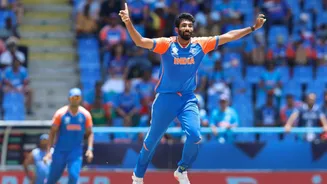
While spin dominates the narrative, the role of India's fast bowlers will be equally crucial, albeit in a different way. The humid conditions and abrasive nature of the pitches mean the Kookaburra ball often loses its shine and hardness quickly. Early swing might be available for a few overs, but the real test for pacers is what they can do when the ball goes soft. This is where reverse swing becomes a potent weapon. The art of scuffing up one side of the ball to generate movement in the air will be critical for breaking partnerships in the middle overs. Unfortunately, India will be without the services of Jasprit Bumrah, whose mastery of reverse swing would have been invaluable; he has been ruled out due to a knee problem. The onus will be on the rest of the pace attack to adapt, stay disciplined with their lines and lengths, and exploit any opportunity for reverse swing.
The Humidity and Heat Factor
Playing a five-day Test match in Sri Lanka's oppressive heat and humidity is a supreme test of physical and mental endurance. For players accustomed to varied climates, the constant sweating, energy sap, and risk of cramping can be debilitating. It affects everything from a batter's concentration during a long innings to a bowler's ability to maintain pace and intensity throughout the day. Team India's support staff will have their work cut out ensuring proper hydration, nutrition, and recovery protocols are in place. This isn't just about fitness on the field; it's a 24/7 battle to manage energy levels. India's superior fitness has been a hallmark of their success in recent years, and it will be tested to its limits. Winning sessions late in the day, when bodies are tired and minds are fatigued, could be the difference in a close-fought series.
Blunting the New Ball
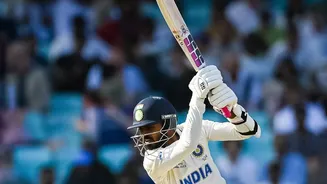
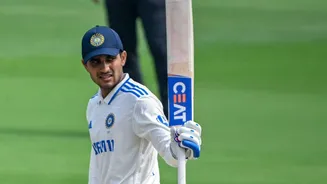
A good start is half the battle, and nowhere is that truer than in Sri Lanka. The opening batters have the toughest job: seeing off the new ball when the pacers are fresh and there's some assistance, and then setting a platform before the spinners come into their own. A solid opening partnership does more than just put runs on the board; it shields the middle order from the new ball and allows them to come in against a slightly older ball and more settled conditions. Under the captaincy of Shubman Gill, the top order's performance will be under the microscope. If the openers can consistently provide a stable foundation, it will go a long way towards nullifying Sri Lanka's primary strategy of unleashing their spinners on a fragile top order.
A History of Recent Dominance
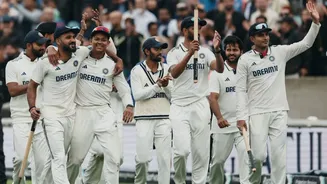
While the challenges are clear, India can draw immense confidence from their recent record in Sri Lanka. The team has been unbeaten in Tests on the island since 2015, winning all five matches played there. This includes a remarkable 2-1 series victory in 2015 after losing the first Test, and a thumping 3-0 whitewash in 2017 under Virat Kohli. This track record shows that while the conditions are tricky, they are not insurmountable for this Indian team. They have shown the skill, temperament, and tactical nous to succeed. Players like Ravindra Jadeja, who returns from injury for this tour, have enjoyed success here before and their experience will be vital. This history of success has shifted the dynamic, turning what was once a difficult frontier into a place where India now expects to win.