








The Promise and the Problem
Platforms like Blinkit, Zepto, and Swiggy Instamart have built empires on the promise of ultra-fast delivery. For consumers, the ability to summon milk, bread, or even electronics to your doorstep in 10 to 20 minutes is a game-changer. This convenience,
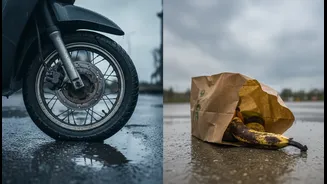
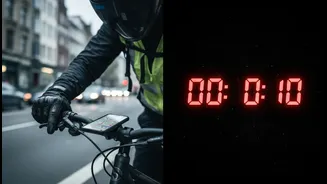
however, has ignited a fierce debate about the human cost. The core of the issue is the immense pressure placed on delivery riders to meet these demanding timelines. To make deadlines, many feel forced to speed, weave through congested traffic, and break road rules, turning India's already challenging roads into high-risk workplaces. Stories of accidents, injuries, and even fatalities involving delivery partners have become tragically common, sparking outcry from worker unions and the public.
A Shift in Strategy
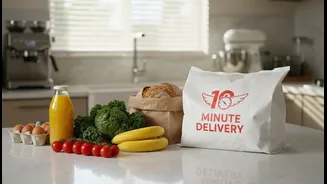
The concerns have not gone unnoticed. Following nationwide strikes by gig workers and rising public pressure, the Indian government stepped in. In early 2026, the Labour Ministry urged quick-commerce companies to stop marketing the "10-minute delivery" promise. As a result, major platforms like Blinkit, Zepto, and Swiggy Instamart have removed the explicit 10-minute branding from their apps and advertising. While this is a significant step, experts and riders say the underlying pressure remains. The business model is still built on speed, and the algorithmic management systems that assign orders and track delivery times continue to incentivize haste. Even without the tagline, the race against the clock often continues.
What Companies Are Doing
In response to the safety concerns, some companies are launching initiatives aimed at improving conditions for their delivery partners. Zomato, for instance, has rolled out a multi-city road safety program that includes mandatory professional training on responsible driving, navigating traffic, and emergency first-aid. The company is also distributing thousands of BIS-certified helmets and has integrated a 24/7 SOS feature into its partner app for emergency support. Similarly, Amazon India has initiated training for its delivery associates on safe driving practices. While these are positive developments, the fundamental tension between delivery speed and rider safety remains a core challenge for the industry.
How You Can Help as a Customer
As a consumer, your choices and attitude can make a tangible difference. The demand for instant service is what fuels the system, but a more conscious approach can promote a safer environment. Many customers have already expressed that they're happy to wait longer for the sake of rider safety. Here are a few simple ways you can contribute: Choose Slower Delivery Options: If an app offers a slightly longer delivery window (e.g., 30 minutes instead of 15), consider choosing it. This signals to the platform that speed isn't your only priority. Don’t Penalize for Delays: Avoid giving a low rating or making angry calls for a delay of a few minutes. Traffic, weather, and packed elevators are often beyond a rider's control. Be Ready for Your Delivery: Have your payment method ready and be prepared to receive your order promptly. This minimizes the time the rider has to wait at your location. Provide Clear Instructions: Ensure your address is accurate and add any helpful landmarks or instructions to prevent the rider from getting lost and losing precious time. * Tip if You Can: While not a substitute for fair wages, a tip can help supplement a rider's income, which is often based on completing a high volume of orders.