





Understanding High-Impact vs. Low-Impact
In the world of fitness, 'impact' refers to the force exerted on your body, particularly your joints, during an activity. High-impact exercises are those where both of your feet leave the ground at the same time, such as running, burpees, and jumping
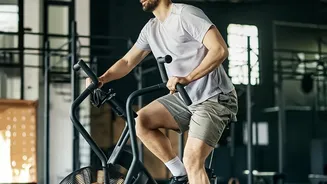
jacks. When you land, your joints—especially in the ankles, knees, and hips—absorb a significant amount of force. While these moves can be great for building bone density and cardiovascular fitness, they can also lead to pain, inflammation, or even injury for those with sensitive joints, arthritis, or previous injuries. Low-impact exercise, on the other hand, keeps at least one foot on the ground at all times. Think of brisk walking, cycling, or using an elliptical machine. These activities reduce the jarring force transmitted through your skeletal system, allowing for a great workout without the excessive strain.
The Myth of 'No Pain, No Gain'
For years, a common fitness mantra was that a workout wasn't working unless it hurt. This idea has thankfully fallen out of favour as our understanding of exercise science has evolved. Joint pain during a workout is not a sign of progress; it's a warning signal from your body that something is wrong. Pushing through this pain can lead to cartilage damage and long-term issues. The truth is, you can achieve fantastic cardiovascular benefits without high-impact stress. Low-impact workouts are highly effective at strengthening your heart, improving circulation, lowering blood pressure, and managing weight. They allow you to elevate your heart rate into the ideal training zone and sustain it for longer periods, which is key for building endurance. Because they carry a lower risk of injury, they are also more sustainable, helping you build a consistent routine for long-term health.
Smart Swaps for Common High-Impact Moves
Protecting your joints doesn't mean your workouts have to be boring or less intense. It's about working smarter, not just harder. By modifying common high-impact exercises, you can maintain intensity while minimizing risk. For example, instead of traditional jumping jacks, try step-out jacks where you step one foot to the side at a time while your arms perform the same motion. You can swap explosive jump squats for regular bodyweight squats, focusing on controlled movement and even rising onto your toes at the top to engage your calves. Instead of a full-impact burpee, step your feet back into the plank position one at a time and remove the jump at the end. Even high knees can be modified by marching in place, lifting your knees high with purpose but without the jarring impact of running them out. These small changes significantly reduce joint stress while still keeping your heart rate elevated and muscles engaged.
Exercises That Champion Joint Health
Beyond modifying high-impact moves, there are numerous activities that are naturally joint-friendly. Swimming and water aerobics are top-tier choices, as the water's buoyancy supports your body weight, removing almost all impact from your joints while providing natural resistance. Cycling, whether on a stationary bike or outdoors, strengthens the major muscles in your legs without the pounding of running. Elliptical trainers are specifically designed to mimic the motion of running without the associated impact. Rowing provides a fantastic full-body workout that engages your legs, core, and upper body from a seated, supported position. Even a simple, brisk walk is one of the most effective and accessible low-impact cardio exercises you can do. The key is to find activities you enjoy, as consistency is more important for long-term health than raw intensity.
Listen to Your Body Above All Else
While skipping heavy jumps is a powerful strategy for protecting joints, the most important rule is to listen to your body. No single piece of advice applies to everyone 'always'. What feels good for one person might not for another. Pay attention to how your joints feel during and after a workout. A feeling of muscle fatigue is normal, but sharp, stabbing, or lingering joint pain is not. If a movement causes discomfort, it's best to stop and find an alternative. Embracing low-impact modifications isn't a sign of weakness; it's a sign of a smart, sustainable approach to fitness that will allow you to stay active, healthy, and pain-free for years to come. By choosing exercises that respect your body's limits, you invest in your long-term mobility and well-being.