






What the New Science Says
Recent large-scale reviews of dietary patterns are providing a clearer picture of how plant-centric eating affects our health. A 2026 systematic review and meta-analysis, which synthesised data from numerous studies involving hundreds of thousands of adults,
found that greater adherence to plant-based diets was associated with a lower risk of hypertension. The findings also pointed towards potential protective effects against type 2 diabetes and high cholesterol. This aligns with a body of evidence suggesting that shifting towards plant protein sources can reduce mortality and lower the risk of cardiovascular disease. The key takeaway from these comprehensive analyses is that the benefits are tied to the overall dietary pattern, not just a single ingredient. It’s less about excluding all animal products and more about including a variety of whole plant foods.
The "Optimism": Key Health Benefits
The optimistic view is well-supported by evidence. Diets prioritising plant protein are linked with a host of positive outcomes. For one, they often lead to improved heart health. Replacing animal proteins, particularly red and processed meats, with plant sources like nuts and legumes can lower the risk of cardiovascular disease. This is partly because plant foods are naturally free of cholesterol and low in saturated fat, while also being rich in fibre, which helps manage cholesterol and blood pressure. Beyond the heart, these dietary patterns are associated with better weight management and a lower risk of certain chronic diseases. The high fibre content promotes fullness, aiding in weight control, while the abundance of vitamins, minerals, and antioxidants helps combat inflammation and support overall metabolic health.
The "Caution": Why Planning Is Crucial
This is where the "cautious" part of "cautious optimism" comes in. Switching to plant protein isn't automatically healthy if you're just swapping a chicken curry for a packet of ultra-processed vegan nuggets. The benefits are strongly linked to whole or minimally processed foods. Furthermore, a poorly planned plant-based diet can lead to nutritional gaps. While it's a myth that plants lack essential amino acids, it's true that most plant proteins are 'incomplete,' meaning they are low in one or more of them. This is easily overcome by eating a variety of sources throughout the day. For instance, the traditional Indian meal of dal (legumes) with rice (grains) creates a complete protein profile. Attention must also be paid to nutrients like Vitamin B12, which is not found in plants, as well as iron and calcium, which may be less bioavailable from plant sources.
Building a Better Plant-Protein Plate in India
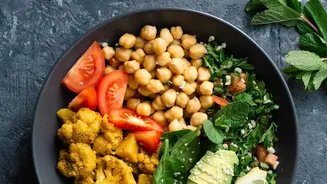
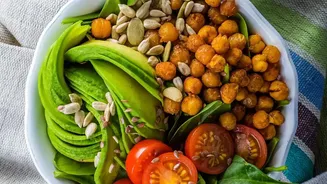
For those in India, embracing plant-protein patterns is intuitive, as Indian cuisine is rich with vegetarian traditions and ingredients. The key is to be intentional. Focus on incorporating a diverse range of protein sources into your daily meals. This includes staples like lentils (dal), chickpeas (chana), and kidney beans (rajma). Don't forget about other powerful sources like soy chunks, tofu, and paneer, which are excellent for curries and stir-fries. Nuts and seeds such as almonds, walnuts, and sesame seeds are not only great for snacking but also add a protein and healthy fat boost to any dish. Millets and whole grains like quinoa and buckwheat are also valuable additions. Sprouting legumes like moong can increase their nutritional value and make them easier to digest. The goal is variety, ensuring you get a wide spectrum of nutrients with every meal.