






An Epic Unseen Journey
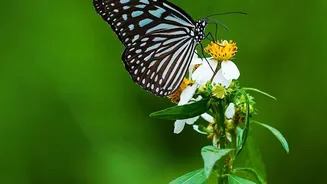
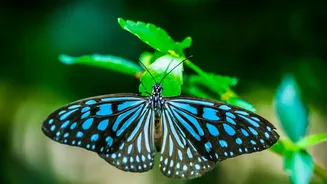
Each autumn, coinciding with the end of the monsoon, a remarkable natural phenomenon occurs across India. Millions of butterflies, particularly milkweed butterflies like the Blue Tiger, Dark Blue Tiger, and Common Crow, embark on a mass migration. In southern
India, this often involves a westward journey from the plains and Eastern Ghats towards the relative sanctuary of the Western Ghats, a trip that can span hundreds of kilometres. This isn't a whimsical flight; it's a crucial survival strategy, driven by changes in weather, rainfall, and the availability of food plants. This mass movement, while less famous than the migration of North American monarchs, is a vital part of the subcontinent's ecological rhythm. The butterflies travel in vast numbers, creating a spectacle for those lucky enough to witness them passing through towns and cities along their route.
The Urban Obstacle Course
For a migrating butterfly, a modern city presents a formidable challenge. These urban landscapes are often 'grey deserts', vast expanses of concrete and asphalt that offer little to no food or shelter. Habitat fragmentation is a major threat; a park on one side of a city and a forest on the other are effectively islands if there is no safe way for wildlife to travel between them. Buildings can create confusing wind tunnels, artificial light can disorient navigating insects, and a lack of nectar-rich flowers means there is nowhere for these long-distance travellers to refuel. This urban sprawl breaks up natural habitats, turning a butterfly's essential journey into a perilous and often fatal flight. For a creature weighing less than a gram, every bit of energy counts, and the urban obstacle course can exhaust them long before they reach their destination.
Nature's Superhighways
This is where urban green corridors come in. Think of them as nature's superhighways, cutting through the concrete jungle. A green corridor is a network of connected green spaces that allows wildlife to move from one area to another. These aren't necessarily vast, uninterrupted parks. They can be a series of connected residential gardens, vegetated riverbanks, roadside plantings, or even abandoned railway lines that have been reclaimed by nature. The key principle is connectivity. By linking existing parks, gardens, and natural reserves, these corridors transform isolated green 'islands' into a functional ecological network, providing a living pathway for animals to travel, feed, and breed safely.
Fuelling the Flight
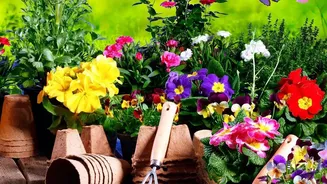
For migrating butterflies, these corridors are more than just a path; they are a series of essential service stations. The vegetation provides critical stopover points where they can rest and, most importantly, feed. Nectar is the high-energy fuel that powers their flight, and a corridor rich in native, nectar-producing flowers is a lifeline. Plants like Lantana, Ixora, Hibiscus, and Parijat are magnets for butterflies in India. By planting these in series along a corridor, cities can provide a reliable source of food that follows the butterflies along their migratory route. These corridors also offer shelter from harsh weather and predators, allowing the insects to conserve energy and increase their chances of completing the journey. It turns the city from a barrier into a supportive part of their habitat.
Building a Better Flyway
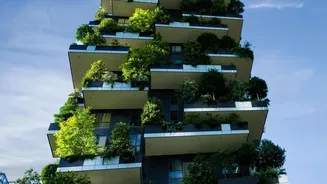
Creating effective green corridors is a collaborative effort. City planners can incorporate them into infrastructure projects, transforming utility corridors and drainage canals into living ecosystems. Communities and individuals also have a huge role to play. Planting native, butterfly-friendly species in home gardens, on balconies, and in community parks helps build the 'stepping stones' that form a larger corridor. A few well-chosen plants in a series of gardens can create a meaningful pathway. Supporting host plants—the specific plants caterpillars feed on, such as milkweed for Tiger butterflies—is also crucial for ensuring the next generation can begin the journey anew. By focusing on native biodiversity, we create resilient habitats that support not just butterflies, but a whole host of other pollinators like bees and birds, enhancing the overall health of the urban ecosystem.