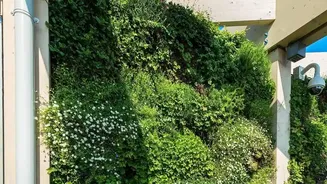


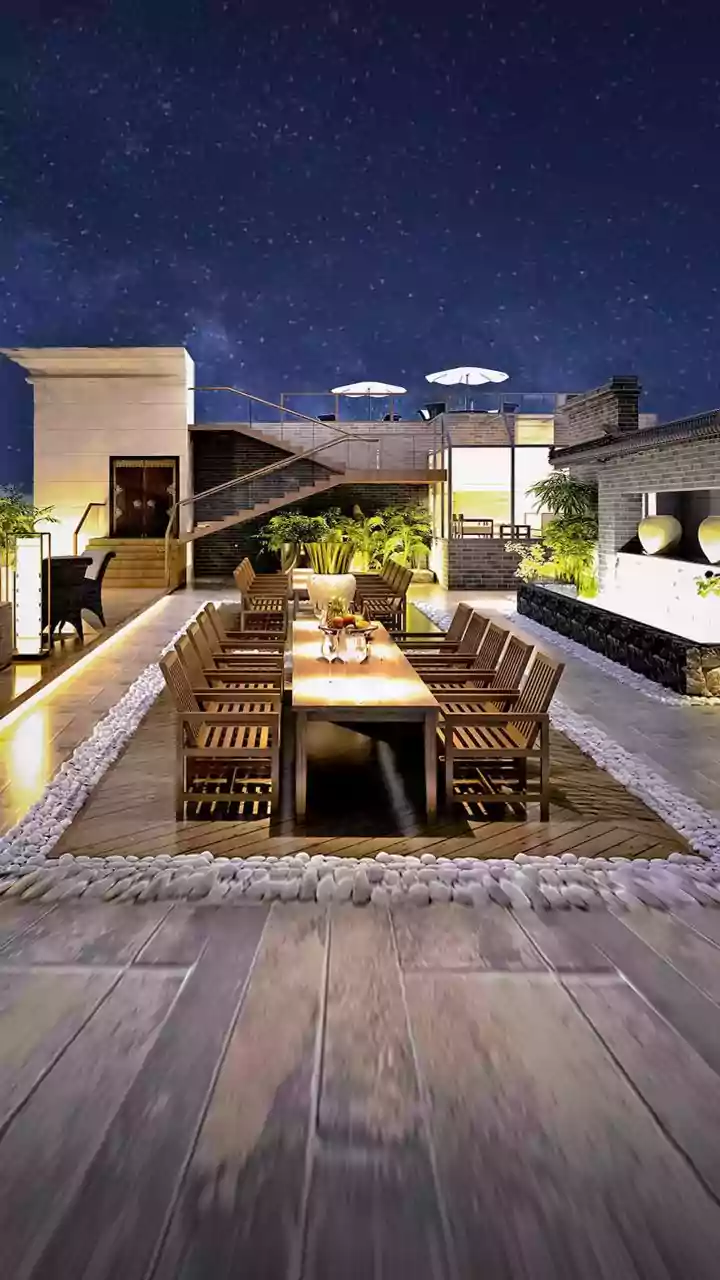


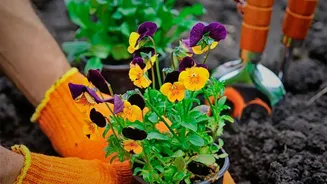

Matching Plants to Your Balcony
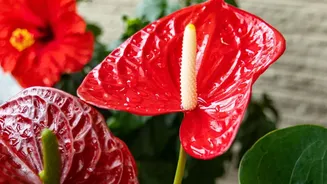
The foundation of a thriving balcony garden is choosing plants suited to your specific environment. Before you buy, consider your local climate and the conditions on your balcony. For sunny, hot balconies, hardy bloomers like Bougainvillea, Hibiscus,
and Marigolds are excellent choices that flourish in Indian heat. If you have a passion for fresh ingredients, herbs like Tulsi (Holy Basil), Mint (Pudina), and Curry Leaves grow exceptionally well in containers. For shadier spots, don't despair. Plants like the Snake Plant, ZZ Plant, and Money Plant (Pothos) are incredibly resilient and thrive with less direct sun, adding lush foliage without needing hours of direct light. Starting with low-maintenance plants helps build confidence and ensures your garden gets off to a healthy start.
Understanding Your Balcony's Light
Sunlight is the single most critical factor for plant growth, and not all balconies are created equal. The direction your balcony faces determines the amount and intensity of light it receives. A south-facing balcony typically gets the most intense, direct sun for over six hours, making it ideal for sun-loving vegetables and flowers like tomatoes, peppers, and roses. East or west-facing balconies receive about three to six hours of morning or afternoon sun, which is perfect for plants that enjoy partial shade, such as lettuce, spinach, and many herbs. North-facing balconies are the most shaded, getting less than three hours of direct light, but are still suitable for shade-tolerant plants like ferns, peace lilies, and spider plants. To understand your light, observe your balcony over a full day to see which areas get sun and for how long. This simple assessment will guide all your plant choices.
A Simple Guide to Watering
The most common mistake new gardeners make is overwatering. Instead of watering on a rigid schedule, the best approach is to check if your plants actually need it. The 'finger test' is a reliable method: push your finger about an inch or two into the soil. If the soil feels dry at that depth, it's time to water. If it's still moist, wait another day. When you do water, do so thoroughly until water runs out of the drainage holes at the bottom of the pot. This encourages deep root growth. Small pots and those in direct sun and wind will dry out much faster, sometimes needing water daily in hot weather, while larger pots in the shade can go longer. The best time to water is early in the morning, which allows the plant to absorb moisture before the heat of the day and lets foliage dry, reducing the risk of fungal diseases.
Essential Container and Soil Tips
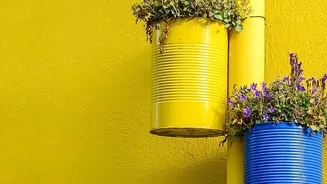
The right container can make a significant difference. Always choose pots with drainage holes to prevent water from pooling at the bottom, which can lead to root rot. While terracotta pots are attractive, they are heavy and dry out quickly. Lightweight plastic, resin, or fibreglass containers are often more practical for balconies, especially if weight is a concern. The size of the pot matters, too; a container that's too small will restrict a plant's growth. For soil, avoid using heavy garden soil from the ground, as it becomes too compacted in pots and drains poorly. Instead, use a quality potting mix, which is lighter and formulated to provide the right balance of drainage and water retention for container gardening.