





The Kitchen Habit We All Share
Aluminium foil is a staple in most kitchens. It’s convenient for wrapping sandwiches, covering casseroles, and storing leftovers. Its ability to protect food from light, oxygen, and moisture makes it seem like the perfect all-rounder for keeping food fresh.
This convenience, however, comes with a few caveats, particularly when it comes to certain types of food. While it seems like a simple sheet of metal, the way foil interacts with your leftovers is more complex than you might think, and it’s not always the best choice for storage.
The Science of Acidity and Aluminium
The main issue arises from a basic chemical reaction. Aluminium is a reactive metal, but it’s naturally protected by a thin, tough layer of aluminum oxide that forms when it's exposed to air. This layer prevents the metal from reacting with most things. However, highly acidic or salty foods can break down this protective barrier. When this happens, the acid can react directly with the aluminum underneath, causing tiny metallic particles to leach into your food. This process is accelerated by heat, but it also happens during cold storage.
Why Contact Time Matters
The headline's mention of "contact time" is crucial. The longer acidic food stays in direct contact with aluminium foil, the more opportunity there is for this chemical reaction to occur. Storing a tomato-based dish in the refrigerator for a few hours is less of a concern than leaving it wrapped in foil for several days. Over an extended period, the leaching process can become more significant, potentially altering the taste of your food by giving it a metallic flavour and increasing the amount of aluminium that migrates into the meal.
High-Risk Foods to Watch Out For
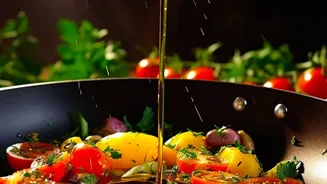
So, which foods are the main culprits? Anything with a high acid or salt content should not be stored in direct contact with foil for long periods. This includes tomato-based sauces, dishes with lemon or lime juice, and anything containing vinegar, like salad dressings or pickles. Even fruits like apples and rhubarb, or salty cured meats, can trigger this reaction. In an Indian kitchen, this applies to many common dishes, such as tamarind-based curries, yogurt marinades, and spicy gravies that often contain acidic ingredients.
The Real Health Question
The thought of metal leaching into your food can be alarming, but it's important to keep the risk in perspective. Our bodies are exposed to small amounts of aluminium daily from various sources, including water and many natural foods like tea and spinach. For healthy individuals, the vast majority of ingested aluminium is not absorbed and is simply excreted by the kidneys. While some studies have linked high aluminium exposure to health issues, occasional use of foil is unlikely to pose a significant risk for the average person. However, people with kidney disease may need to be more cautious as their bodies cannot remove excess aluminium effectively.
Smart and Safe Storage Solutions
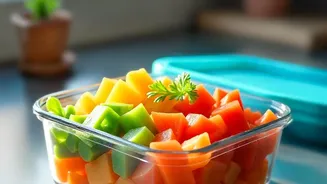
The takeaway is not to banish foil from your kitchen, but to use it wisely. For short-term covering where the foil doesn't touch the food, it's perfectly fine. But for long-term storage of acidic or salty leftovers, it's best to switch to non-reactive containers. Glass, ceramic, and food-grade stainless steel containers are excellent choices as they are inert and won't react with your food. If you must use foil to cover an acidic dish, you can create a barrier by placing a layer of parchment paper between the food and the foil.