



What Exactly Did Aditya-L1 Achieve?
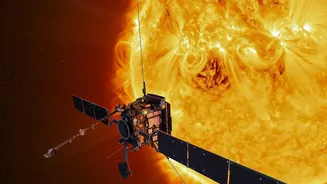
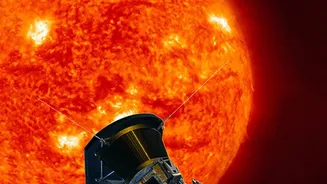
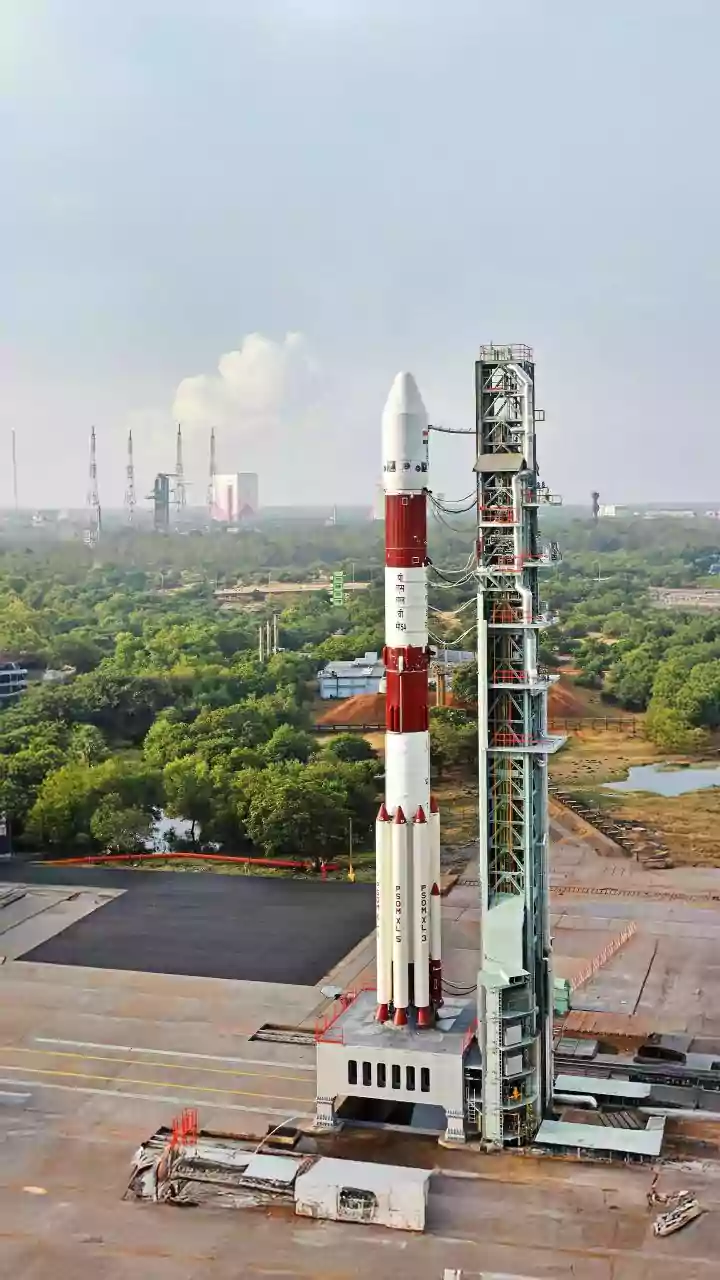
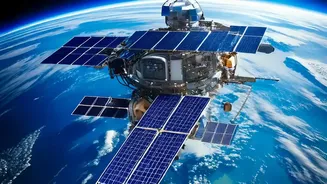
The Indian Space Research Organisation (ISRO) has confirmed that a key payload aboard the Aditya-L1 has successfully begun its scientific observations. The instrument, known as the Aditya Solar wind Particle EXperiment (ASPEX), is now accurately measuring
the velocity and characteristics of the solar wind. This isn't just a routine check; it's a fundamental validation that the mission's hardware is working perfectly in the harsh environment of space. The solar wind is a continuous stream of charged particles—mostly protons and alpha particles—that flows outward from the Sun, traveling across the solar system at speeds that can range from 300 to 800 kilometres per second. Capturing this data is a primary objective for the mission.
The Star Instrument: A Closer Look at ASPEX
The hero of this achievement is the ASPEX payload, which itself consists of two main components: the Solar Wind Ion Spectrometer (SWIS) and the SupraThermal and Energetic Particle Spectrometer (STEPS). SWIS is specifically designed to measure the ions in the solar wind, tracking their speed, density, and temperature. Its ability to distinguish between different particles, like protons and helium nuclei (alpha particles), is critical. The accurate functioning of ASPEX is a testament to the sophisticated engineering by Indian scientists. It demonstrates that the complex instrument, after its long journey, is perfectly calibrated to perform its scientific duties for the planned duration of its mission. This success builds on the mission's previous milestones, including the successful deployment of its magnetometer boom.
Why Measuring Solar Wind is Crucial
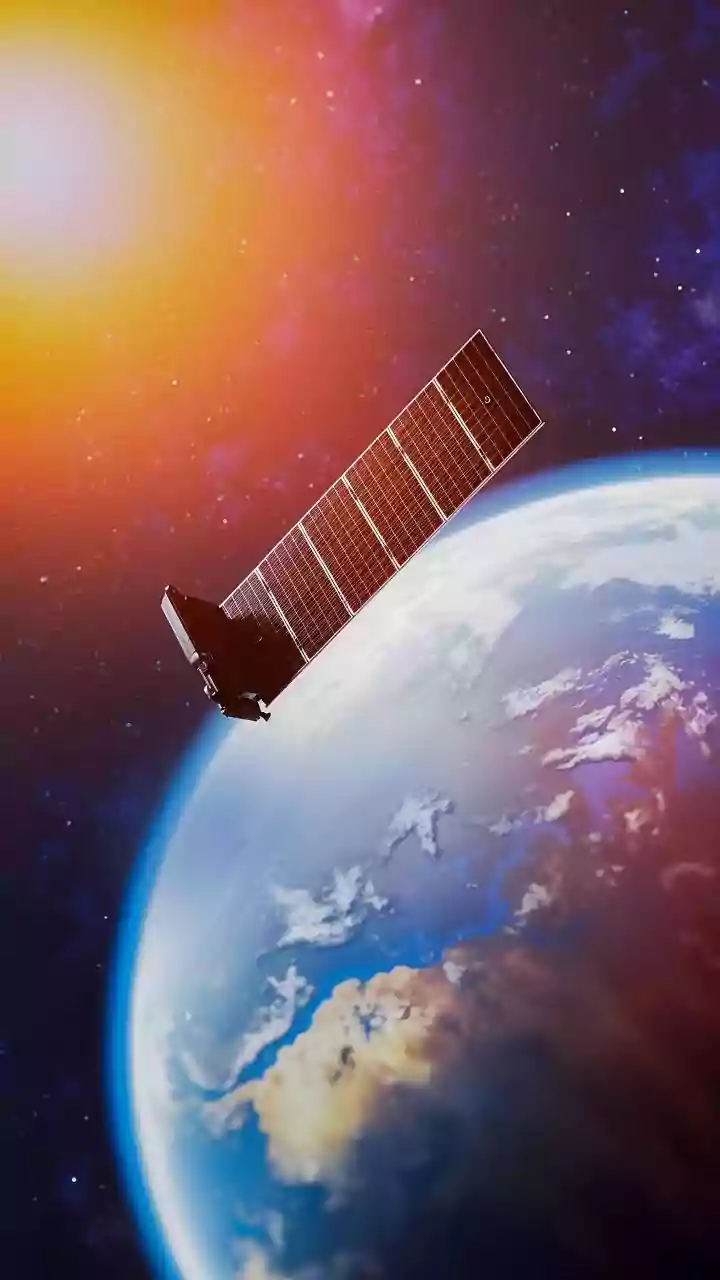
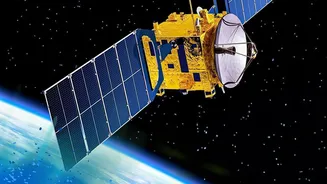
Understanding the solar wind is about much more than just cosmic curiosity; it's central to forecasting 'space weather'. Just like weather on Earth, space weather can have significant real-world consequences. Intense bursts of solar wind and related events like Coronal Mass Ejections (CMEs) can slam into Earth's magnetic field, triggering geomagnetic storms. These storms have the power to disrupt and damage our critical infrastructure. They can interfere with communication and navigation satellites, which our daily lives depend on for everything from GPS to television broadcasts and financial transactions. They also pose a radiation risk to astronauts in orbit and can even induce damaging electrical currents in power grids on the ground. By measuring the solar wind's speed and composition, Aditya-L1 provides an early warning system.
A Major Milestone for India in Space
This accomplishment firmly places India among a select group of nations with the capability to conduct advanced solar research from a strategic vantage point in space. The Aditya-L1 mission orbits the Sun-Earth Lagrange Point 1 (L1), about 1.5 million kilometres from Earth. This location provides an uninterrupted view of the Sun, free from the eclipses and magnetic interference of our planet. The data from ASPEX doesn't just benefit India; ISRO has made the data accessible to the global scientific community, positioning India as a key player in international solar research. This achievement follows the historic success of Chandrayaan-3, further cementing ISRO's reputation for executing complex, high-stakes space missions with remarkable efficiency.
What's Next for India's Sun Mission?
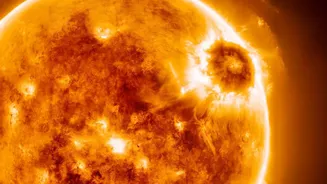
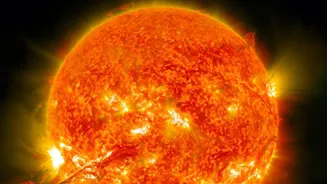
This successful data capture is just the beginning. With its instruments now proven operational, Aditya-L1 will continue its comprehensive study of the Sun. The mission's seven payloads will work in concert to observe the Sun's various layers, from the photosphere and chromosphere to the outermost corona. The overarching goal is to unravel some of the biggest mysteries of our star, such as why the corona is millions of degrees hotter than the surface below it—a phenomenon known as coronal heating. Over its multi-year mission, Aditya-L1 will provide a continuous stream of information, helping scientists build better models of the Sun's behaviour and improve our ability to predict space weather events with greater accuracy. The wealth of knowledge it is set to unveil will be crucial for protecting our increasingly technology-dependent civilization.