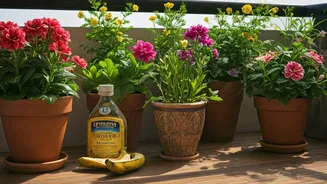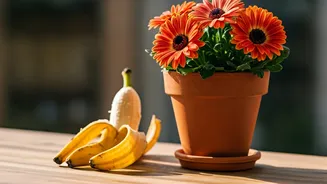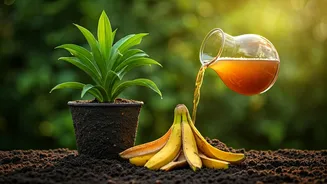





Why Banana Peels? The Kitchen Science
Before you start, let's understand what we're working with. Banana peels are famous in the gardening world for being rich in potassium (K), a crucial macronutrient for plants. Potassium plays a vital role in regulating a plant's water intake, strengthening
stems, and, most importantly for us, encouraging flowering and fruiting. Think of it as the nutrient that helps your plants shift their energy from growing leaves to producing beautiful blossoms and healthy fruit. Besides potassium, peels also contain smaller amounts of phosphorus, calcium, and magnesium. However, it’s important to manage expectations. A simple home-brewed spray is not a miracle cure or a replacement for a balanced fertilizer. The nutrients in a peel are not instantly available to the plant. Soaking them in water creates a very mild, slow-release 'tea' that acts as a gentle supplement. It's a wonderful, zero-waste way to give back to your plants, but it should be part of a broader plant care routine that includes good soil, proper sunlight, and adequate watering.
The Simple Soaking Method Recipe
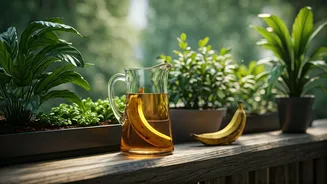
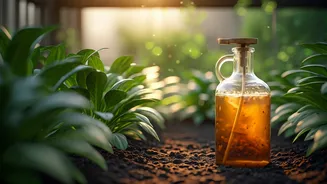
Making this 'liquid gold' is incredibly easy and requires no special equipment. There are a few ways to do it, but the simple soaking method is the cleanest and most straightforward for balcony gardeners. **What You'll Need:** - 2-3 fresh banana peels - A large glass jar with a lid (a 1-litre jar works well) - Water (preferably filtered or rainwater, but tap water left out overnight to dechlorinate is fine) **Instructions:** 1. **Chop the Peels:** Cut the banana peels into small, 1-inch pieces. This increases the surface area, allowing more nutrients to leach into the water. 2. **Add to Jar:** Place the chopped peels into your glass jar. 3. **Fill with Water:** Fill the jar with water, leaving about an inch of space at the top. Seal the jar tightly with the lid. 4. **Let it Steep:** Place the jar in a cool, dark place (like under your kitchen sink) and let it sit for 3 to 5 days. You might notice the water turning a brownish colour and some bubbling, which is normal. The smell should be slightly sweet or fermented, not foul. If it smells rotten, discard and start over. 5. **Strain the Liquid:** After a few days, strain the liquid into another container, separating it from the peel pieces. The peels can be added to your compost bin or buried deep in the soil of a larger pot.
How and When to Use Your Spray
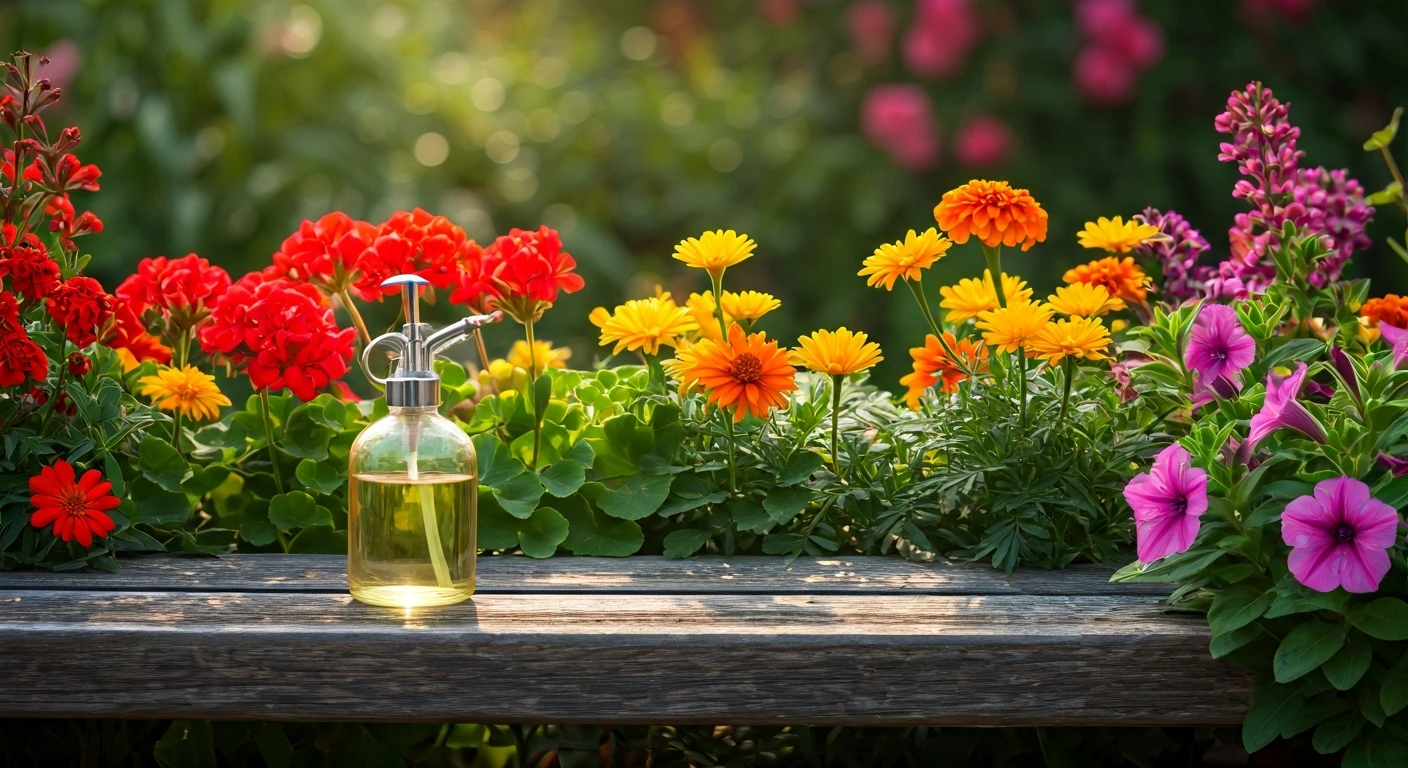
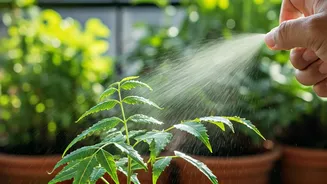
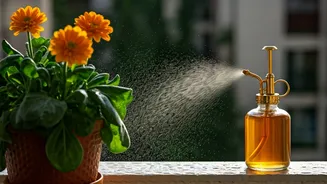
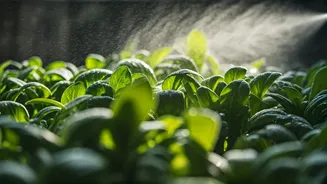
Now that you have your nutrient-rich liquid, it's time to feed your plants. For best results, dilute the potent brew before using it. **Dilution:** Mix one part of your banana peel liquid with four parts of plain water. For example, if you have one cup of the liquid, mix it with four cups of water. This dilution prevents any risk of overwhelming your plants and makes your supply last longer. **Application:** The best way to use this liquid is as a soil drench. Pour the diluted mixture directly onto the soil around the base of your plants, avoiding the leaves. While you can use it as a foliar spray, drenching the soil ensures the roots absorb the nutrients directly and reduces the risk of attracting pests or promoting fungal growth on wet leaves. **Frequency:** Use this tonic once every two weeks during the growing and flowering season. Avoid overdoing it. Like all good things, too much can be counterproductive. Observe your plants; they will tell you if they're happy.
Which Plants Love It Most?
This potassium-rich treat is particularly beneficial for flowering and fruiting plants that thrive in Indian urban gardens. While most plants will appreciate the gentle boost, focus on those that need extra encouragement to bloom. **Excellent candidates for banana peel tea include:** - **Roses:** Known for being heavy feeders, roses will appreciate the extra potassium for producing large, fragrant flowers. - **Hibiscus:** To keep those big, tropical blooms coming, a regular dose of potassium is key. - **Bougainvillea:** This spray can help encourage the vibrant bracts that these plants are famous for. - **Jasmine (Mogra/Chameli):** For more fragrant and abundant flowers. - **Fruiting Plants:** Balcony staples like tomatoes, chillies, and brinjal will use the potassium to develop healthier fruits after the flowering stage.