
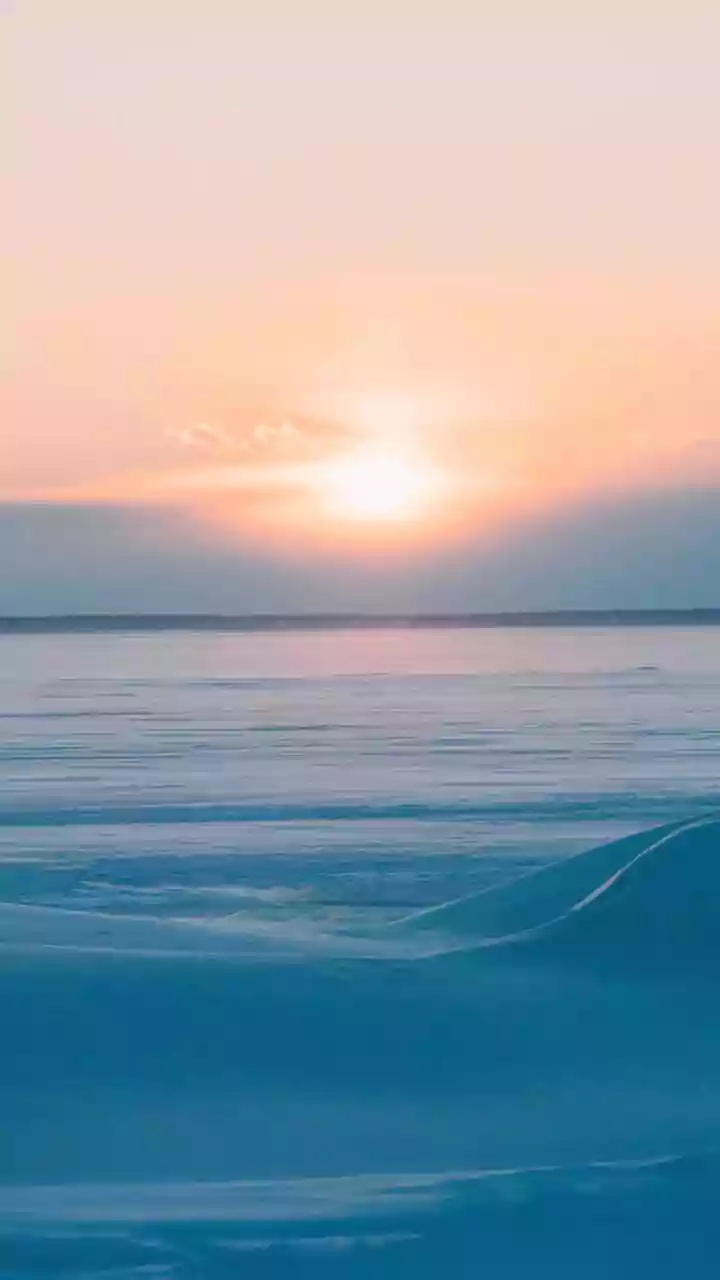
When winter blankets the landscape, some of the world's most beautiful lakes transform into otherworldly scenes of ice and snow. Far from being dormant, these frozen expanses offer a new kind of magic, inviting wonder, photography, and adventure.
Lake Baikal, Siberia
Known
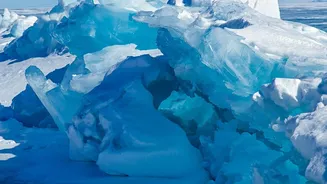
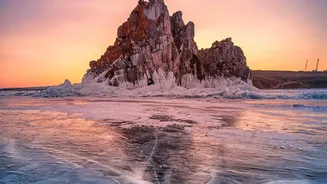
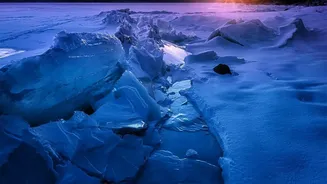
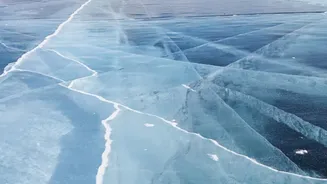
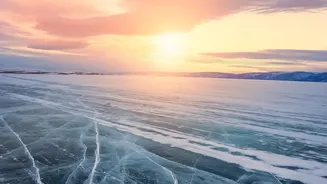
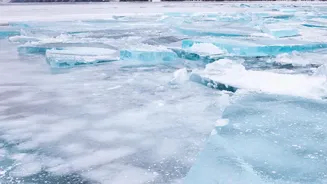
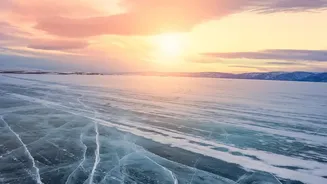
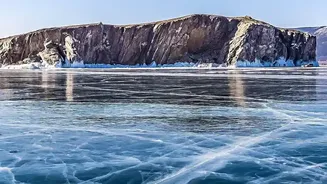
as the 'Pearl of Siberia', Lake Baikal is the world's oldest and deepest freshwater lake. In winter, it becomes a spectacle of nature. The water freezes into thick, transparent ice that is famously clear, allowing views up to 40 meters below the surface. One of its most captivating features is the turquoise ice hummocks, jagged shards of ice that glow blue when they catch the sunlight. Between February and March, the ice is at its peak, often thick enough for vehicles to drive across designated routes. Visitors can explore ice caves adorned with frozen stalactites, skate on the vast surface, and witness the unique phenomenon of 'Baikal Zen'—perfectly smooth, dark ice.
Abraham Lake, Canada
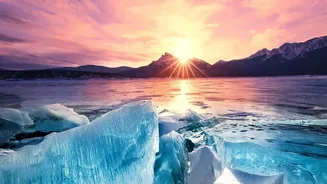
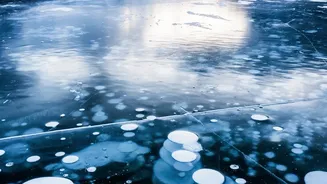
While man-made, Abraham Lake in Alberta offers one of winter's most magical natural phenomena: frozen methane bubbles. As organic matter on the lakebed decomposes, it releases methane gas. In winter, these rising bubbles are trapped in layers as the water freezes, creating stacks of white orbs suspended in the clear ice. The area is notoriously windy, which works in its favour by blowing snow off the surface and polishing the ice to a glass-like finish, making for perfect viewing conditions. The best time to witness this photographer's dream is typically from mid-January to early February, when the ice is thickest and clearest. Guided ice walks are the safest way to explore this surreal landscape.
Lake Louise, Canada
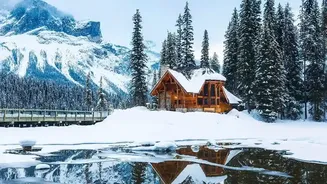
Nestled in Banff National Park, Lake Louise offers a quintessential Canadian winter scene. Surrounded by snow-covered peaks and the majestic Victoria Glacier, the lake transforms into one of the world's most scenic skating rinks. The ice is maintained daily by the Fairmont Chateau Lake Louise, ensuring a smooth surface for skaters of all levels. Adding to the fairy-tale atmosphere is a stunning ice castle sculpted on the lake each winter. Skating is free if you have your own skates, and rentals are readily available. The season typically runs from mid-December through March, offering a long window to experience the magic of gliding across this iconic frozen landscape.
Jökulsárlón, Iceland
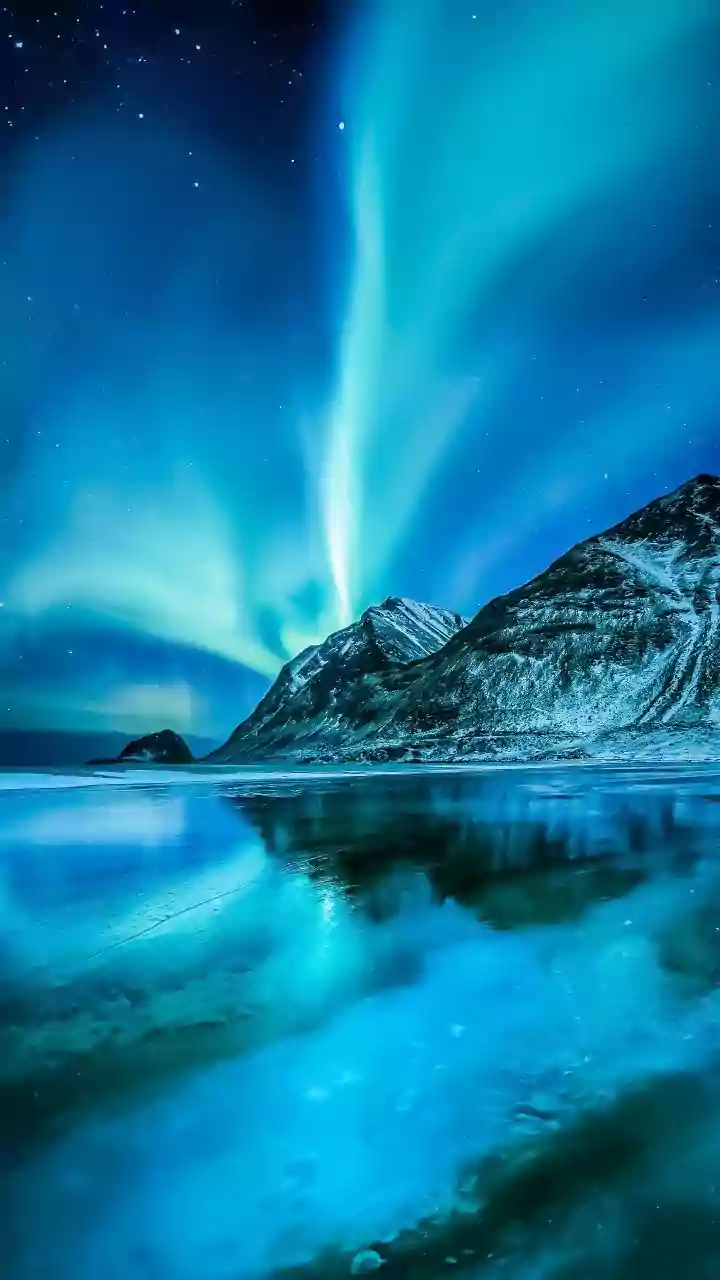
Jökulsárlón is not a typical frozen lake but a glacial lagoon, offering a different kind of icy spectacle. Located in southeastern Iceland, the lagoon is filled with enormous icebergs that break off the Breiðamerkurjökull glacier. These ice chunks, some streaked with ancient volcanic ash, float through the lagoon and out to sea. Many wash ashore on the nearby black volcanic sand, creating the famous 'Diamond Beach'. Here, the glittering ice fragments contrast starkly with the dark sand, offering surreal photo opportunities. While ice is present year-round, winter provides the chance to see this dramatic landscape under the glow of the Northern Lights.
Lake Bled, Slovenia
With its iconic island church, medieval clifftop castle, and backdrop of the Julian Alps, Lake Bled is a fairy tale in any season. In winter, a dusting of snow elevates its beauty to another level. While the lake rarely freezes completely—a full freeze only occurs about once a decade due to thermal springs—the edges often ice over, creating a serene, frosted scene. The quieter winter months are perfect for a peaceful 6-kilometer walk around the lake, enjoying the crisp air and dramatic views. The castle remains open, offering stunning panoramas of the snow-dusted landscape, and traditional pletna boats still ferry visitors to the island on calm days.
Lake Superior, USA & Canada
As the largest of North America's Great Lakes, Lake Superior's winter transformation is a powerful display of nature. In very cold winters, the lake freezes enough for visitors to access the Apostle Islands' mainland sea caves in Wisconsin. Waves and seeping water freeze into magnificent curtains and columns of ice, turning the sandstone caves into glittering palaces. However, access is rare and entirely dependent on stable, thick ice, which has only been possible on a handful of days in recent years. Always check with official sources like the National Park Service before even considering a visit to the ice caves.