






What is Space Weather?
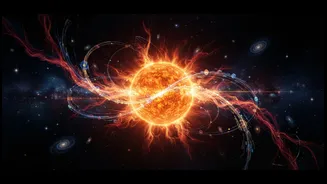
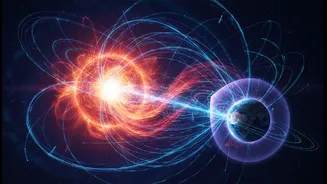
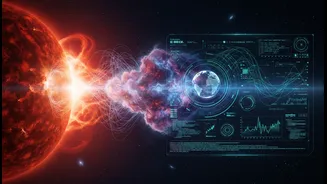
Space weather refers to the changing conditions in space, driven primarily by the Sun's activity. Unlike terrestrial weather, it’s not about rain or snow. Instead, it involves phenomena like solar flares (intense bursts of radiation), coronal mass ejections
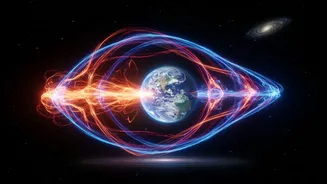
(CMEs) which are massive eruptions of plasma and magnetic fields, and the constant stream of charged particles known as the solar wind. These events send energy and particles hurtling through space, sometimes towards Earth. While our planet’s magnetic field shields us from the worst of it, strong solar storms can still have significant effects.
Why This Invisible Weather Matters
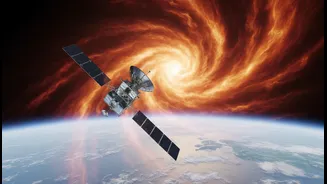
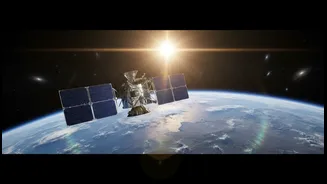
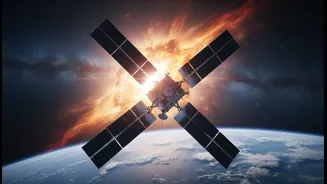
Our modern world is highly dependent on technology that is vulnerable to space weather. A major solar storm can damage satellites, disrupting GPS navigation, communications, and weather forecasting. On the ground, it can induce powerful electrical currents in power grids, potentially causing widespread blackouts. It also poses radiation risks to astronauts in space and even to passengers and crew on long-haul flights over polar routes. One study estimated that an extreme event could cause damages amounting to a trillion dollars in the US alone, highlighting the immense economic and societal need to predict and mitigate these impacts.
The Rise of the Space Weather Professional
As our reliance on space-based and interconnected technologies grows, so does the need for experts who can forecast these solar events. Governments and commercial industries alike are recognizing the importance of safeguarding critical infrastructure. This has created a demand for roles like space weather forecasters, analysts, space physicists, and systems engineers. These professionals work in national agencies like the US-based Space Weather Prediction Center (SWPC), military and aerospace organisations, and increasingly, in the commercial sector, helping industries from aviation to telecommunications prepare for solar activity.
What Does a Space Weather Career Look Like?
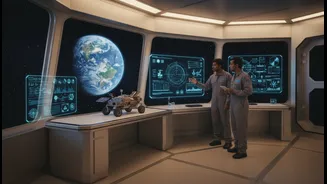
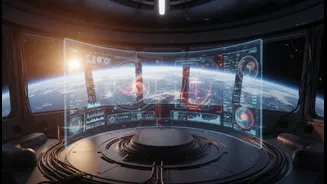
A career in space weather is a blend of science, data analysis, and systems thinking. Professionals in this field monitor the Sun using ground- and space-based instruments, analyse vast datasets, and run complex models to issue forecasts and alerts. The goal is to provide actionable information to satellite operators, power grid managers, airlines, and government agencies. It’s a job for those who enjoy solving complex problems and working with cutting-edge technology, including AI and machine learning, which are increasingly used to process large datasets and improve prediction accuracy.
Building Your Career Trajectory
For students in India, a strong foundation in physics, mathematics, and computer science is the perfect starting point. Developing programming skills in languages like Python or MATLAB is crucial, as data analysis is central to the field. Pursuing higher education, such as a Master’s or PhD in physics, atmospheric science, or a related engineering discipline, is often required. In India, institutes like the Indian Institute of Space Science and Technology (IIST) and the Indian Institute of Tropical Meteorology are deeply involved in space science research. The Indian Institute of Remote Sensing also offers relevant courses. Getting involved in research projects, even at the undergraduate level, can provide invaluable experience.
India's Solar Ambitions Create Opportunity
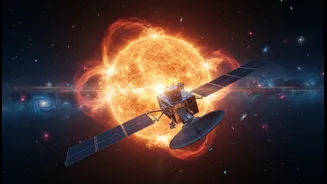
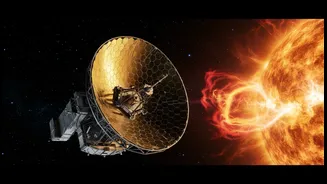
India is becoming a key player in space weather research. ISRO's Aditya-L1 mission, the country's first dedicated solar observatory, is positioned 1.5 million km from Earth to study the Sun continuously. A primary objective of the mission is to better understand solar dynamics and provide crucial data for space weather forecasting. This national focus not only advances global science but also creates a domestic ecosystem for research and jobs. Opportunities are emerging within ISRO, affiliated research institutions, and the growing private space sector, for students passionate about contributing to India's space journey.