


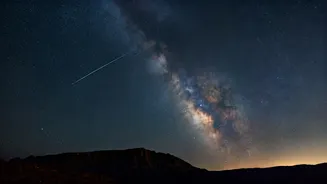
What's Causing Those Unnatural Streaks?
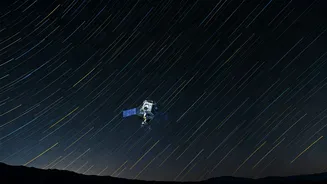
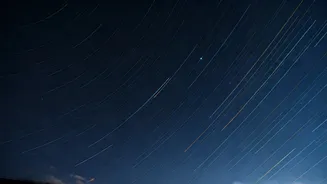
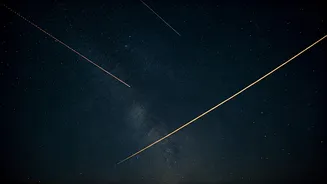
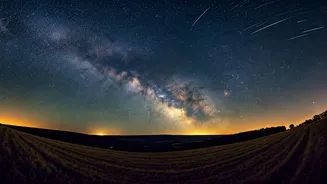
If you’re a keen photographer or even a casual stargazer, you may have noticed an increase in straight, bright lines zipping across your long-exposure photos or through your field of view. These aren't shooting stars. They are the trails left by satellites,
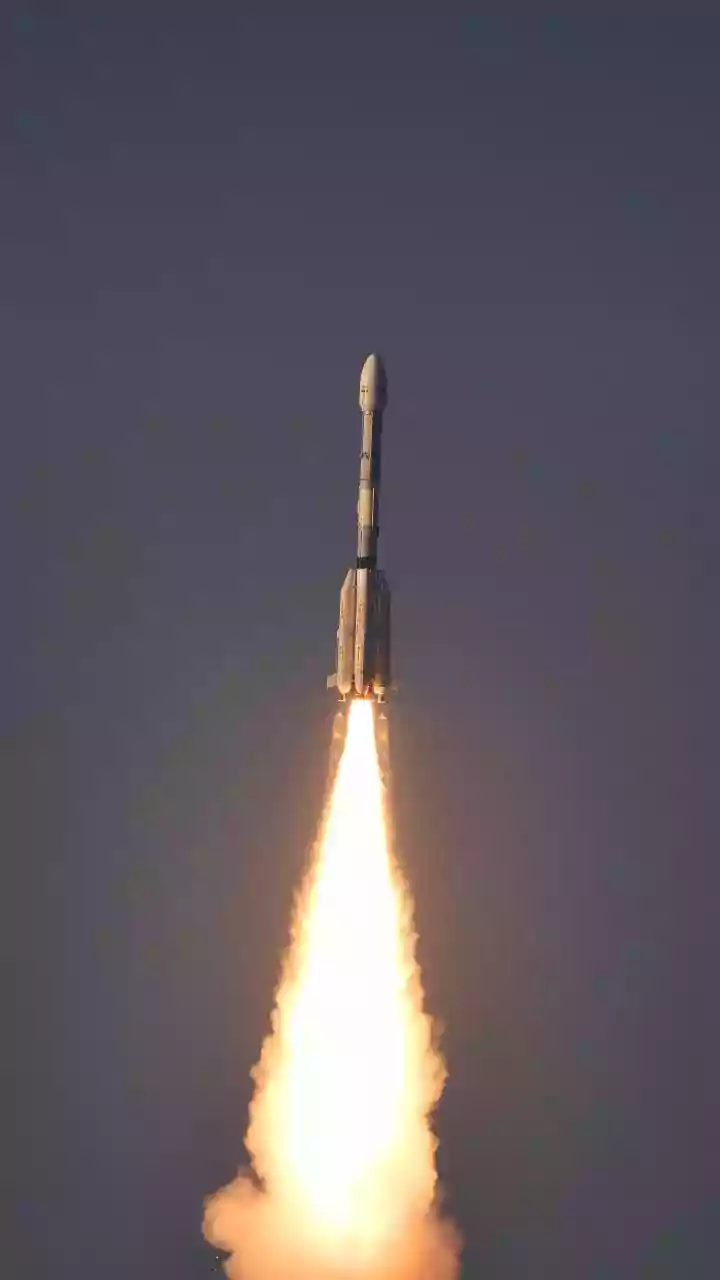
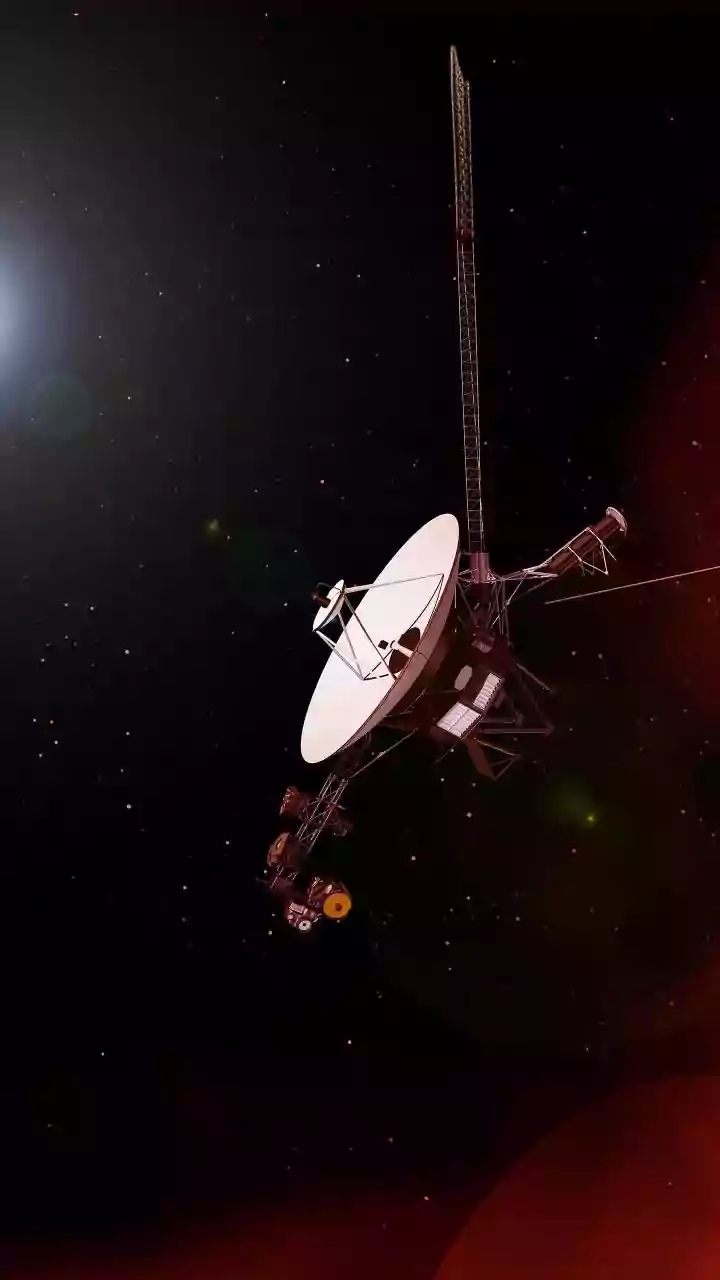
specifically those in low Earth orbit (LEO). Companies like SpaceX with its Starlink constellation, Amazon with its planned Project Kuiper, and others are launching thousands of these satellites to create a global network for high-speed internet. These satellites orbit much closer to Earth than traditional ones, making them appear to move quickly across the sky. When sunlight reflects off their metallic surfaces, particularly around dusk and dawn, they create bright, distracting trails in images that can ruin an otherwise perfect shot.
A Sky Full of Satellites
The scale of the issue is staggering and growing rapidly. Before 2019, there were fewer than 2,000 active satellites in orbit. As of early 2026, that number has surged to over 14,000, with the vast majority belonging to satellite mega-constellations like Starlink. And this is just the beginning. Companies have plans to launch tens of thousands, with some proposals even suggesting future constellations could number in the hundreds of thousands or even over a million. The International Astronomical Union (IAU) has expressed deep concern, noting that these new constellations could soon outnumber all satellites previously launched in history, forever altering the appearance of the night sky.
The Price of Global Connectivity
This boom in satellite launches is driven by a compelling business goal: providing high-speed internet to every corner of the globe, including remote and underserved areas. For a country like India, with its vast rural population and ambitious digital transformation goals, the promise of universal connectivity is immense. However, this progress comes with an unintended cost. The same satellites beaming down internet are also creating a new form of light pollution. This isn't just about aesthetics; it poses a significant threat to ground-based astronomy, a field that relies on a dark and quiet sky to make discoveries. Scientists now face a sky filled with streaks that can mask faint galaxies, obscure near-Earth asteroids, and interfere with crucial data collection.
Not Just a Problem for Professional Astronomers
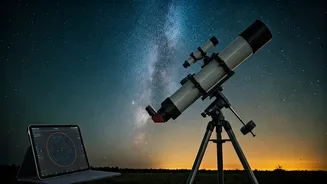
While professional observatories are sounding the alarm, they aren't the only ones affected. The growing community of amateur astrophotographers is feeling the impact directly. A 2025 global survey found that 90% of astrophotographers reported moderate or worse impacts from satellite trails. What was once a peaceful hobby now involves a “pollution tax” in the form of extra time and effort. Photographers report spending, on average, an additional 27 minutes per image in post-processing to remove satellite streaks, and many are forced to discard frames that are too heavily contaminated. This not only adds to the workload but also compromises the quality of the final image, turning a creative pursuit into a frustrating battle against digital noise.
Can the Stars Be Saved?
In response to criticism from the scientific community, satellite operators, particularly SpaceX, have started to implement mitigation measures. These include painting satellites with darker, less reflective coatings (an early experiment called 'DarkSat') and adding visors to shield reflective parts from the sun ('VisorSat'). More recent innovations include using special mirror films designed to scatter sunlight away from Earth. While these measures have shown some success in reducing satellite brightness, many astronomers argue it isn't enough. Even a dimmed satellite is often still bright enough to saturate the sensitive detectors of modern telescopes and cameras. As a result, astronomical organisations are calling for stricter international regulations on satellite brightness and greater collaboration between industry and science.