




Beyond the Classic Sadhya
The traditional Onam Sadhya is a well-orchestrated vegetarian meal that can feature over two dozen dishes. Classics like Avial, Sambar, Thoran, and Parippu Curry are non-negotiable for many. However, there is a growing movement to look beyond this standard
menu. Food enthusiasts and chefs are embracing a revival of heritage cuisine, seeking out forgotten recipes and celebrating the subtle yet distinct culinary differences across Kerala. This shift is driven by a desire for authenticity and a renewed appreciation for local, seasonal ingredients. It's a way of celebrating not just one idea of Keralan food, but the entire, diverse tapestry of the state's culinary identity.
The Rich Flavours of Malabar
In North Kerala, the Malabar region offers a distinct take on the Sadhya, often influenced by Mappila traditions. While a typical Sadhya is strictly vegetarian, some Malabar feasts incorporate non-vegetarian dishes, though this is less common for the Onam celebration itself. More often, the uniqueness comes from the specific vegetarian preparations. You might find a different style of Kootu Curry, which in Malabar might use roasted coconut and black chickpeas for a darker, richer gravy. Another specialty is a unique spin on Erissery, a pumpkin and bean curry, which in the north could have regional vegetables and a unique spice blend. Exploring these northern recipes can add unexpected depth and aroma to the familiar Sadhya spread.
A Taste of Travancore
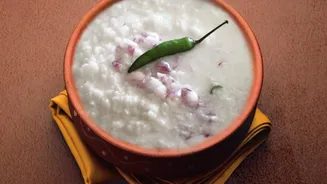
Travel south to the Travancore region, and the Sadhya transforms again. Here, the dishes often have a subtler, more tangy flavour profile. The Sambar, for instance, is typically made without the ground coconut paste that is common in central and northern Kerala, resulting in a lighter but equally flavourful curry. The Pachadis and Kichadis—yogurt-based side dishes—are central to the Travancore feast, with varieties like pineapple or bitter gourd offering a perfect balance of sweet, sour, and bitter. Inji Curry, a sweet and tangy ginger pickle, is another star here. While present across Kerala, the Travancore version is particularly beloved and considered one of the key components that ties the entire meal together.
Central Kerala's Subtle Twists
The central districts of Thrissur, Ernakulam, and Palakkad serve as a culinary crossroads, blending elements from both north and south while retaining their own unique character. For instance, while a pineapple pachadi is common in the south, Thrissur has its own 'Madhura Curry' (sweet curry) that serves a similar purpose with a different preparation. The use of certain vegetables in classic dishes also varies; Avial in Ernakulam might feature more sour notes from mango, whereas in other regions, yogurt provides the tang. These subtle differences are where the real fun lies for home cooks, as swapping one region's Avial or Kalan for another's can completely change the dynamic of the meal without disrupting the overall harmony of the Sadhya.
Welcoming New Traditions
Incorporating this regional variety doesn't mean abandoning the beloved classics. The best approach is to start small. Choose one or two regional specialities to try alongside your family's traditional favourites. Perhaps swap your usual Sambar for the coconut-free Travancore style, or add a Malabar-inspired Thoran to the mix. Many of these forgotten or regional recipes are being rediscovered and shared widely, reflecting a renewed interest in culinary heritage. This Onam, venturing into the specific tastes of Malabar, Travancore, or Central Kerala is more than just trying a new dish; it's a way to connect with the state's rich and diverse culture on a deeper, more flavourful level.