

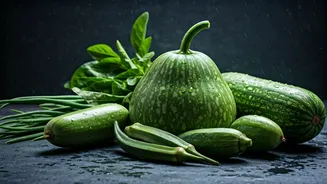


Lauki (Bottle Gourd): The Hydration Hero
Often relegated to the category of 'boring' food for the unwell, lauki deserves a serious rebranding. Composed of over 90% water, it is an incredibly hydrating vegetable, making it perfect for replenishing fluids in humid weather. It’s also extremely
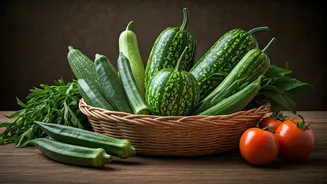
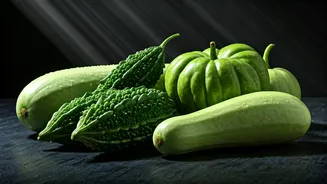
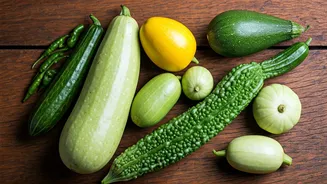
easy to digest and low in calories, making it a friend to your gut and your waistline. The magic of lauki lies in its subtlety; it’s a culinary chameleon that absorbs the flavours of the spices it's cooked with. Don't just think of plain sabzi. Try grating it to make delicious koftas, add it to dal for extra body and nutrients, or even blend it into a spiced raita for a cooling side dish. Its mild flavour also makes it a great candidate for a slightly sweet and spiced halwa.
Karela (Bitter Gourd): The Powerhouse
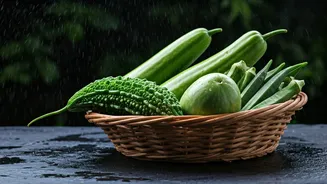
Yes, it’s bitter. But that bitterness is a sign of its potent medicinal properties. Karela is celebrated in Ayurveda for its ability to help regulate blood sugar levels, making it a valuable addition to a diabetic-friendly diet. It is packed with antioxidants, vitamins A and C, and acts as a natural blood purifier. The key to enjoying karela is to manage its bitterness. You can reduce it by scraping the rough surface, removing the seeds, and salting the pieces for about 30 minutes before rinsing and cooking. A classic preparation is Bharwa Karela, where the gourd is stuffed with a mix of spices, onions, and sometimes raw mango powder. Another great way to enjoy it is sliced thin, coated in chickpea flour and spices, and air-fried or shallow-fried until crisp. The bitterness becomes a complex, delicious background note.
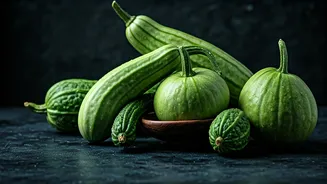
Tinda (Apple Gourd): The Gentle Giant
Tinda, or Indian round gourd, is another monsoon staple that often flies under the radar. It has a very mild, almost neutral flavour and a tender texture, making it a great vegetable for those who find other gourds too strong. Like lauki, it has a high water content and is very easy on the digestive system. It's a good source of fibre and antioxidants. Tinda is best enjoyed in simple, home-style preparations. A classic Punjabi dish involves cooking it with onions, tomatoes, and basic spices like turmeric, cumin, and coriander powder. It cooks quickly and pairs beautifully with hot rotis. You can also stuff it with a paneer or spicy potato filling and let it simmer in a light gravy for a more festive preparation. Its subtle taste ensures it won't overpower the other ingredients in your dish.
Parwal (Pointed Gourd): The Versatile Staple
Parwal is a workhorse of the seasonal kitchen, beloved in many parts of India, especially in the East. It's nutritionally dense, packed with vitamins A and C, and a good amount of dietary fibre, which aids in digestion and helps keep you feeling full. Its firm texture holds up well to various cooking methods, from frying to simmering in rich gravies. A simple and delicious way to cook parwal is to slice it into rounds and stir-fry it with potatoes (Aloo Parwal). For something more elaborate, try Parwal Posto, a Bengali delicacy where it’s cooked in a creamy poppy seed paste. It can also be stuffed with spiced meat or vegetable fillings. The seeds are edible when tender, but can be scraped out if they are too mature.
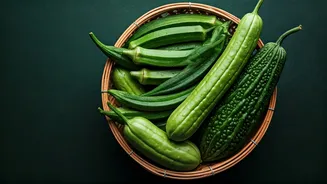
Bhindi (Okra): The Crowd-Pleaser
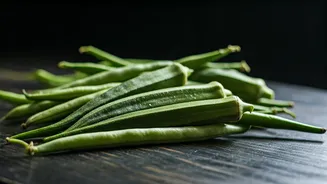
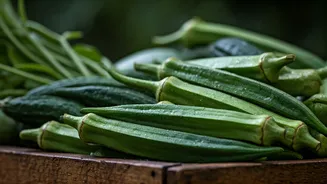
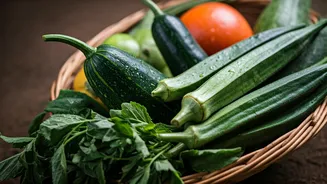
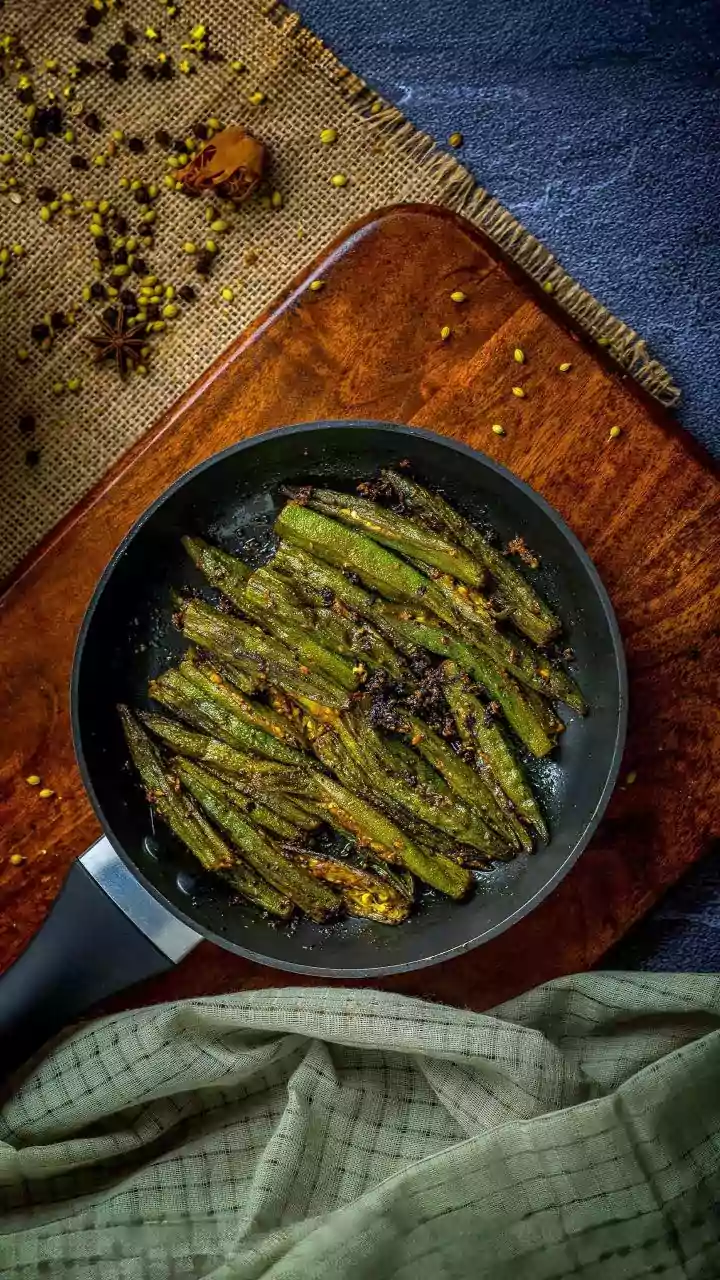
While available for a longer season, monsoon bhindi (okra or lady's finger) is particularly tender and flavourful. Bhindi is a fantastic source of soluble fibre, which is great for digestive health and can help in managing blood sugar. It's also rich in folate and Vitamin K. The biggest challenge with bhindi is its sliminess, but this is easily managed. The trick is to ensure the bhindi is completely dry before you chop it, and to cook it on a reasonably high heat. Adding a souring agent like amchur (dry mango powder) or a squeeze of lemon juice towards the end of cooking also helps cut the slime. From a simple, crispy Kurkuri Bhindi to a rich Bhindi Masala, this vegetable is incredibly versatile and a favourite across all age groups for good reason.