


The Science of Natural Air-Conditioning
Plants are nature’s own air conditioners. They cool their surroundings through a process called evapotranspiration. Essentially, plants draw water up from their roots and release it as cool water vapour through tiny pores in their leaves. This process absorbs
heat from the surrounding air, creating a microclimate that can be significantly cooler than an exposed, concrete surface. Studies have shown that shaded surfaces can be 11–25°C cooler than unshaded ones, and evapotranspiration can further reduce peak summer temperatures. A well-placed collection of plants can lower the perceived temperature, turning a scorching terrace into a comfortable retreat. This not only makes the space more pleasant but can also help insulate your home, potentially reducing the need for air conditioning.
Choosing Your Cooling Champions
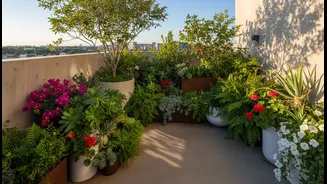
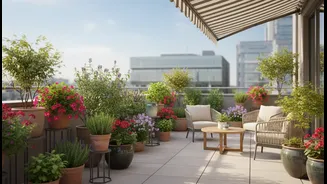
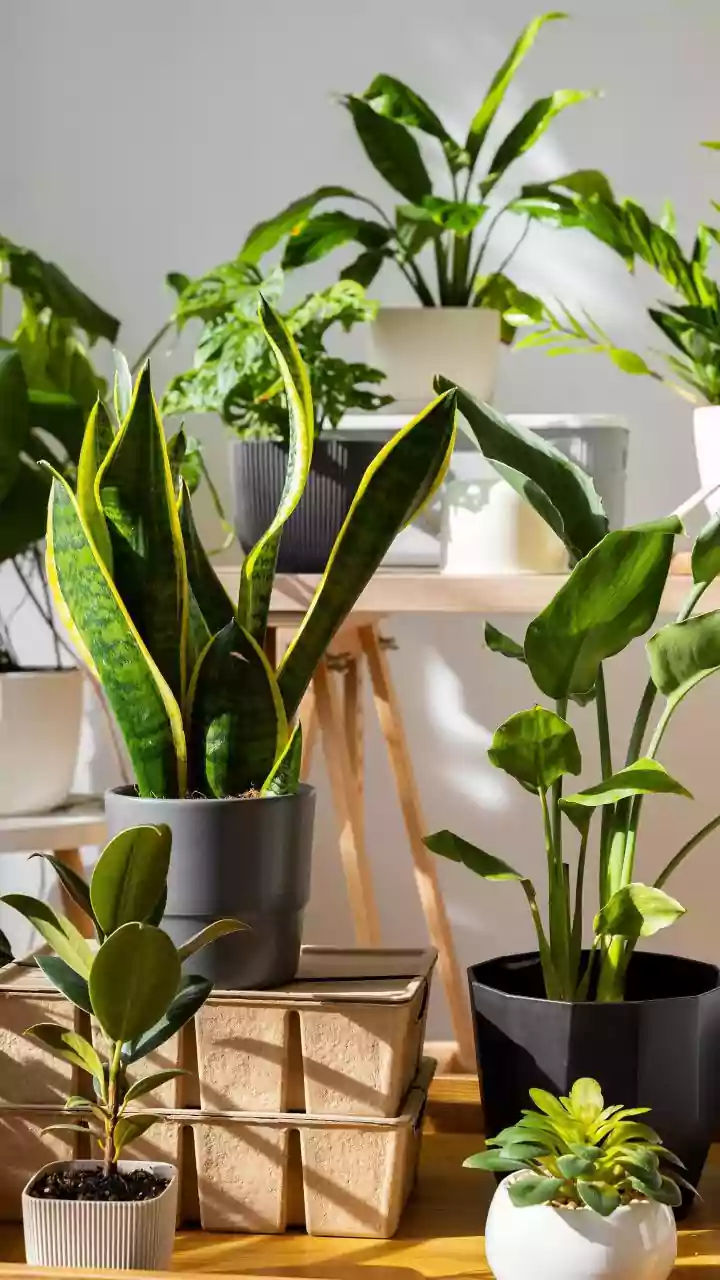
The key to success is selecting plants that thrive in the heat and direct sunlight common on Indian terraces. Look for hardy, drought-tolerant species that are well-suited for container gardening. Bougainvillea is a classic choice, known for its vibrant colours and ability to withstand intense sun with minimal water. Heat-tolerant flowering plants like Hibiscus, Marigold, Lantana, and Zinnia add a splash of colour while handling the heat well. For lush greenery and texture, consider Areca Palms for a tropical feel or Snake Plants, which are incredibly low-maintenance. Succulents and cacti, such as Aloe Vera, Jade, and various Echeveria species, are perfect for the hottest, driest spots as they store water in their leaves and require little care. You can even grow edible plants like chillies, lemongrass, and curry leaves, which are resilient and love the sun.
Strategic Planting for Maximum Effect
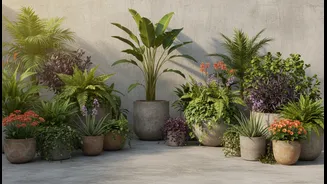
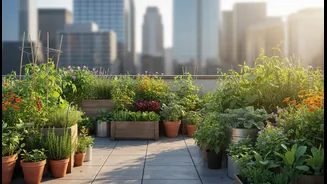
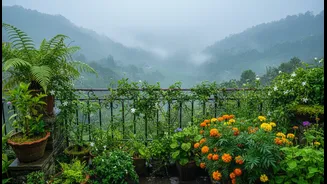
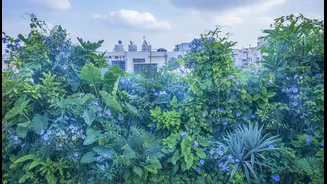
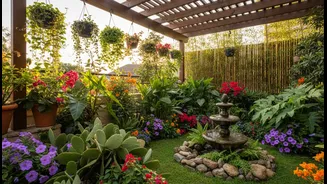
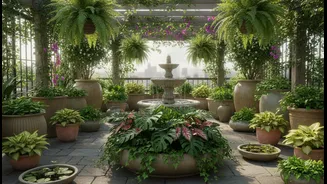
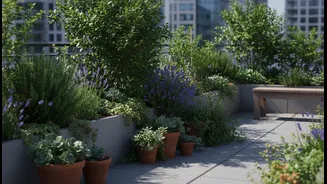
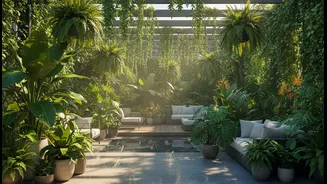
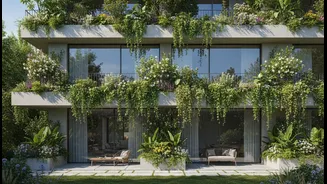
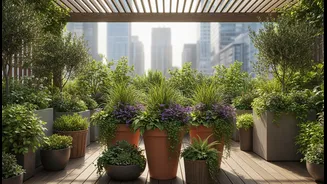
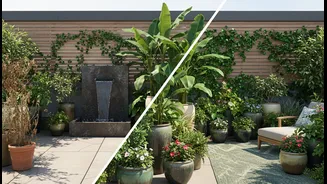
How you arrange your plants is just as important as which ones you choose. To create a truly cool oasis, think in layers. Use taller plants like small palms or climbers on a trellis to create shade. This is the most effective way to reduce the perceived temperature. Climbing plants like Bougainvillea or Money Plant can be trained up walls or along railings to create a vertical garden, which cools the structure itself. Grouping several pots together enhances the cooling effect as the combined transpiration creates a more humid, refreshing pocket of air. Place pots around the edge of the terrace to create a green screen that provides privacy and blocks some of the sun's harsh rays. Using a mix of plant sizes and shapes—the 'thriller, filler, spiller' concept—can also make your terrace garden more visually appealing and dense.
Practical Tips for Terrace Gardening
Container gardening on a hot terrace comes with its own set of rules. The choice of pot is crucial; terracotta or other light-coloured pots are preferable as dark containers absorb more heat, which can damage plant roots. Ensure every pot has drainage holes to prevent waterlogging. The soil in containers dries out much faster than garden soil, so daily watering might be necessary during the hottest months. Always check the top inch of soil; if it's dry, it's time to water. For best results, use a lightweight, high-quality potting mix rather than heavy garden soil. A layer of mulch on top of the soil can help retain moisture. For those with busy schedules, investing in a drip irrigation system or self-watering containers can be a game-changer.
More Than Just Cool Air
The benefits of a green terrace extend far beyond temperature reduction. Plants are natural air purifiers, filtering pollutants and releasing oxygen, which can improve the air quality in and around your home. A terrace garden also creates a mini-ecosystem, attracting pollinators like bees and butterflies and providing a habitat for birds, which enriches urban biodiversity. Furthermore, the act of gardening itself is a well-known stress reliever. Tending to your plants and watching them grow provides mental health benefits and a rewarding connection to nature, offering a peaceful escape from the hustle of city life.