





The All-Too-Familiar Rollercoaster
For many, the festive calendar in India is a marathon of joy, family, and food. From Diwali's mithai to Christmas cakes and Eid feasts, celebrations are rich with culinary traditions. Historically, this has often led to a predictable cycle: a period of glorious
indulgence followed by a 'detox' phase of strict dieting and regret. This feast-and-restrict approach is built on a foundation of guilt, where foods are labelled 'good' or 'bad'. The pattern involves overeating during celebrations, feeling a sense of shame, and then attempting to 'compensate' by skipping meals or cutting out entire food groups. However, this rollercoaster often does more harm than good, creating stress and a chaotic relationship with food.
Why the Shift Is Happening Now
A cultural shift is underway, moving away from punishing diet rules and towards a more compassionate and sustainable approach to eating. The rise of concepts like intuitive and mindful eating is empowering people to trust their bodies again. Instead of external rules dictating what, when, and how much to eat, the focus is turning inward. This means listening to your body's natural hunger and fullness cues. Health experts are increasingly advocating against the 'all-or-nothing' mentality, noting that one indulgent meal will not ruin your health, just as one salad won't magically create it. There's a growing understanding that true well-being is about consistent habits over time, not short-term perfection. This mindset encourages making peace with food and rejecting the guilt that diet culture often promotes.
Embracing Mindful Indulgence
So, what does this new approach look like? It's about 'mindful indulgence'—a way of enjoying festive foods without guilt. One of the core principles is to never arrive at a celebration ravenously hungry. Skipping meals to 'save calories' often backfires, leading to overeating because your body is in survival mode. Instead, dietitians recommend eating regular, balanced meals throughout the day. When you are at the event, the focus is on savouring the experience. Eating slowly, paying attention to the flavours and textures, and putting your fork down between bites gives your brain time to register fullness, which takes about 20 minutes. This practice helps you feel satisfied with less food and truly enjoy what you're eating.
Practical Strategies for Your Next Feast
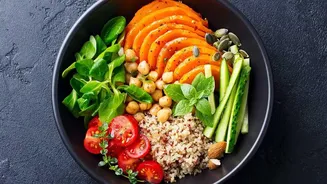
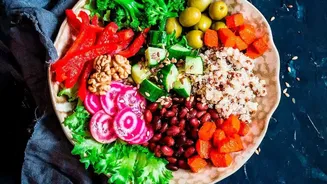
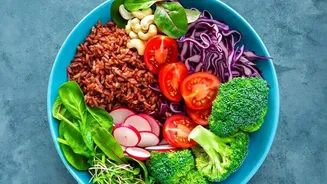
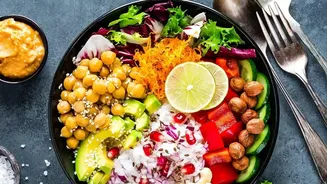
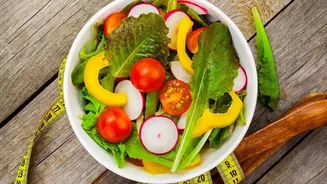
Adopting a more balanced festive eating style is easier than it sounds. A simple strategy is the 'plate method': fill half your plate with vegetables or salad, a quarter with protein (like dal, paneer, or chicken), and the remaining quarter with carbohydrates (like rice or roti). This ensures you get essential nutrients while still enjoying festive dishes. Staying hydrated is also key; sometimes thirst is mistaken for hunger. It’s also helpful to be selective. Instead of trying everything, choose the special treats you truly love and enjoy them in moderation. And remember, movement matters. Incorporating some activity, like a walk or dancing with family, can boost your mood and help balance your energy. It's not about 'earning' your food, but about overall well-being.
Letting Go of Perfection
Perhaps the most important part of this new approach is self-compassion. If you do eat more than you intended, it’s not a failure. The old cycle would demand restriction the next day, but a healthier response is to simply return to your normal eating routine at the next meal. Avoid the trap of labelling foods and yourself as 'good' or 'bad'. Health is a long-term game, and a few celebratory meals are part of a rich and joyful life. By focusing on balance, mindfulness, and consistency, you can navigate the festive season feeling nourished and happy, without the side of guilt. The goal is to cherish the moments, the company, and the flavours, knowing that you are supporting your body for the long haul.