




The Illusion of the 15-Minute Meal
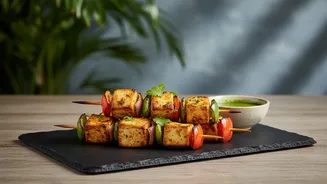
We've all seen the recipes: a fiery chilli paneer or a colourful vegetable stir-fry that promises to be on your plate in under 15 minutes. And technically, it’s true. The time spent over a hot pan is indeed short. But this overlooks the crucial time spent beforehand:
the half-hour of chopping vegetables into perfect juliennes, the hour or more of marinating paneer or chicken until it soaks up every bit of flavour, and the careful measuring of spices. The real work, the foundation of the flavour, happens long before the sizzle of the wok. This contrast between unhurried prep and a flash of heat is where culinary magic truly lies. It’s a reminder that what happens on the cutting board is often more important than what happens on the stove.
A Chef's Secret: 'Mise en Place'
In professional kitchens, this philosophy has a name: 'mise en place'. It's a French term that literally means 'everything in its place'. Before a chef even thinks about turning on the heat, every single ingredient is washed, chopped, measured, and arranged in small bowls. This isn't just about being organised; it's a fundamental discipline that ensures focus, efficiency, and consistency. For home cooks, adopting this practice can be transformative. It forces you to read a recipe from start to finish, preventing that mid-cooking panic when you realise you’re missing a key ingredient. By preparing everything in advance, you can give your undivided attention to the cooking process itself, turning a stressful rush into a calm, controlled, and far more enjoyable experience.
Flavour is Built in the Foundation
Quick cooking methods like stir-frying or grilling require high heat for a short duration. While this creates wonderful textures and a charred exterior, it doesn't leave much time for flavours to meld and deepen. That’s why the preparation phase is so critical. Consider the galouti kebab, famous for its melt-in-the-mouth texture. The meat is minced and tenderised over hours, combined with a complex blend of spices long before it hits the griddle for a few minutes of cooking. Similarly, a Thai green curry's soul is in its paste—a component that can take an hour to grind by hand from fresh herbs and spices. The final act of cooking the curry is comparatively swift. This slow start allows marinades to tenderise proteins and lets spices bloom, creating a depth of flavour that simply cannot be achieved in a hurry. The long preparation is not a chore; it is the most essential step in flavour creation.
A Mindful Break in a Busy Day
Beyond the delicious results, the act of slow preparation can be a powerful form of mindfulness. The rhythmic, repetitive nature of chopping vegetables, the sensory experience of grinding fresh spices, or the gentle process of folding ingredients together can become a meditative practice. In a world of constant notifications and demands on our attention, this focused, screen-free time can be an incredible way to de-stress. It allows you to connect with your food on a deeper level, transforming meal preparation from a task to be rushed through into a rewarding ritual. This deliberate approach fosters a greater appreciation for the ingredients and the process, making the final meal taste all the more satisfying.