






The Social Shift Driving the Boom
A quiet transformation is unfolding in Indian households, where pets are no longer just animals but cherished family members. This cultural shift, often called 'pet humanisation,' is the primary engine behind the nation's booming pet care market. Factors
like increasing disposable incomes, urbanisation, and the rise of nuclear families have led many to seek companionship in pets. The pandemic further accelerated this trend, as people sought emotional support during long periods at home. As a result, the Indian pet care market, valued at approximately ₹30,434 crore in 2024, is projected to surge to ₹2.1 lakh crore by 2032. This isn't just about more pets; it's about a fundamental change in how they are perceived and cared for, creating a massive economic opportunity.
Beyond the Bowl: A Gourmet Food Revolution
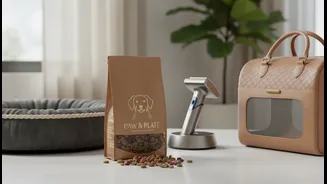
The single largest segment of this new economy is pet food, but the story has moved far beyond basic kibble. Pet parents are now scrutinizing labels and demanding higher quality, mirroring trends in human nutrition. This has spurred demand for premium products like grain-free meals, organic ingredients, breed-specific formulas, and even fresh-cooked diets. The premium and super-premium segments are growing at over 20% annually, significantly outpacing the broader market. While international brands like Royal Canin and Mars Petcare's Pedigree have long been dominant, a host of homegrown startups are now offering specialized and niche products, including vegan options and human-grade ingredients. This diversification shows that for modern Indian owners, feeding a pet is about ensuring optimal health and wellness, not just sustenance.
Advanced Care: The New Standard in Pet Healthcare
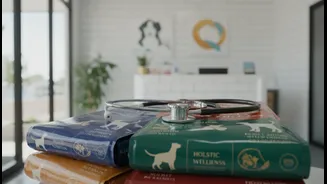
The focus on wellness extends deeply into healthcare, which has become one of the fastest-growing sub-segments. Routine vaccinations and vet visits are now standard, but the premium economy is pushing the boundaries further. Urban centres are seeing a rise in multi-speciality veterinary hospitals offering services like advanced diagnostics, ICUs, digital radiography, and complex surgeries. There's also a growing awareness of preventative care, including dental hygiene, regular deworming, and parasite screening. As treatment costs rise, pet insurance is slowly gaining traction. Furthermore, technology is playing a bigger role, with telemedicine and vet-at-home services becoming popular, offering convenience to busy pet owners. This professionalisation of pet healthcare signals a move toward providing animals with a quality of life on par with their human companions.
Curating a Lifestyle: From Grooming to Gadgets
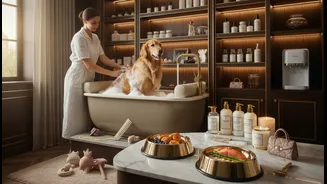
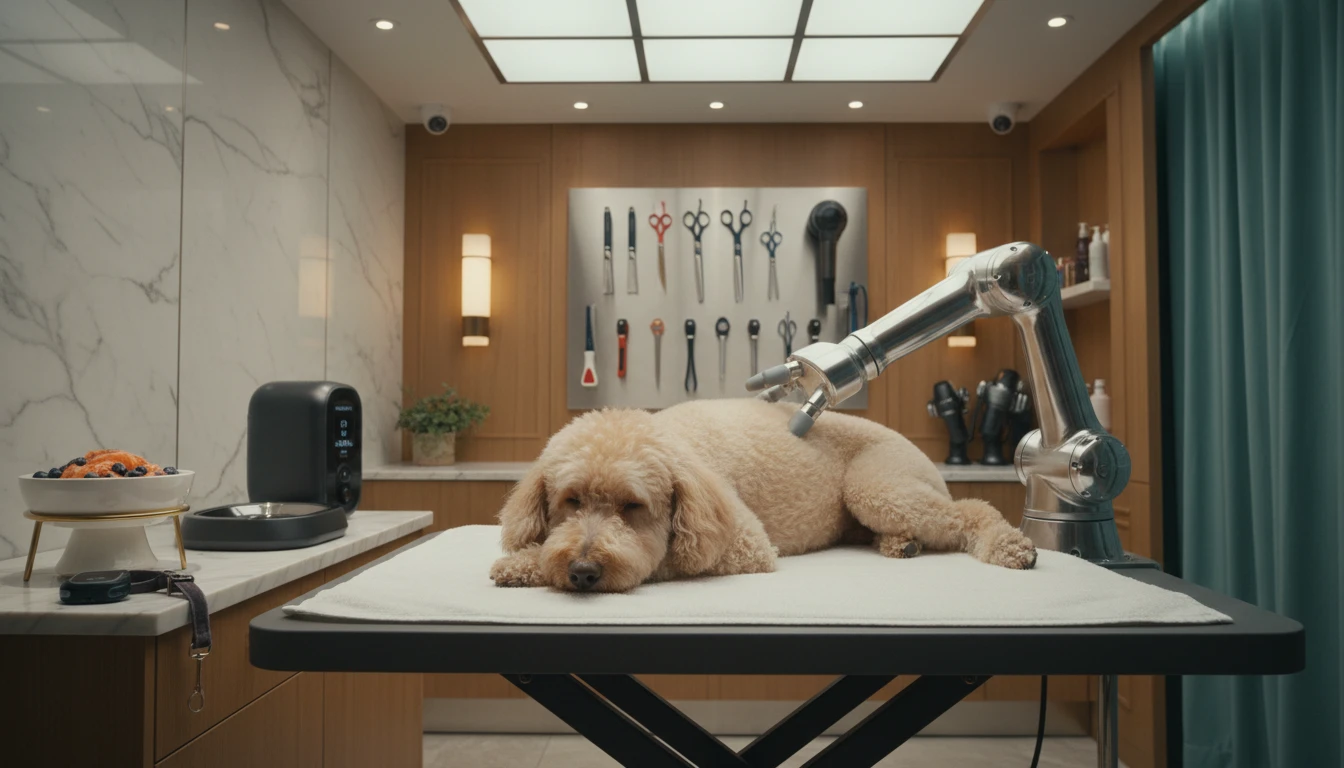
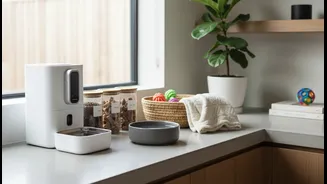
Once considered frivolous, lifestyle spending is now a significant part of the pet economy. This includes everything from professional grooming services and spa treatments to designer accessories and smart technology. Grooming salons offering premium packages are now mainstream in urban cities. The pet accessories market, covering toys, apparel, and beds, is expanding rapidly, with quick commerce platforms reporting surges in searches for items like dog shampoo. Even celebrations have become a business, with pet bakeries offering customised birthday cakes and treats for special occasions. Technology is also finding its place with GPS-enabled collars, automatic feeders, and interactive toys. This spending reflects the deep integration of pets into the family unit, where their comfort, entertainment, and style are considered important household expenditures.