


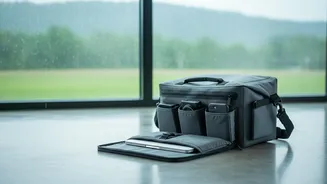
Know Your Protection: Waterproof vs. Water-Resistant
Before you buy, it's crucial to understand the terminology. 'Water-resistant' means a device or bag can handle light splashes or a brief drizzle, but not submersion. These products often have a water-repellent coating that wears off over time. 'Waterproof',
on the other hand, means the item can be fully submerged in water for a specific depth and duration without leaking. For gadgets, this is often indicated by an IP (Ingress Protection) rating. For example, an IP67 rating means the device is dust-tight and can survive in up to one meter of water for 30 minutes. An IP68 rating offers even better protection against continuous immersion. Understanding these labels will help you choose the right gear for your needs, whether it's for a daily walk in a light shower or a trek through heavy rain.
For the Daily Commute: Waterproof Backpacks and Covers
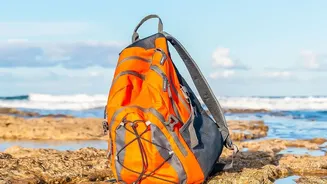
Your everyday backpack is the first line of defence for your laptop, tablet, and other essentials. Investing in a fully waterproof backpack is the best solution. These bags often feature materials like PVC or TPU and have welded seams and roll-top closures to create a watertight seal. A good waterproof backpack will keep everything inside bone-dry even if you get caught in a torrential downpour. If a new bag isn't in the budget, consider a waterproof rain cover for your existing backpack. These are lightweight, affordable, and can be easily slipped over your bag when the skies open up. For an extra layer of security, you can place your laptop inside a separate waterproof sleeve before putting it in your bag.
Immediate Shielding: Phone Pouches and Cases
Your smartphone is the gadget most exposed to the elements. A high-quality waterproof pouch or case is an essential monsoon accessory. Look for transparent pouches that not only keep water out but also allow you to use the touchscreen, so you can still take calls or check maps in the rain. Many of these pouches are IP68 rated, meaning they can handle full submersion, making them perfect for any water-based activity. For a quick, emergency solution, a simple zip-lock bag can provide a temporary barrier against rain, though it's not a reliable long-term option. Always ensure the seal is completely closed before heading out.
For Adventurers: Heavy-Duty Dry Bags
If your monsoon plans involve trekking, camping, or watersports, a standard backpack won't be enough. This is where dry bags come in. These are durable, flexible bags, typically made from PVC, designed to be completely waterproof when sealed correctly. They use a roll-top closure system: you roll the top down several times and buckle it shut to create an airtight and watertight seal. Dry bags come in various sizes, from small 2-litre sacks perfect for a camera and phone, to large 40-litre bags for clothes and bigger electronics. They are essential for keeping your most sensitive and valuable gear safe in extreme wet conditions.
The Battle at Home: Controlling Humidity
The danger doesn't end when you get indoors. High humidity during the monsoon can silently damage electronics over time, causing corrosion and mould growth, especially on camera lenses. The key is to keep your devices in a dry environment. Store electronics away from open windows and damp walls. For valuable items like cameras, consider investing in a dry box or a humidity-controlled cabinet. A simpler solution is to place silica gel packets in your drawers, closets, or camera bags. These small packets are excellent at absorbing excess moisture from the air, protecting the delicate internal components of your gadgets.
What to Do If a Gadget Gets Wet
If the worst happens and your device gets soaked, act fast. First, turn it off immediately and do not press any buttons to prevent short-circuiting. If possible, remove the battery, SIM card, and memory card. Gently wipe the exterior with a dry, soft cloth. Do not use a hairdryer, as the heat can cause more damage. Instead, place the device in an airtight container filled with silica gel packets, which are far more effective than the popular but less reliable uncooked rice method. Leave it for at least 24 to 48 hours to allow the moisture to be fully absorbed before attempting to turn it back on.