





Why Choose Cold Brew?
Unlike traditional iced tea, which is brewed hot and then cooled, cold brewing involves steeping tea leaves in cold water for an extended period. This gentle process has a transformative effect on the flavour. The hot water used in conventional brewing can
quickly extract tannins, which are responsible for the bitter and astringent notes in tea. In contrast, cold brewing slowly coaxes out the flavour compounds, resulting in a drink that is significantly smoother, naturally sweeter, and less acidic. Many also find it easier on the stomach. This method also preserves more of the tea's delicate aromas and antioxidants, offering a brew that is as flavourful as it is refreshing. Plus, it has about half the caffeine of a hot-brewed cup.
The Perfect Base: Assam Tea
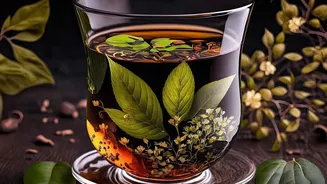
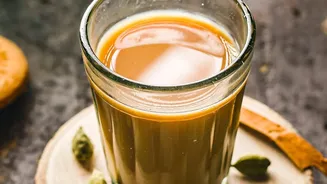
While many teas work for cold brewing, Assam tea provides a wonderfully robust and full-bodied base that stands up well to fruit infusions. Known for its distinct malty richness, Assam tea doesn't get lost when other flavours are introduced. Its inherent strength means the final brew is satisfying and complex. When selecting your leaves, opt for good-quality loose-leaf tea if possible. This allows the leaves to fully expand and release their complete flavour profile. While tea bags work in a pinch, the superior flavour of loose-leaf Assam will make a noticeable difference in your finished cold brew.
Harnessing Seasonal Indian Fruits
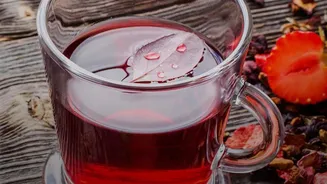
The real magic happens when you pair your Assam tea with the vibrant flavours of seasonal Indian fruits. During the hot summer months, consider the 'king of fruits', the mango, for its tropical sweetness. Juicy lychees, plums, peaches, and watermelon also make for incredibly refreshing infusions. As the monsoon arrives, look for jamun (Indian blackberry), cherries, and pomegranates to add a different dimension of sweet and tart flavours. Don't be afraid to experiment with combinations. A classic combination like peach and black tea is always a winner, but why not try mango with a hint of mint, or plum with a slice of lime?
The Fundamental Recipe and Ratio
Making cold brew tea is incredibly simple and requires no special equipment. A large glass jar or pitcher is all you need. The key is getting the ratio of tea to water correct. A good starting point is to use about 1.5 teaspoons of loose-leaf Assam tea for every 250 ml (approximately 1 cup) of water. So, for a 1-litre pitcher, you would use about 6 teaspoons of tea leaves. You can adjust this based on your preference for a stronger or milder brew. Always use cold, filtered water for the cleanest taste. Simply add your loose tea leaves to the pitcher and pour the cold water over them.
The Art of the Slow Steep
Patience is the most important ingredient. Once you've combined your tea and water, give it a gentle stir to ensure all the leaves are hydrated. Cover the pitcher and place it in the refrigerator. For a black tea like Assam, the ideal steeping time is between 8 and 12 hours. Steeping it for much longer can sometimes introduce bitterness, so it's a good idea to taste it after 8 hours to see if it has reached your desired strength. The slow, cold infusion is what creates that signature smooth flavour, so don't rush the process.
Adding Your Fruity Twist
You have two main options for infusing the fruit. The first method is to add the sliced fruit directly into the pitcher along with the tea leaves at the beginning of the brewing process. This co-brewing method results in a deeply integrated, harmonious flavour. The second option is to brew the tea on its own for 8-12 hours, strain out the leaves, and then add your fresh fruit to the finished tea. Let the fruit infuse in the tea for another 1-4 hours in the fridge. This method gives you a brighter, more distinct fruit flavour that sits on top of the tea's profile. For best results, use ripe but firm fruit.