


Artemis and the Lunar Outpost
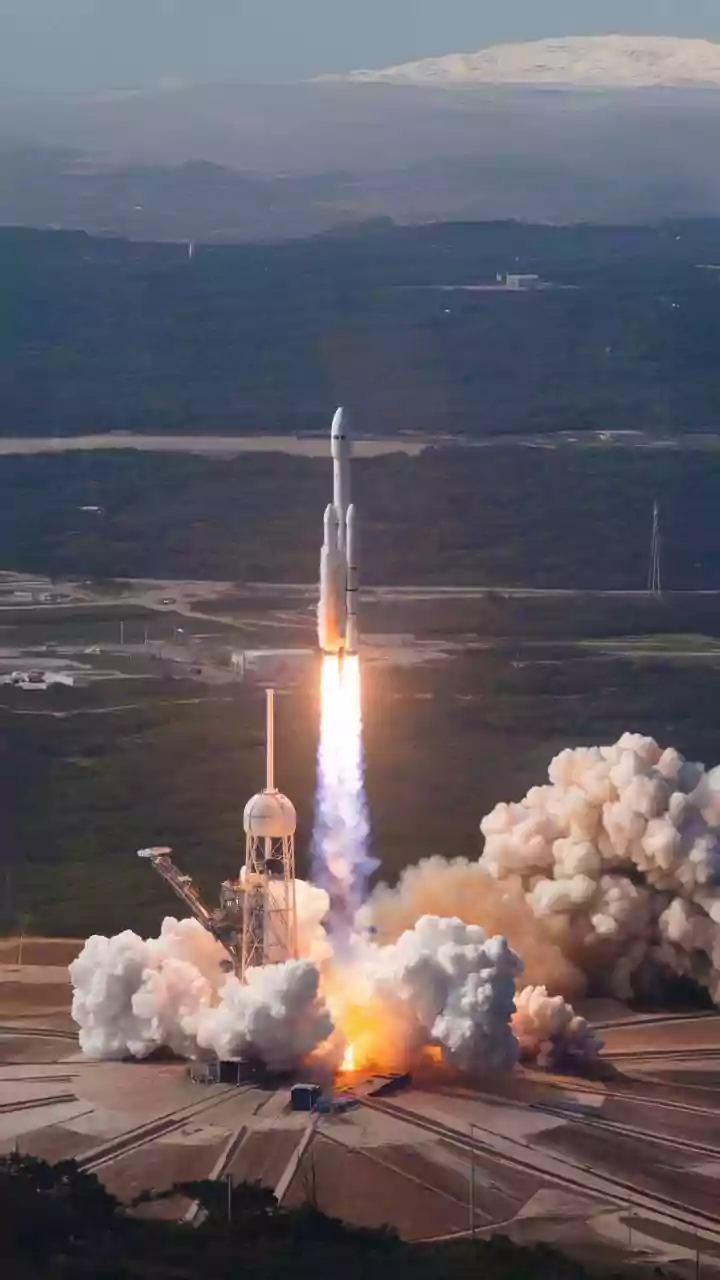
More than half a century after the final Apollo mission, NASA is charting a course back to the lunar surface with its Artemis program. The goal isn't just to leave footprints and flags, but to establish a long-term human presence—an 'Artemis Base Camp'.
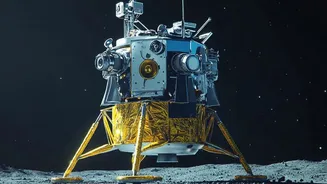
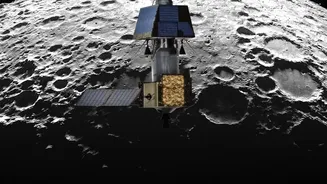
This ambitious project envisions astronauts living and working on the Moon for extended periods, conducting groundbreaking science and testing technologies for future missions to Mars. But the Moon is not a benign environment. To ensure astronaut safety and the success of a future outpost, NASA is first sending robotic scouts to map the terrain, identify resources, and, most importantly, characterize the hazards. Recently, the agency announced a new slate of scientific investigations selected under its PRISM program, designed specifically to fill critical knowledge gaps before humans arrive.
New Eyes on Lunar Dangers
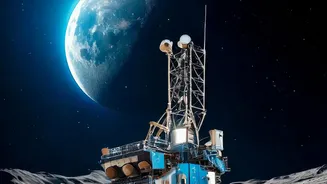
The latest selections include a suite of instruments that read like a survival checklist for future lunar pioneers. One key payload is the Lunar Environment Monitoring Station (LEMS-SP). This autonomous station will act as a long-term weather and hazard monitor at the South Pole, a strategic location for a future base due to the potential presence of water ice. LEMS-SP will use a seismometer to listen for 'moonquakes' and track the constant rain of micrometeoroids. Another investigation, the Depth Imager with Spectral and Color Optics (DISCO), is designed to hunt for that very ice, studying how stable the ground is and how rocket exhaust might dangerously disturb the soil upon landing and takeoff. Together, these instruments are not just doing science for science's sake; they are performing essential reconnaissance to make a lunar habitat viable.
The Silent Hazards: Dust and Radiation
Two of the greatest threats to lunar astronauts are pervasive and insidious: radiation and dust. Without a protective atmosphere or global magnetic field, the lunar surface is constantly bombarded by two types of dangerous radiation: galactic cosmic rays from deep space and intense particle storms from our own Sun. Long-term exposure can lead to severe health problems, including cancer and organ damage. The other major hazard is the lunar dust, or regolith. Unlike the rounded dust particles on Earth, lunar dust is composed of tiny, sharp, glass-like shards formed by eons of micrometeorite impacts. It is electrostatically charged, so it clings to everything. Apollo astronauts found it abraded their spacesuits, clogged mechanisms, and, when brought inside the lander, caused respiratory irritation—a condition nicknamed 'lunar hay fever'. The long-term effects of inhaling these sharp particles are unknown but deeply concerning.
An Unstable Surface
The ground beneath an astronaut's feet is also a source of risk. While the Moon doesn't have tectonic plates like Earth, it is not geologically inert. It experiences several types of 'moonquakes'. Some are deep tremors caused by the tidal pull of Earth's gravity. Others are caused by meteorite impacts. Perhaps most concerning for a permanent base are shallow moonquakes. These can be surprisingly powerful, reaching over 5 on the Richter scale and lasting for many minutes, and are thought to be caused by the Moon gradually shrinking as its interior cools. This shrinking process creates fault lines, particularly concentrated in the south polar region where NASA plans to land Artemis astronauts. Understanding the frequency and strength of this seismic activity is crucial for designing habitats and infrastructure that can withstand the shaking.
Science as a Survival Strategy
This is where the new investigations become critical. The seismometer on the LEMS-SP payload will provide the first new seismic data from the lunar surface in decades, offering vital information on ground stability in the very region where the base camp may be built. By studying how rocket plumes interact with the surface, the DISCO instrument will help engineers design landing pads that prevent abrasive dust from sandblasting habitats and equipment. These missions are part of a methodical, science-first approach. As Nicky Fox, NASA's associate administrator for science, stated, the goal is to build 'the ultimate interplanetary survival guide' to minimize risks for future crews. The data gathered won't just be interesting; it will directly inform the engineering and operational plans for keeping astronauts alive.