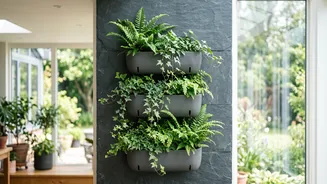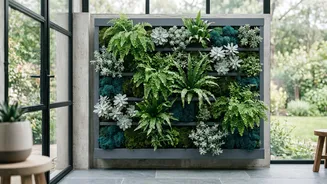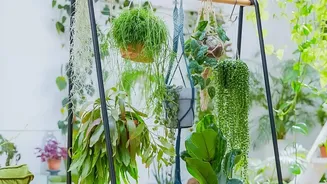


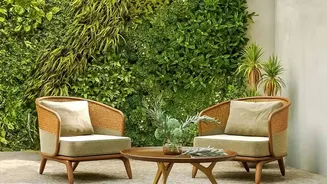
Vertical gardens transform walls into vibrant, living art. They save space and beautify any area, indoors or out. But for plants to thrive, one detail is crucial above all others: choosing containers with excellent drainage.
Why Drainage Is Non-Negotiable
Before picking a planter, it's
vital to understand why drainage is so important. When water has no escape route, it saturates the soil, leading to root rot, the most common killer of container plants. Proper drainage ensures that roots get the oxygen they need to breathe and absorb nutrients effectively. Without it, soil becomes compacted, and harmful mineral salts can build up. In a vertical system, where gravity plays a significant role, poor drainage in upper tiers can lead to overwatering and drowning the plants below, creating a cascade of problems. A good drainage system prevents this by allowing excess water to exit efficiently, keeping the entire wall healthy.
Types of Vertical Garden Containers
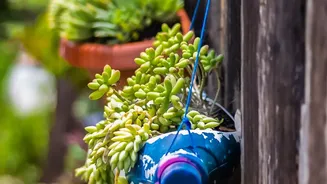
Vertical gardening systems come in several popular formats, each with its own approach to holding plants and managing water. Pocket planters, often made of felt or other fabrics, are a common choice. These lightweight bags are breathable and retain moisture well, but can also dry out quickly. Stackable pots are another option, designed to sit one on top of another to create a tower. Many of these feature a cascading design that lets water from the top pot trickle down to the ones below. For a more integrated look, there are modular wall planters that attach directly to a surface, sometimes in a grid pattern. Finally, you can create DIY systems using materials like repurposed gutters, PVC pipes, or wooden pallets, as long as you add drainage holes.
Understanding Drainage Systems
When examining containers, look for their specific drainage features. The simplest is a hole in the bottom, but vertical systems are often more advanced. Some have integrated drainage ports and multiple openings to let excess water escape and promote aeration. Others feature a self-watering mechanism with a reservoir and an overflow outlet to prevent waterlogging. For wall-mounted systems, especially indoors, managing runoff is key. Look for systems that include collection trays or integrated gutters at the base to capture excess water. Some advanced setups even use a pump to recirculate the collected water back to the top, creating a closed-loop irrigation system.
How Container Material Affects Drainage
The material of your container plays a big role in moisture control. Plastic pots are lightweight, affordable, and excellent at retaining moisture, but because they are non-porous, good drainage holes are essential to prevent soggy soil. Terracotta pots are porous and allow for great air exchange, but they also dry out very quickly and can be heavy, which is a consideration for wall-mounted gardens. Fabric grow bags and pocket planters offer excellent aeration but also require more frequent watering as they lose moisture to evaporation. Metal containers are durable and offer a modern look, but they can heat up in direct sun, potentially harming plant roots. Wooden planters offer a rustic aesthetic but should be properly treated to resist rot from constant moisture.
Managing Runoff and Protecting Your Walls
A vertical garden's biggest challenge is managing where the water goes after it drains. For outdoor walls, this is less of a concern, but uncontrolled runoff can still stain patios or decking. Planting a small garden bed at the base of the wall is an excellent way to absorb the excess water. For indoor vertical gardens, proper water management is critical to prevent damage to your walls and floors. Always use a system with a reliable, waterproof backing and a builtin drainage channel or collection trough. Some people install a simple household gutter at the base, painted to blend in, which channels water to a single collection point or drain. Ensuring your setup can handle overflow without causing a mess is the key to enjoying a living wall inside your home.