




Beyond the Standard Question Paper
For generations, Indian students have faced a one-size-fits-all approach to assessment. Whether in a bustling city classroom or a quiet rural school, the question paper has been the great equaliser—and the great frustrater. Some students find it too easy,
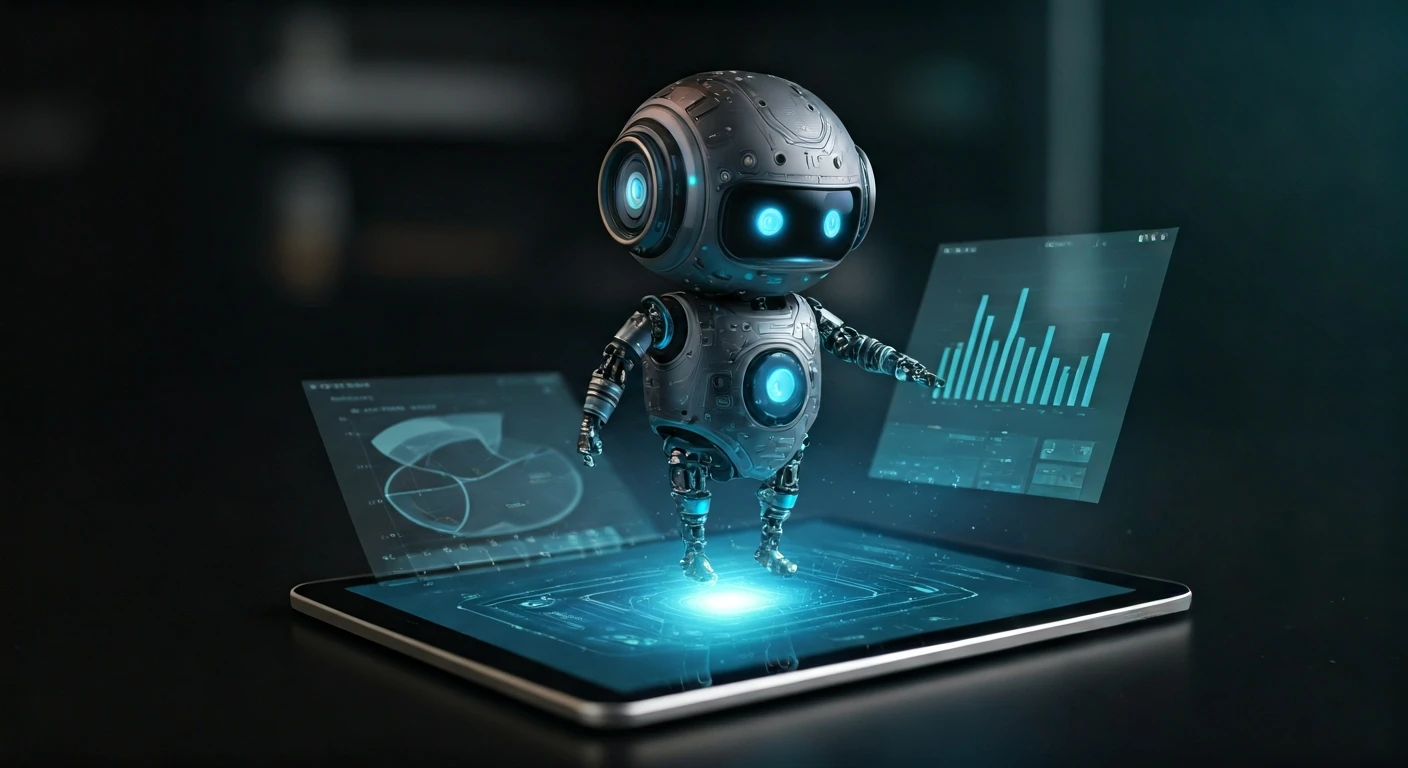
while others struggle with concepts they haven't yet grasped. This is where dynamic AI assistants come in. These are not just simple chatbots or search engines. They are sophisticated learning tools designed to understand a student's individual knowledge gaps and strengths. Instead of serving up a generic set of questions, these AI systems create a bespoke, ever-evolving question bank tailored specifically to each user's learning journey. It's like having a personal tutor who knows exactly what you need to practise next.
How Does It Actually Work?
The magic lies in adaptive learning algorithms. When a student starts using an AI-powered platform, they begin by answering a baseline set of questions. The AI analyses their responses in real time. Did the student solve the algebra problem quickly but struggle with geometry? The AI notes this. It then generates new questions that specifically target the areas of weakness—in this case, more geometry problems, perhaps starting with simpler concepts and gradually increasing in difficulty as the student improves. It also identifies topics the student has mastered and reduces their frequency, ensuring study time is spent efficiently. This continuous loop of assessment, analysis, and generation means the question bank is never static; it ‘dynamically’ adjusts to the student's progress, creating a truly personalised practice regimen.
A Personal Coach for Every Student
The primary benefit for students is profound: the shift from rote memorisation to genuine understanding. When practice is targeted, students are no longer just trying to predict what might be on the exam. Instead, they are actively strengthening their conceptual foundations. This builds confidence and reduces the anxiety associated with falling behind. For students preparing for hyper-competitive exams like JEE or NEET, this technology offers a significant edge. It allows them to move beyond passively consuming content from coaching centres and actively engage with material that pushes their specific limits. This self-paced, targeted practice can be a game-changer, helping students take control of their own learning.
Easing the Burden on Teachers
While the focus is often on the student, these AI tools are also a powerful ally for educators. In India, where teacher-student ratios can be daunting, providing individual attention is a daily challenge. An AI assistant can handle the heavy lifting of creating differentiated homework, practice sheets, and mock tests for dozens of students. This frees up the teacher's valuable time to focus on what humans do best: mentoring, explaining complex topics in creative ways, and providing emotional support. Furthermore, these platforms provide teachers with a detailed dashboard, offering insights into which concepts the entire class is struggling with. This allows them to adjust their lesson plans to address common difficulties, making classroom time more effective for everyone.
The Hurdles and the Path Forward
Of course, the technology is not a magic wand. The biggest hurdle remains the digital divide. For AI-driven education to be truly equitable, every student needs reliable access to a device and a stable internet connection—a reality still distant for many in India. There are also valid concerns about data privacy and the potential for algorithms to develop biases. Over-reliance on any single tool can also risk stifling creativity and critical thinking if not balanced with traditional teaching methods. Educators and policymakers must therefore approach this technology thoughtfully, viewing it as a powerful supplement to, not a replacement for, great teaching. The goal is to integrate these tools in a way that empowers both students and teachers without deepening existing inequalities.