



Understanding Your Balcony’s Sunlight
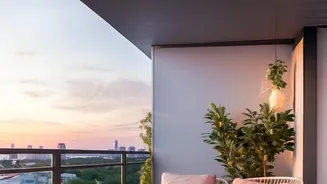
The single most important factor for plant health is sunlight, which fuels photosynthesis and growth. However, a balcony that feels 'bright' to you might not provide enough direct sun for a plant. Balconies are unique microclimates; they might get intense,
direct sun for only a few hours before a neighbouring building casts a shadow. Unlike an open garden, the light is often directional and fleeting. A plant that needs six hours of direct sun will not thrive with six hours of ambient brightness. Understanding this difference is the first step. Fruiting and flowering plants, like tomatoes or hibiscus, generally need at least six hours of direct sun to produce blooms and fruit. Leafy greens and some herbs can often get by with less.
How to Simply Track Your Sunlight
You don't need fancy tools to map your balcony’s sun exposure. The easiest method is to perform a simple hourly check. Start in the morning and note what time the sun's rays first hit your balcony floor or railing. Check back every hour to see which parts are sunny and which are in shadow. Note when the direct sun disappears for the day. Do this on a clear day to get an accurate reading. This simple log will tell you if you have a 'full sun' (6+ hours), 'partial sun' (4-6 hours), or 'shade' (less than 4 hours) balcony. You can even use your phone to take pictures every two hours to create a visual record. Some apps can also help you visualize the sun's path across your specific location throughout the year. This knowledge is powerful, allowing you to choose plants that will actually flourish in your specific conditions.
The Non-Negotiable Need for Drainage
If sunlight is a plant's food, then proper drainage is its ability to breathe. In a container, there is nowhere for excess water to go except out the bottom. When water sits in the pot, it fills the air pockets in the soil, suffocating the roots. This leads to root rot, the most common killer of potted plants. Signs of poor drainage include yellowing leaves, a musty smell from the soil, and stunted growth. The solution is simple: every single pot on your balcony must have drainage holes. Many decorative pots are sold without them, but these are best used as 'cachepots' to slip a less attractive plastic pot with holes inside. During heavy monsoon rains, good drainage becomes even more critical to prevent plants from becoming waterlogged.
Choosing the Right Pot and Soil Mix
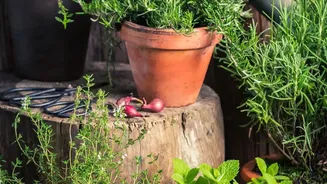
Good drainage starts with the right container and what you put in it. Never use soil directly from a garden bed in your pots; it is too dense, compacts easily, and drains poorly. Instead, use a quality potting mix designed for containers. These mixes are lighter and contain ingredients like coco coir, perlite, or vermiculite. Perlite, the little white specks you see in potting soil, is a volcanic glass that adds aeration and improves drainage. You can buy pre-made mixes or create your own by combining potting soil with compost and perlite for a balanced, free-draining medium. When choosing pots, ensure the drainage holes are not blocked. You can place a piece of a broken terracotta pot or a coffee filter over the hole to prevent soil from washing out, but ensure water can still escape freely.
Matching Plants to Your Space
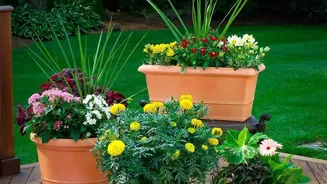
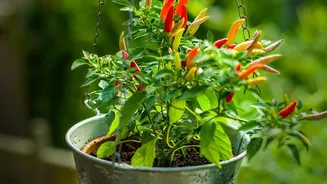
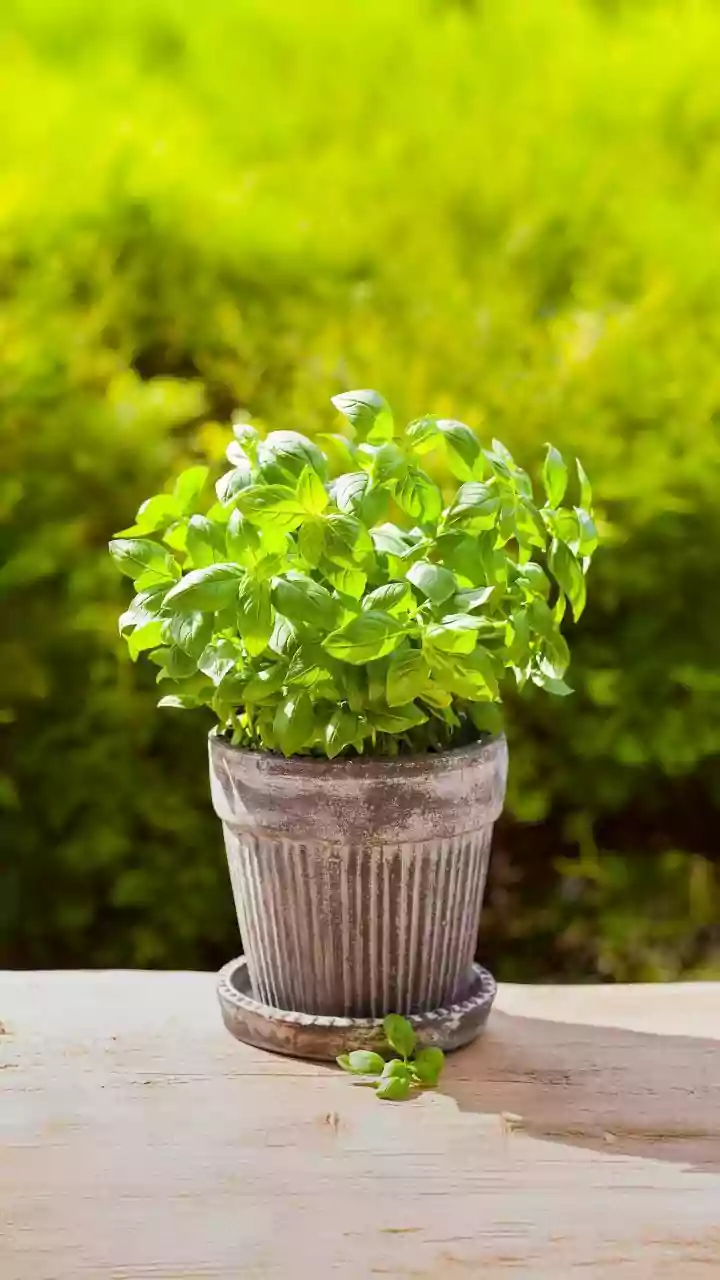
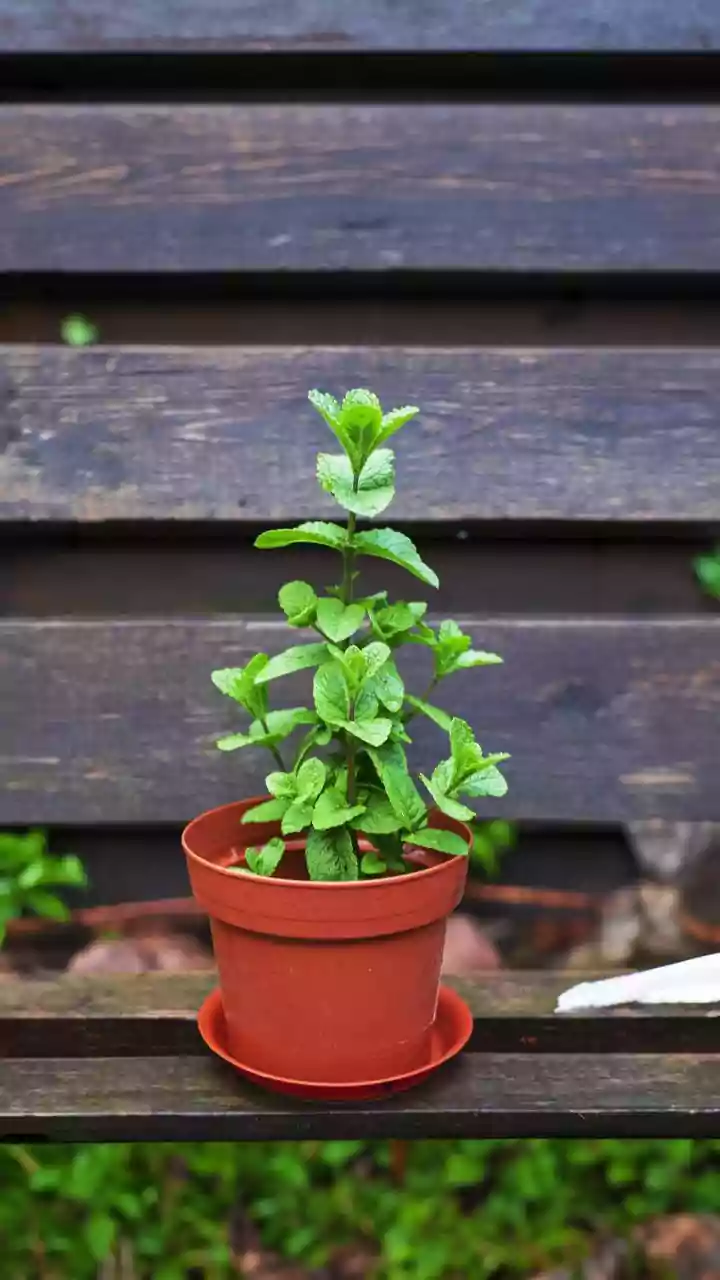
Once you know your sunlight hours and have your well-draining pots ready, the final step is choosing the right plants. For a south- or west-facing balcony in India with over six hours of harsh sun, you'll need heat-tolerant plants. Think bougainvillaea, hibiscus, portulaca (moss rose), and many vegetables like peppers and tomatoes. For an east-facing balcony that gets gentler morning sun, you could try petunias, marigolds, and herbs like mint and parsley. Shadier, north-facing balconies are perfect for lush foliage plants like money plants (pothos), ferns, and caladiums. By aligning your plant choices with your balcony's actual environment, you set yourself up for a rewarding and long-lasting garden.