



The Unassuming Winter Star
Often seen piled high on roadside carts, the guava is a staple winter fruit across many parts of India, including Uttar Pradesh and Maharashtra. While it is available at other times, the winter harvest is often considered sweeter and more fragrant. Known
for its unique floral aroma and a taste that ranges from sweet to tart, this fruit is much more than a nostalgic snack. Its crisp texture and subtly gritty flesh make it a favourite, whether eaten fresh and crunchy or ripened to a soft, fragrant sweetness.
A Vitamin C Powerhouse
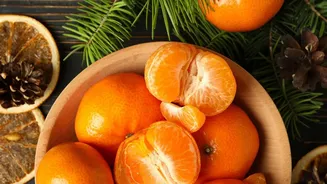
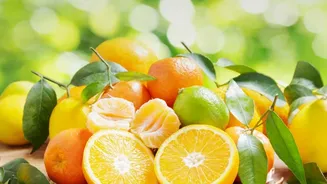
The headline claim to fame for guava is its exceptional Vitamin C content. While oranges are famous for this nutrient, guava contains significantly more. Some studies show it has over four times the Vitamin C of an orange per 100 grams. This makes guava an incredible immunity booster, perfect for the winter season when colds and other respiratory illnesses are more common. Vitamin C is essential for a strong immune response, helping the body fight off infections more effectively. It also plays a vital role in skin health by promoting collagen production.
Full of Beneficial Fibre
Guava is an excellent source of dietary fibre, another key benefit highlighted in the headline. A single fruit can provide a significant portion of your daily recommended fibre intake. This fibre is crucial for maintaining a healthy digestive system. It helps to bulk up stool, promoting regular bowel movements and preventing constipation, a common issue for many. The fibre also helps you feel full for longer, making guava a great, low-calorie snack for those managing their weight.
Beyond Just Vitamins and Fibre
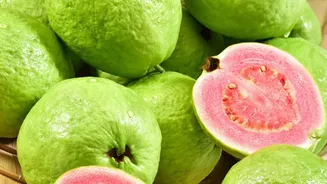
Guava's health benefits don't stop there. It is loaded with other essential nutrients and antioxidants. It's a good source of potassium, which is important for regulating blood pressure and supporting heart health. The fruit, particularly the pink-fleshed variety, is also rich in lycopene, a powerful antioxidant that helps protect cells from damage. Furthermore, guava has a low glycemic index (GI), meaning it releases sugar into the bloodstream slowly. This makes it a suitable and healthy choice for people with diabetes when eaten in moderation.
How to Pick and Enjoy Guava
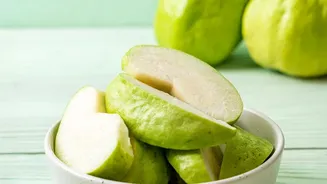
Choosing the perfect guava is simple. Look for fruit that is firm with pale greenish-yellow skin. It should give slightly when pressed gently and have a distinct, sweet, and musky fragrance. Avoid guavas that are rock-hard, as they will be unripe, or those with bruises and soft spots. The entire fruit, including the skin and seeds, is edible and nutritious. In fact, much of the Vitamin C and fibre is found in and just below the skin. The most popular way to enjoy it in India is sliced and sprinkled with a mix of salt and red chilli powder. It can also be added to salads, blended into smoothies, or cooked into jams and jellies thanks to its high pectin content.
A Note on Moderation
While guava is incredibly healthy, it's best enjoyed in moderation. Due to its high fibre content, eating too much in one sitting can lead to digestive discomfort, such as bloating or gas, particularly for those with sensitive stomachs or conditions like Irritable Bowel Syndrome (IBS). The high fructose content can also be a trigger for bloating in some individuals. For most people, however, incorporating a guava a day into their diet is a perfectly healthy and beneficial practice.