


In an era where elections are won and lost online, a simple messaging app became an unlikely kingmaker in Brazil. This is the story of how supporters of Luiz Inácio Lula da Silva transformed a WhatsApp channel into a massive, grassroots digital army.
The Digital Battlefield of Brazil
In Brazil, WhatsApp is more than just a chat app; it is a primary channel for news, social life, and, increasingly, politics. With a vast majority of the country's internet users active on the platform, it has become a crucial battleground for political influence. For years, Brazil's right-wing, particularly supporters of former president Jair Bolsonaro, dominated this digital space, building extensive networks to spread messages and mobilize voters with incredible efficiency. Lula's 2022 campaign had struggled to match this online firepower. However, during the 2026 presidential runoff, his supporters engineered a stunning turnaround by adopting and adapting these very tactics.
The Birth of 'Lula's Army'
The turning point came after a disappointing first-round result in the 2026 election, which left Lula trailing his rival, Flávio Bolsonaro. In response, Congressman André Janones, a savvy social media user, took charge of a pre-existing WhatsApp channel he had created called 'Exército do Lula', or 'Lula's Army'. What started with around 60,000 followers exploded in just three weeks, growing to nearly 11 million subscribers. This wasn't an official campaign initiative but a grassroots movement that quickly became the digital heart of Lula's comeback. Janones, dubbed 'our general' by Lula himself, became the central figure, issuing daily directives to his new digital troops.
Daily 'Missions' and Gamified Politics
The channel's strategy was both simple and effective. Janones assigned daily 'missions' to his millions of followers. These weren't complex tasks but direct, urgent calls to action. Supporters were instructed to share specific campaign videos, push certain hashtags to make them trend, create and circulate memes, and even use Google searches to boost pro-Lula topics. Janones addressed followers as 'soldiers', using urgent, capitalized messages like 'GUYS, URGENT!' to create a sense of immediacy and collective purpose. This approach, described by experts as 'electoral gamification', transformed passive supporters into active digital campaigners, giving them a clear role and a sense of shared community.
Beating the Right at Its Own Game
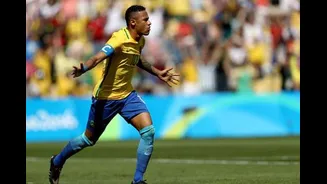
For years, Brazil's left had been seen as lagging in the digital arena. 'Lula's Army' changed that by consciously adopting the aggressive and relentless style of its political opponents. The channel encouraged supporters to produce their own personalized content rather than just reposting official ads, making the messaging feel more authentic and harder to ignore. One successful mission involved reclaiming the iconic yellow Brazil football jersey, a symbol that had been co_opted by the right, by having supporters post photos of themselves wearing it while making an 'L' for Lula. This digital_first approach allowed the campaign to bypass traditional media and social media algorithms that they felt were biased against them.
A New Blueprint for Digital Campaigning?
While political analysts caution that it's difficult to empirically prove the channel's direct impact on the final vote, many credit it with energizing the base, boosting morale, and reducing voter abstention. The strategy successfully mobilized millions of extra voters in the runoff, a crucial factor in Lula's victory. The success of 'Lula's Army' demonstrates how a one_way communication tool like a WhatsApp Channel can be transformed into a coordinated network. By providing simple, repeatable tasks and fostering a strong sense of community, it created a powerful force for political mobilization. Lula himself acknowledged its importance, asking Janones not to let the 'army' disperse after the victory.