






The Monsoon's Shortfall
The southwest monsoon is the lifeblood of India's agrarian economy, delivering about 70% of the country's annual rainfall. However, the 2026 season concluded with a significant deficit. Official data indicates that rainfall was substantially below the long-period
average, making it one of the weakest monsoons in recent years. The impact of the El Niño phenomenon was widely cited as a primary cause for the subdued rainfall. This deficit wasn't uniform; while some regions faced near-drought conditions, others experienced intense but brief spells of rain that did little to help soil moisture. States like Karnataka, Maharashtra, Telangana, and Andhra Pradesh have been particularly hard-hit, with large areas declared to be under drought.
From Fields to Finances
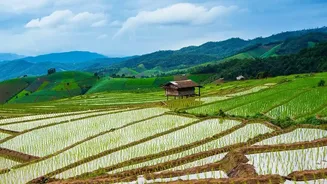
The direct consequence of a poor monsoon is a stressed agricultural sector. The kharif (summer) crop season, which is heavily dependent on monsoon rains, has been challenging. Though overall acreage sown was only slightly below last year, thanks to early preparedness and a shift to less water-intensive crops, the final yield remains a major concern. Key crops like rice, cotton, and soybeans have faced significant moisture stress, particularly in rain-fed areas. This directly translates to lower farm incomes. When harvests are poor, farmers have less produce to sell, and the income of agricultural labourers, who depend on farm work, also shrinks. The financial strain is already visible, with reports of farmers cutting back on spending on seeds and fertilisers to conserve cash. This has a cascading effect on the entire rural economy.
A Muted Market Outlook
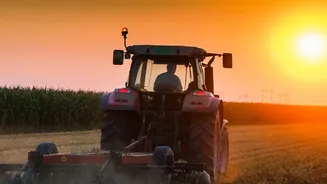
The festive season, from Dussehra to Diwali, is typically a period of peak consumption in India, driven largely by rural demand. With healthy farm incomes, families spend on new clothes, vehicles, consumer electronics, and gold. This year, however, the outlook is subdued. Early indicators from September 2026 already show signs of stress, with a notable drop in the sales of tractors and two-wheelers—key barometers of the rural economy's health. Major tractor manufacturers have reported a significant year-on-year decline in sales. While urban demand for items like passenger cars remains strong, the weakness in rural spending is a cause for concern for companies across fast-moving consumer goods (FMCG), automobiles, and other sectors that rely on the agricultural heartland for a substantial part of their annual sales.
The Cultural Cost of Austerity
Beyond the economic data lies a deep cultural impact. Festivals are a time of social cohesion, celebration, and familial bonding in India. For many rural families, it's the one time of year they allow themselves to splurge on new things for the home and loved ones after a successful harvest. A tough festive season means more than just a dip in sales figures; it signifies a period of austerity where joy is tempered by financial worry. For small shopkeepers and local artisans in towns and villages, who depend on this annual surge in spending, a slowdown can be devastating. As one sari shop owner in north India noted, the three months of the festive and wedding season often decide the entire year's profit. A contraction in spending means a difficult year ahead for these small businesses as well.
Looking for Relief
The government has acknowledged the challenges. Several states have already declared drought and sought central assistance to provide relief to farmers. Contingency plans are being prepared for the upcoming rabi (winter) sowing season, with a focus on managing low water levels in reservoirs and depleted soil moisture. Farmers are being advised to opt for drought-resistant seeds and less water-intensive crops. There is also talk of managing food inflation, which is a major risk, through measures like lowering import tariffs on pulses to ease pressure on household budgets. However, for millions in rural India, the immediate focus is on navigating a festive season where budgets are tighter and the future, much like the monsoon, feels uncertain.