



What Exactly Is a 'Clean' Snack?
In a world of confusing food labels, 'clean eating' has become a popular goal. At its core, a 'clean' snack is one that is unprocessed or minimally processed. It’s food in its most natural state, free from artificial preservatives, colours, flavours,
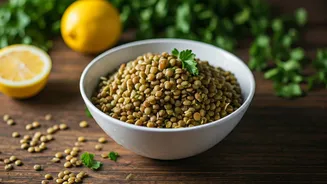
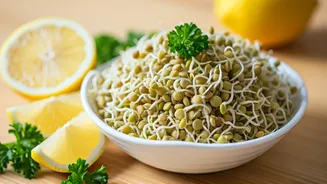
and refined sugars. Think fresh fruits, raw vegetables, nuts, and, as we'll explore, sprouted legumes. This approach isn’t about restriction; it's about choosing whole foods that nourish your body from the inside out. A sprouted lentil mix fits this definition perfectly. It starts with a humble, natural ingredient and uses only water and time to unlock its full nutritional potential, making it the opposite of a factory-made, packaged snack.
The Nutritional Magic of Sprouting
Why sprout lentils instead of just boiling them? Sprouting is a germination process that fundamentally transforms the nutritional profile of the lentil. When a lentil begins to sprout, it activates enzymes that make it easier to digest. This process breaks down anti-nutrients like phytic acid, which can interfere with the absorption of essential minerals like iron, zinc, and calcium. As a result, your body can access more of the good stuff. Furthermore, sprouting significantly increases the levels of certain vitamins, particularly Vitamin C and B vitamins. You also get a boost in protein and fibre, making the snack incredibly satiating and great for gut health. In short, sprouting turns a simple dal into a nutritional powerhouse.
How to Sprout Lentils at Home
Making your own sprouted lentils is surprisingly simple and requires no special equipment. Here’s a foolproof method:
1. **Choose Your Lentils:** Whole lentils like green moong dal (sabut moong) or masoor dal (sabut masoor) work best. Avoid split lentils (dal) as they won't sprout.
2. **Wash and Soak:** Take about half a cup of whole lentils, rinse them thoroughly, and soak them in a large bowl with plenty of water for 8-12 hours, or overnight.
3. **Drain and Rest:** After soaking, drain all the water completely. You can use a fine-mesh sieve or a muslin cloth. Rinse the lentils one more time with fresh water.
4. **Sprout:** Place the drained lentils in a container or leave them in the sieve, covering it with a plate or a damp cloth. Keep them in a warm, dark place. Rinse and drain the lentils every 8-12 hours to keep them moist and prevent bacterial growth.
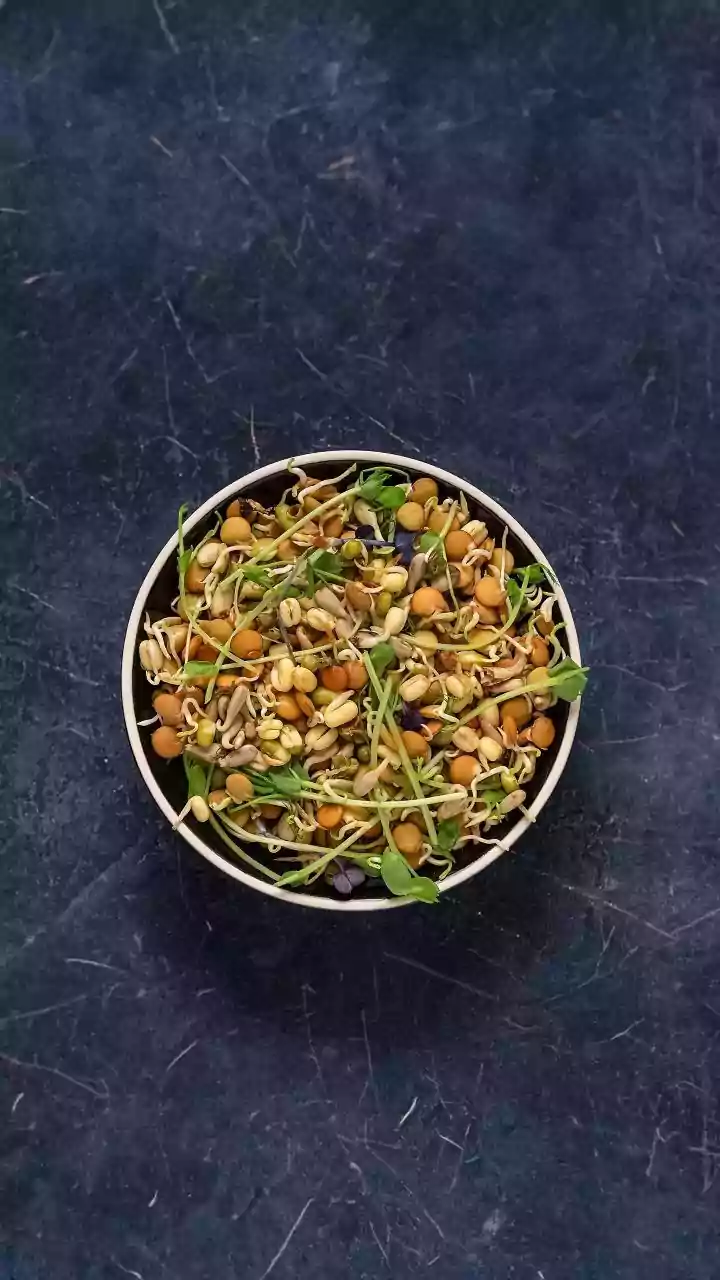
5. **Wait for the Magic:** Within 24-48 hours, you'll see tiny white tails emerging from the lentils. Your sprouts are ready! You can let them grow a bit longer for a crunchier texture, but don't wait too long as they can turn bitter.
Crafting the Zesty Lemon Mix
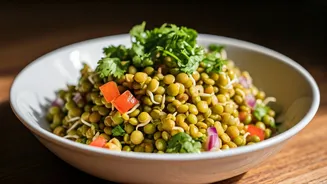
Once your sprouts are ready, turning them into a delicious snack takes only a few minutes. This simple recipe is endlessly customisable, like a classic chaat. For about two cups of sprouted lentils, you'll need:
* **The Base:** Your freshly made sprouted lentils.
* **The Crunch:** 1 small onion and 1 small tomato, finely chopped. You can also add chopped cucumber for extra freshness.
* **The Flavour:** Juice of half a lemon (or to taste), 1/2 teaspoon of chaat masala, and a pinch of black salt (kala namak). For a little heat, add a finely chopped green chilli.
* **The Garnish:** A generous handful of fresh, chopped coriander (dhaniya).
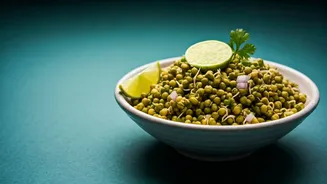
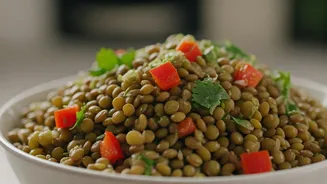
Simply combine all the ingredients in a large bowl, mix well, and serve immediately. The combination of the earthy sprouts, the sharp lemon, the savoury chaat masala, and the fresh vegetables creates a flavour explosion that is both satisfying and incredibly healthy.
More Than Just a Snack
While this mix is perfect as a standalone mid-day or evening snack, its versatility is a major part of its appeal. Don’t just limit it to a bowl. You can use this sprouted lentil mix to add a protein and fibre boost to other meals. Toss it into a green salad for added texture and nutrition. Use it as a filling for wraps or sandwiches. You can even mix it into your regular bhel puri to make it healthier or serve it as a refreshing side dish (a kachumber) with your main meals like dal-rice or roti-sabzi. It's an easy way to incorporate more raw, living foods into your diet without a lot of effort.