

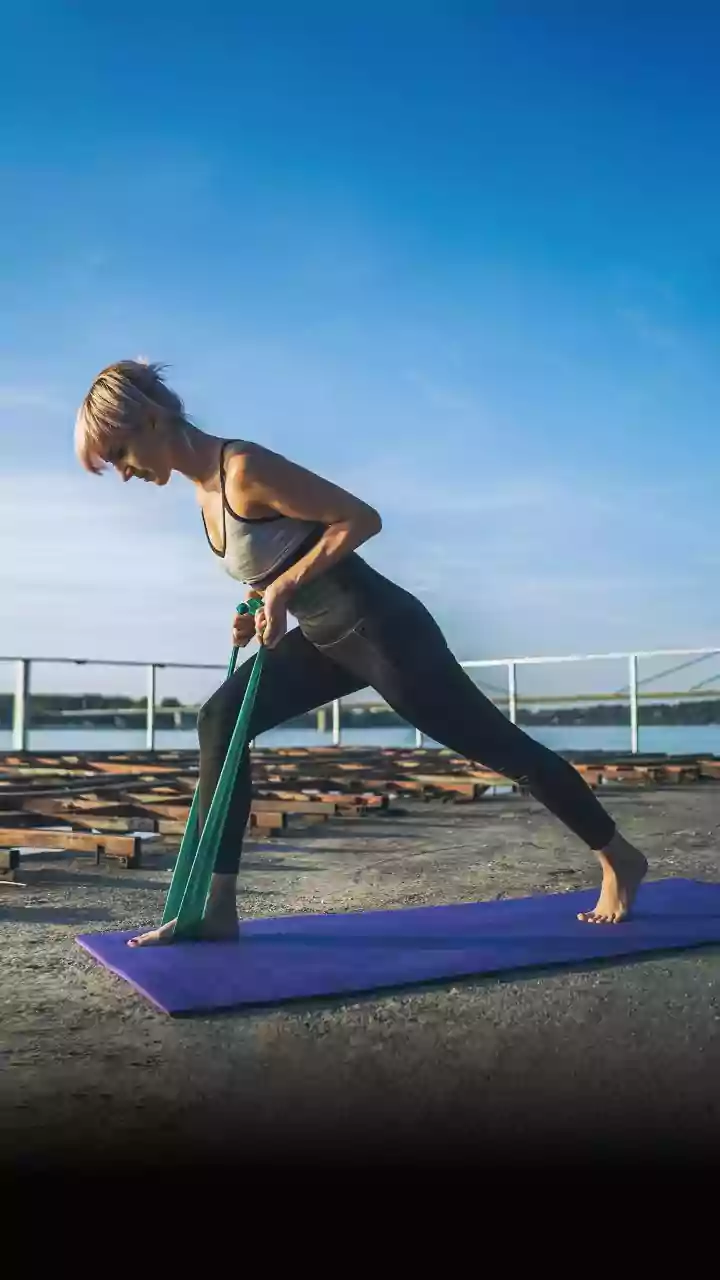
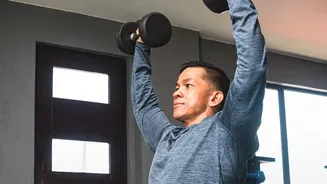
When building a powerful lower body, squats often steal the spotlight. But are you missing a key ingredient for truly balanced strength? Here’s what you need to know about what lunges bring to the table and why it's not a case of one versus the other.
The Squat: Your Foundation for Power
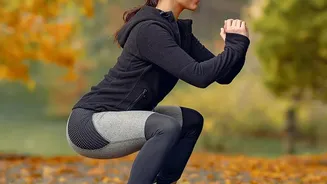
The squat is a titan of lower-body exercises for a reason. As a bilateral movement, it trains both legs simultaneously, making it ideal for building overall strength and muscle mass. When you squat, you engage multiple major muscle groups at once, including the quadriceps, hamstrings, and glutes. This compound movement is also highly functional, mimicking everyday actions like sitting down, standing up, and lifting heavy objects. Because you can progressively add significant weight, squats are unparalleled for developing raw power and stimulating a hormonal response that aids in muscle growth. Think of the squat as the bedrock of your leg day—the fundamental movement for building a solid and powerful base.
The Lunge: Unilateral Strength and Stability
If the squat is about raw power, the lunge is about refined stability and balance. As a unilateral exercise, the lunge works one leg at a time. This single-leg focus is incredibly effective for identifying and correcting muscle imbalances between your left and right sides, something a squat can often mask. Lunges force the smaller stabilizing muscles in your hips, knees, and ankles to work overtime to keep you steady. This improved balance and coordination is vital not just for athletic performance but for everyday movements like climbing stairs or navigating uneven ground. By challenging each leg independently, lunges build a type of functional, real-world strength that bilateral exercises alone cannot.
A Deeper Dive into Muscle Activation
While both exercises target similar muscles, they emphasize them differently. Squats are fantastic for overall quad development. Lunges, however, place a greater demand on stabilization, which means they do a better job of activating muscles like the gluteus medius (the side of your hip) and the adductors and abductors (inner and outer thighs). In fact, some research suggests that lunges can produce significantly greater glute activation than squats when performed at a similar intensity. This is because the unilateral nature of the lunge requires your glutes to work harder to stabilize your pelvis and prevent your knee from caving inward.
The Best of Both Worlds: A Combined Approach
The debate shouldn't be 'squats vs. lunges' but rather 'squats and lunges'. For a truly comprehensive lower body routine, you need both. Squats build your foundation of strength and size, while lunges refine that strength, improve your stability, and shore up weaknesses. Combining them ensures you are not just strong, but also balanced and resilient. You can program them in various ways. Some people prefer to dedicate separate days to bilateral and unilateral movements. Others perform both in the same workout; for example, starting with heavy squats to build strength and finishing with lunges to address stability and muscle endurance. A combination of both exercises can lead to better overall results.
Proper Form for Maximum Gains and Safety
To reap the benefits, proper form is nonnegotiable for both exercises. For squats, focus on keeping your chest up and back straight, and think about sitting your hips back and down. For lunges, a common mistake is letting the front knee travel too far past the toes, which can stress the joint. Instead, focus on dropping your hips straight down, creating 90 degree angles with both knees. Ensure your front knee tracks in line with your foot and doesn't collapse inward. If you experience knee discomfort during forward lunges, try reverse lunges, as they often place less pressure on the knee joint while offering similar benefits.