


Why Naggar Is Your Ideal Autumn Office
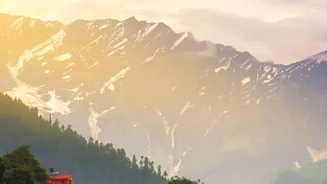
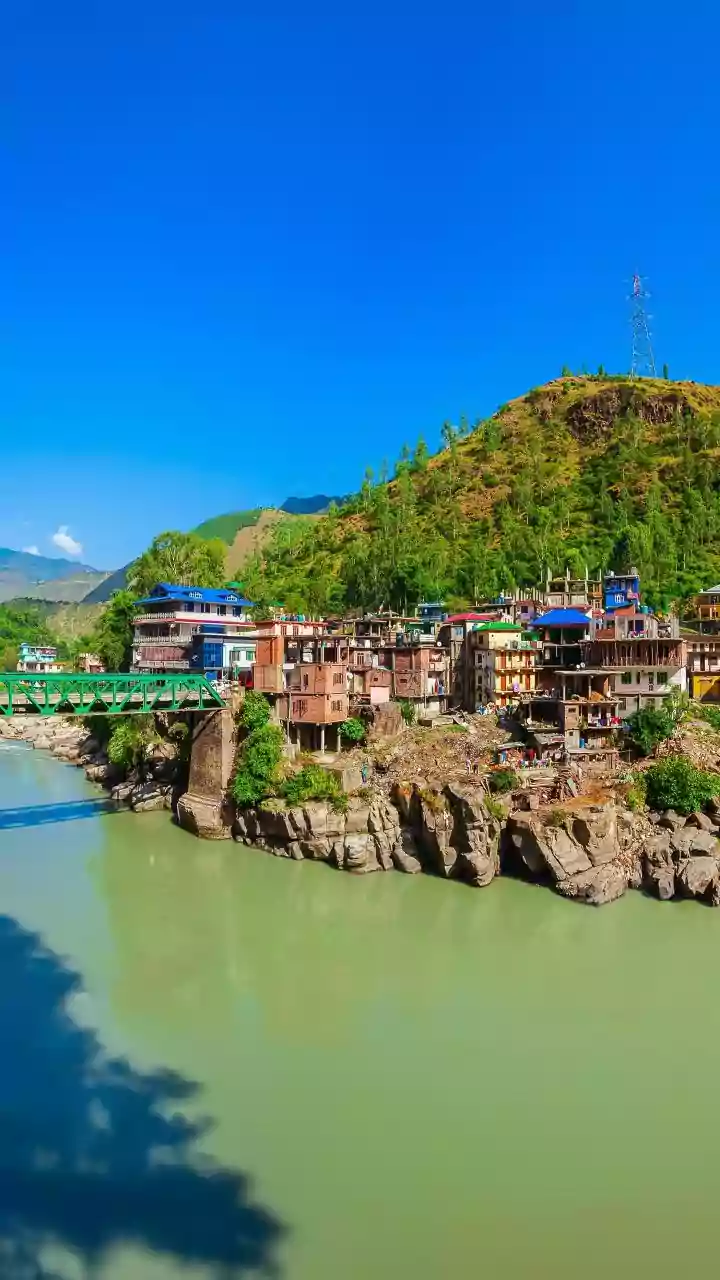
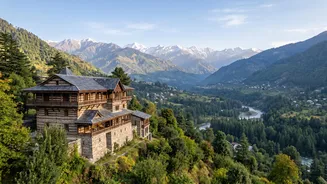
While many flock to bustling Manali, Naggar offers a quieter, more contemplative alternative just 22 kilometres away. This historic town, once the capital of the Kullu kingdom, is a haven of tranquillity, especially in the autumn months of September and
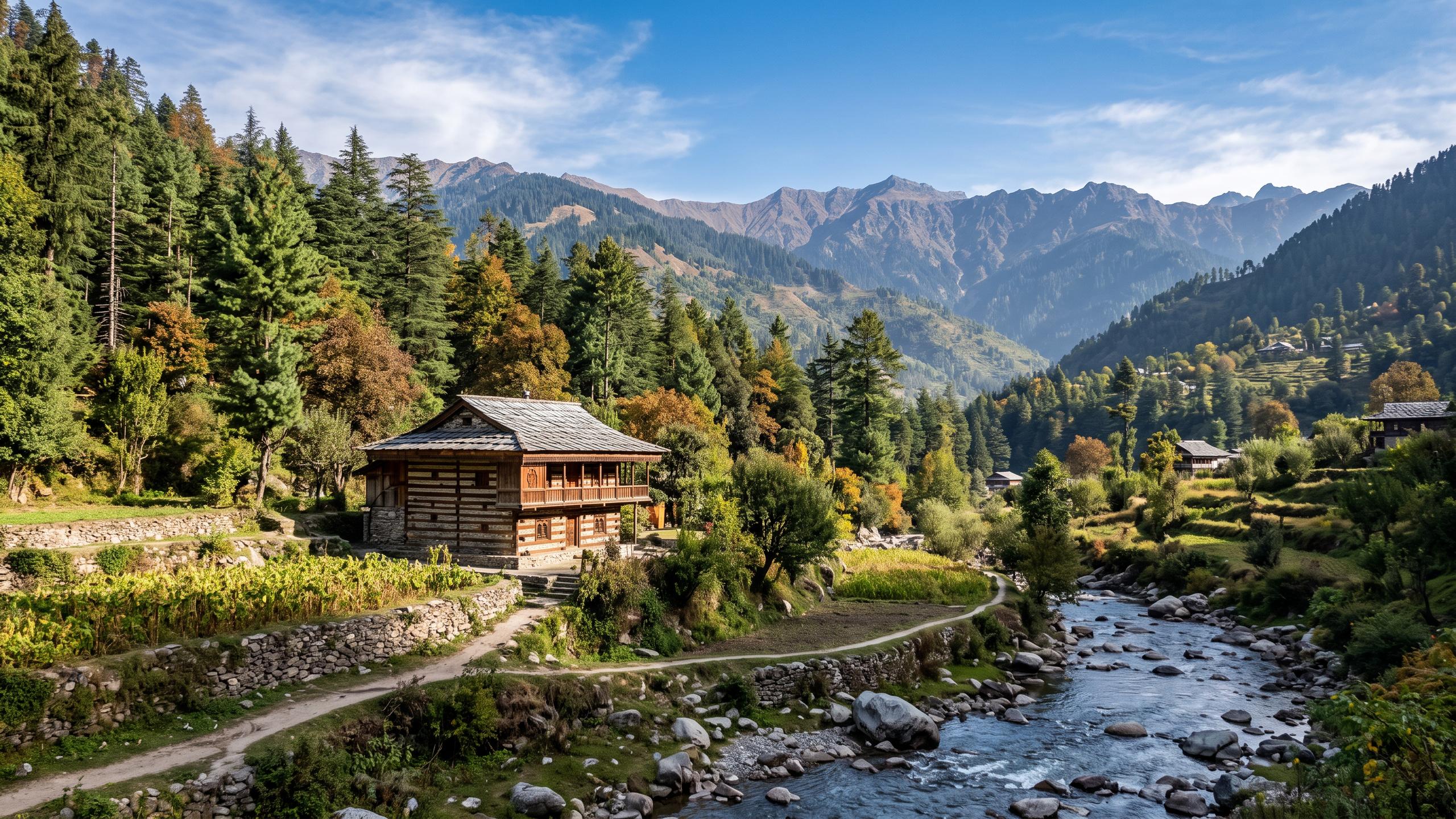
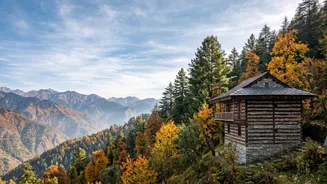
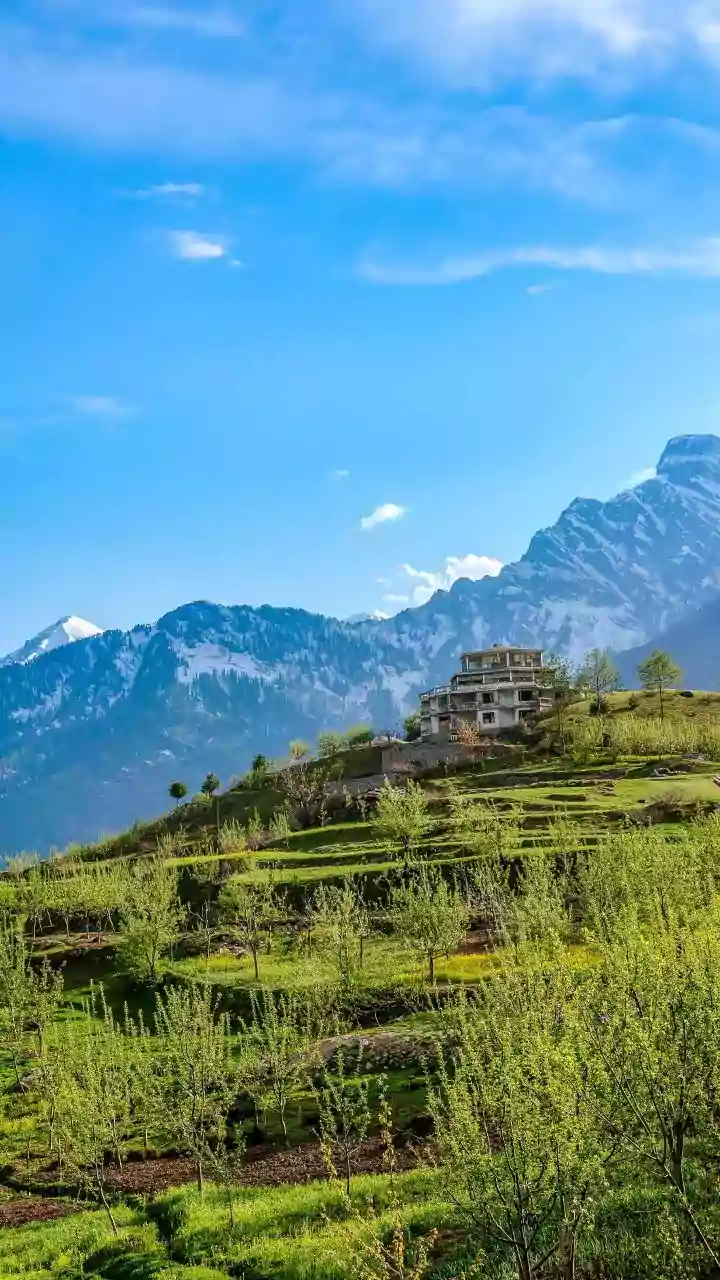
October when the monsoon rains have passed and the landscape is crisp and clear. The air is fresh, the Beas River flows peacefully, and the surrounding deodar forests create a perfect backdrop for focused work. Unlike crowded tourist hubs, Naggar provides a slower pace of life, allowing you to immerse yourself in nature and local Himachali culture without sacrificing the infrastructure needed for a productive workday. The town is steeped in history, with attractions like the 15th-century Naggar Castle and the famous Roerich Art Gallery providing inspiration after a day's work.
Finding Your Productive Paradise: Stays and Co-Living
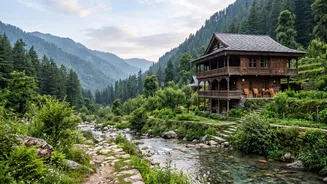
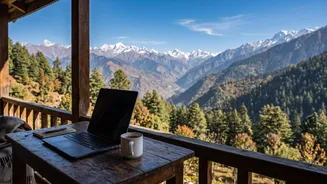
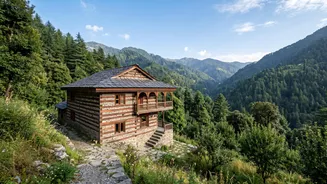
The term 'co-living' in Naggar often translates to a vibrant community of work-friendly hostels and homestays designed for digital nomads and long-term travellers. Places like Pahadi Robinhood and GoStops are explicitly designed for remote workforces, offering a mix of dorms and private rooms. For those seeking a homestay experience, properties such as 'Ghar in the Hills' provide rooms and duplexes with dedicated workspaces, kitchen access, and valley views. Many of these accommodations are not just places to sleep; they are community hubs where you can connect with fellow travellers, creators, and remote professionals. The key is finding a balance between the social aspect of a hostel and the privacy needed for deep work, which many of Naggar's stays successfully provide.
The All-Important Wi-Fi Question
The biggest concern for any digital nomad is internet reliability, and Naggar has made significant strides. Many homestays, hostels, and cafes have installed fibre optic internet, with providers like Jio and Airtel offering stable connections. Speeds between 40-100 Mbps are becoming increasingly common, which is more than sufficient for video conferencing, cloud-based work, and large file transfers. However, it's always wise to confirm directly with your chosen accommodation. Ask for a recent speed test screenshot from inside the room you'll be using. As a backup, 4G mobile connectivity for Jio and Airtel is generally strong in the main village area, making a mobile hotspot a reliable safety net. Several cafes, like German Bakery and Naggar Delight Cafe, also offer good Wi-Fi, providing a change of scenery for your workday.
A Look at the 'Affordable' Tag
Naggar stands out for its affordability, especially when compared to major cities or even other popular mountain towns. A bed in a hostel dorm can cost between ₹600-₹1000 per night, while private rooms in homestays or hostels are also reasonably priced. For longer stays, many places offer discounted monthly rates, which can be as low as ₹20,000 for a room. Food is also economical, with local dhabas and cafes offering delicious meals for a fraction of city prices. A two-day trip can be managed within a budget of ₹5000-₹7000, making a month-long workation an attainable goal without breaking the bank. This combination of low living costs and essential amenities is what makes Naggar a true value proposition for remote workers.
Beyond the Laptop: Exploring Naggar's Charm
A workation isn't just about work. Naggar offers plenty to explore once you shut your laptop. You can wander through the historic Naggar Castle, an impressive structure of wood and stone with panoramic views of the Kullu Valley. Art lovers can spend hours at the Roerich Art Gallery and Estate, which preserves the legacy of the Russian artist Nicholas Roerich. For a bit of exercise, a short, steep hike will take you to the Krishna Temple, offering even more stunning vistas. The surrounding area is crisscrossed with trails perfect for evening walks through apple orchards or more strenuous day treks. The village itself, with its traditional Kath-kuni architecture and friendly locals, invites slow, mindful exploration.