
The End of the ‘Guest-Only’ Room
For generations, the drawing room was the formal face of the Indian home. A descendant of the colonial-era withdrawing room, it was a space designed less for living and more for display. Its primary role was to impress visitors, acting as a marker of class
and status, often featuring the best furniture and remaining off-limits to the family for daily use. Children were shooed away, cushions were kept perfectly plumped, and a sense of formality hung in the air. This room was a stage set for a social performance, used only when guests were present. The rest of the time, family life happened elsewhere, in smaller, more functional corners of the house. That era is decisively over. The modern living room has shed its formal skin, transforming from a showpiece into the hardworking heart of the home.
A Cascade of Catalysts
Several forces have converged to dismantle the formal drawing room. The first is the evolution of the Indian family itself—more nuclear families in urban settings meant less need for rigid, hierarchical spaces. But the greatest accelerator was undoubtedly the pandemic. Overnight, homes had to become offices, classrooms, gyms, and entertainment hubs. The living room was conscripted for Zoom calls, online classes, and family movie nights. A room that was once purely for show suddenly needed to be profoundly functional. This intense, prolonged period at home forced a fundamental re-evaluation of space. Homeowners realised that every square foot was precious and couldn't be wasted on a room that was rarely used. This sparked a demand for larger homes, or more accurately, homes with smarter, more adaptable layouts.
Flexibility is the New Luxury
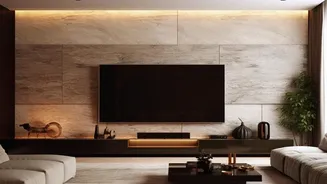
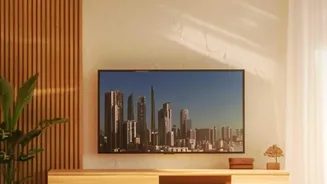
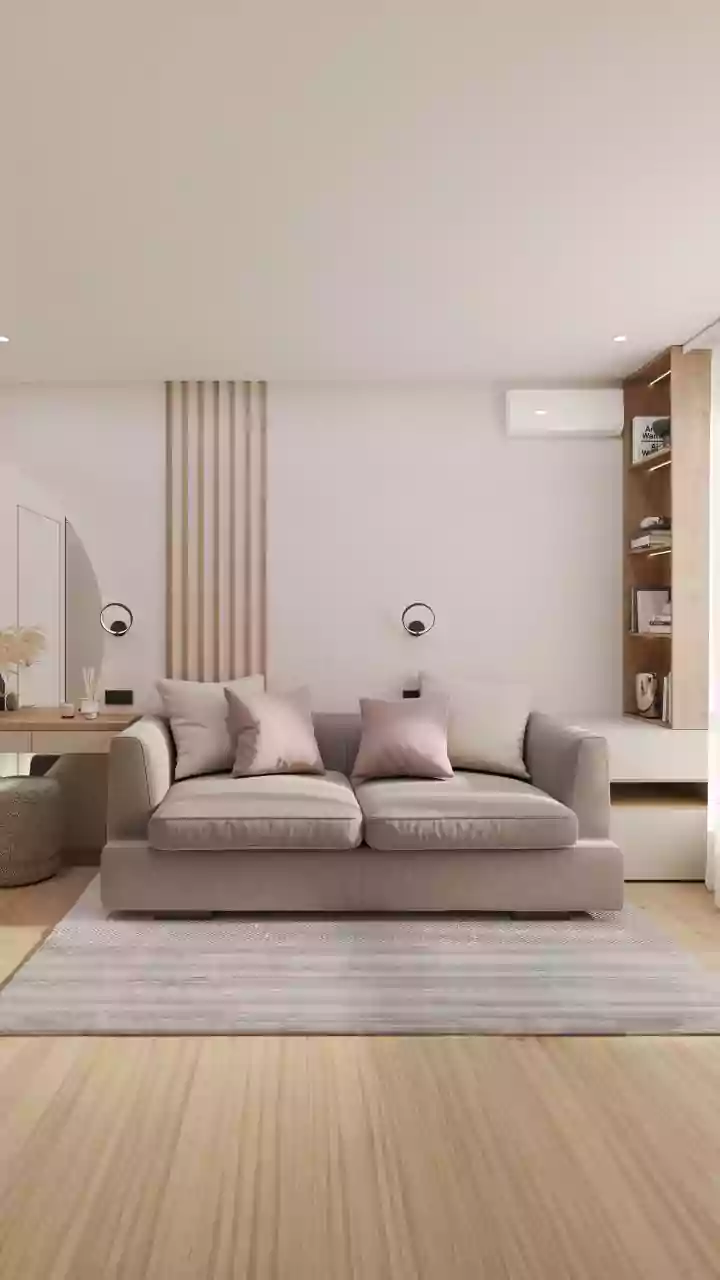
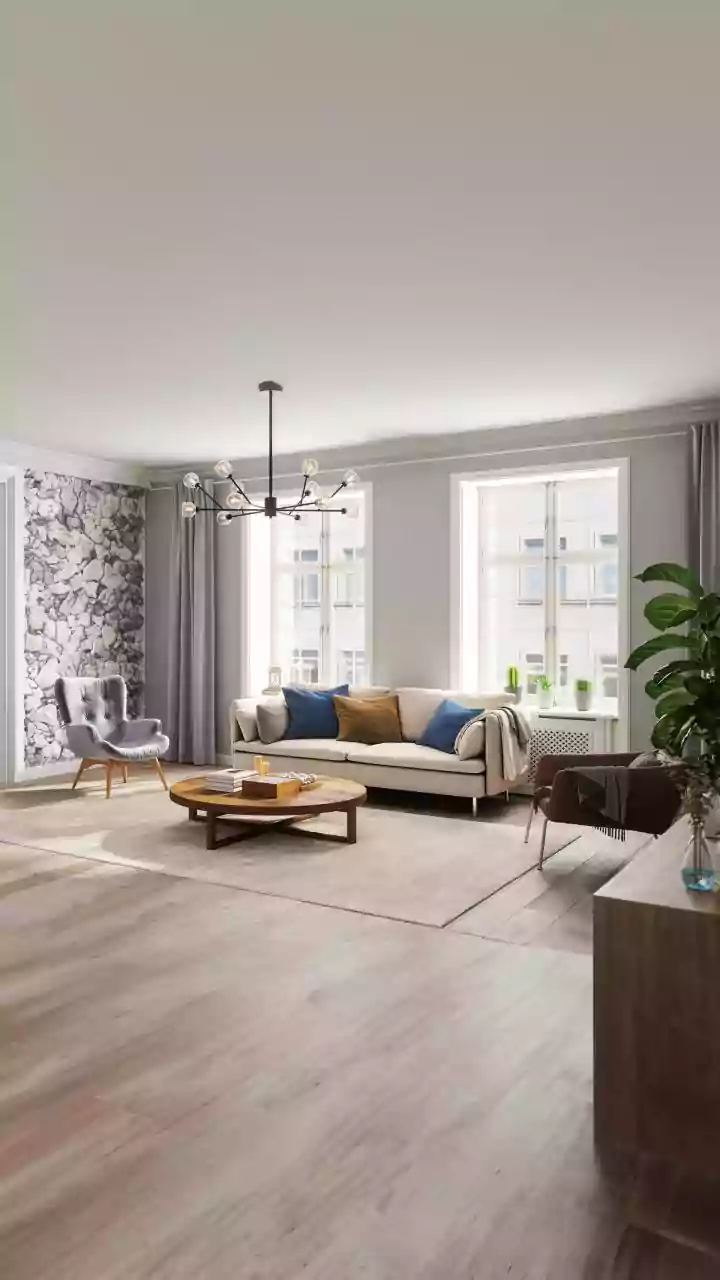
Today’s luxury isn't about vast, empty spaces; it's about adaptability. A flexible living room is one that can seamlessly transition between multiple functions. In practice, this is achieved in several ways. Multifunctional furniture is no longer a niche product but a mainstream necessity. Think sofa-cum-beds, coffee tables with hidden storage and pop-up work surfaces, and expandable dining tables that can accommodate both daily meals and festive gatherings. Open-plan layouts, which combine living, dining, and kitchen areas, have become the default in new urban constructions. They create a feeling of spaciousness even in smaller apartments and keep the family connected. To prevent these large spaces from feeling chaotic, designers use clever 'zoning' techniques—using a large rug to anchor a seating area, placing a console table behind a sofa to create a visual divider, or using distinct lighting to demarcate the dining zone from the lounge area.
Designing for Life, Not for Show
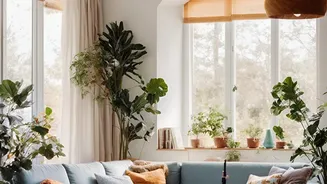
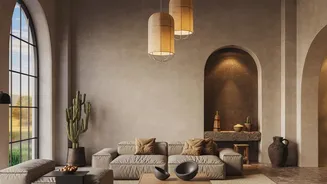
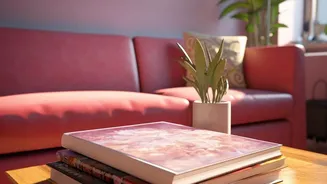
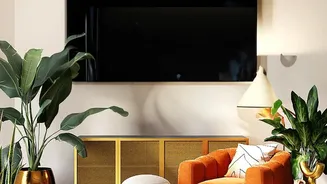
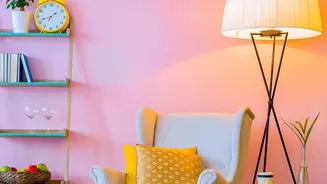
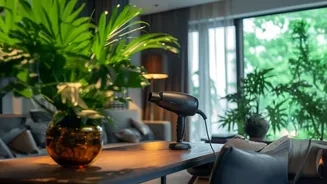
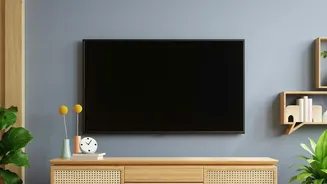
This functional shift is accompanied by a profound change in aesthetics. The focus has moved from impressing others to nurturing the self. Comfort, personality, and authenticity are the new watchwords. The trend is moving away from cold, clinical greys and whites toward warm, earthy palettes of terracotta, beige, and olive green that feel grounding. There's a renewed appreciation for natural materials like solid wood, rattan, and cane, and for handcrafted details that tell a story. Furniture is becoming softer and more organic, with curved silhouettes replacing sharp, geometric lines. This new design language is less about announcing wealth and more about creating an atmosphere of calm and comfort. It is about designing a sanctuary that reflects the tastes and supports the daily rituals of the people who actually live there, rather than catering to an imaginary audience of guests.