


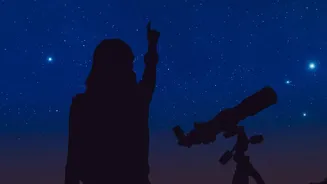
What to See: The Main Events
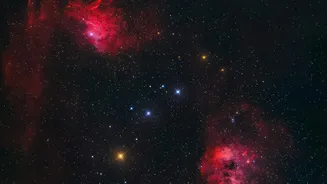
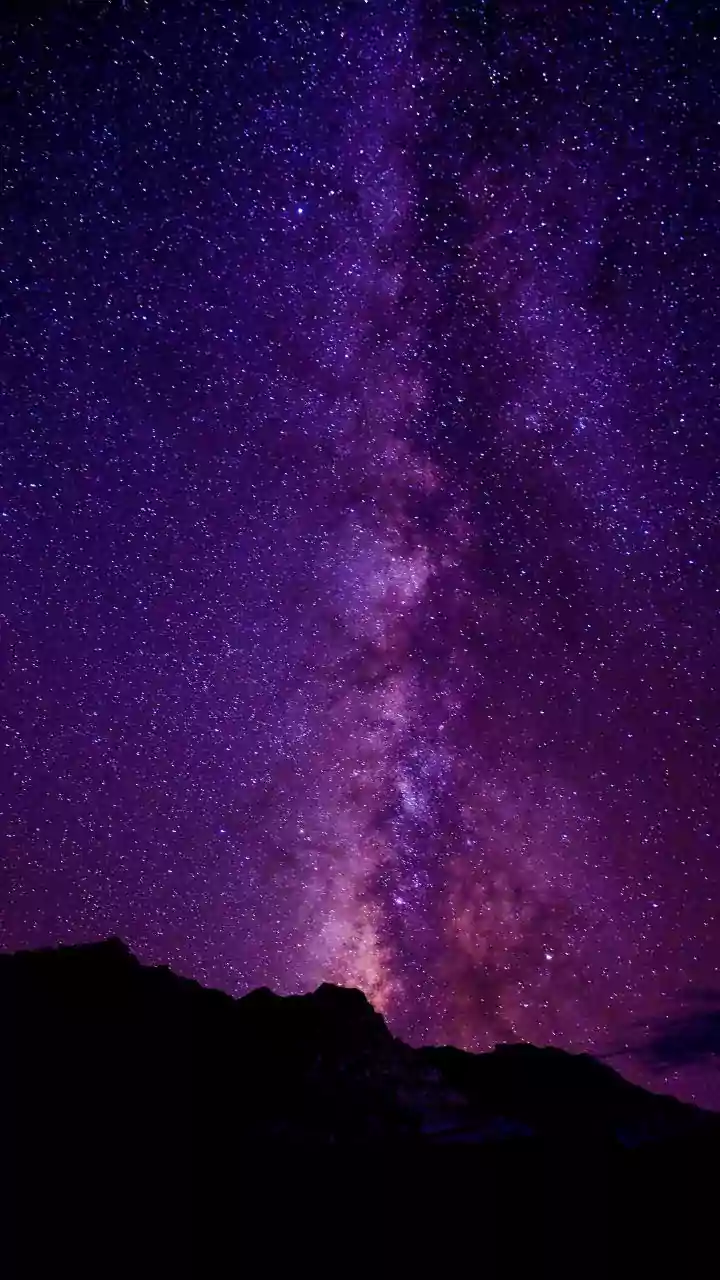
Late August offers a rich celestial tapestry. The heart of our own galaxy, the Milky Way, is a magnificent band of light stretching across the sky, best viewed away from city lights. Look for the Summer Triangle, an unmistakable asterism formed by three
bright stars: Vega in the constellation Lyra, Deneb in Cygnus, and Altair in Aquila. In the southern part of the sky, the constellation Sagittarius, often pictured as a teapot, is prominent. This region is particularly dense with stars and nebulae because it points toward the center of the Milky Way. As for planets, late August 2026 offers a treat in the pre-dawn sky. Reddish Mars and yellowish Saturn will be visible, rising in the east. Super-bright Venus will dominate the early evening sky in the west. For those with binoculars or a telescope, Uranus and Neptune also join the pre-dawn planetary parade.
Timing and The Moon
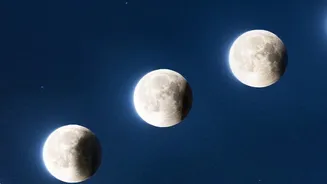
The single most important factor for a successful stargazing session is darkness. This means escaping light pollution and, crucially, avoiding a bright Moon. The full Moon on August 28, 2026, will wash out fainter stars, so you should plan your session for the weeks prior. The period around the New Moon on August 12 is ideal, providing the darkest possible skies. In fact, this moonless period makes 2026 an excellent year for watching the tail end of the Perseid meteor shower, which is active until around August 24. While its peak is on August 12-13, you can still catch straggler meteors in the days that follow. The best viewing time is always after midnight and before the first light of dawn, when the sky is at its darkest and your target constellations are higher above the horizon.
Location, Location, Location
To truly appreciate the night sky, you need to get away from the glow of city lights. Light pollution drastically reduces the number of visible stars. For residents of India, designated dark-sky locations like the Hanle Dark Sky Reserve in Ladakh or areas in Spiti Valley, the Rann of Kutch, and Jaisalmer offer pristine viewing conditions. However, you don't need to travel to a famous reserve. Simply driving an hour or two away from a major urban centre can make a world of difference. Look for a spot with an open view of the sky, particularly to the south to see the core of the Milky Way and Sagittarius. High-altitude locations are even better, as there's less atmosphere to look through. Check a light pollution map online to find a dark site near you, and make sure you have safe and legal access to the area at night.
The Stargazer’s Essential Kit
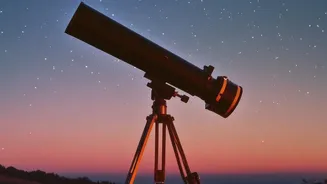
You don't need expensive equipment to enjoy the night sky, but a few items can make the experience much more comfortable and rewarding. First, dress in layers. Even on a warm summer day, the temperature can drop significantly late at night. A comfortable reclining chair or a thick blanket will save you from neck strain. To see faint objects, your eyes need about 20-30 minutes to fully adapt to the dark. To preserve your night vision, use a red-light torch instead of a white one, as red light has a minimal impact on your eyes' dark adaptation. Binoculars are a fantastic tool for beginners, offering breathtaking views of the Moon's craters, star clusters like the Pleiades, and the larger nebulae. Of course, bring along some snacks and a warm drink to stay comfortable while you watch the cosmic show.
Your Digital Guide to the Cosmos
While printed star charts are classic, modern technology makes navigating the night sky easier than ever. Smartphone apps like Star Walk 2, SkyView, or Stellarium use your phone's GPS and compass to create a real-time map of the sky. Simply point your phone at a bright star or constellation, and the app will identify it for you. These apps are invaluable for locating planets, distinguishing between constellations, and finding out when specific objects will rise and set. Many also have a 'night mode' that turns the interface red to protect your dark-adapted vision. They can show you the paths of satellites and the location of the Perseid meteor shower's radiant point in the constellation Perseus. Using one of these apps is like having a personal astronomer in your pocket, ready to answer your questions as you explore the heavens.