




The Familiar Post-Lunch Slump
For many corporate workers, the afternoon is a battleground. You return from lunch only to find your energy levels plummeting a few hours later. This familiar slump often brings intense cravings for something sweet or savoury—think biscuits, chips, or a sugary
chai. While it feels like a normal part of the workday, this cycle is often a direct result of our food choices. Lunches heavy in refined carbohydrates like white rice or naan cause a rapid spike in blood sugar, followed by an equally rapid crash. This crash is what leaves you feeling tired, unfocused, and reaching for a quick, often unhealthy, fix. Studies have shown that employees who eat unhealthily are significantly more likely to experience 'presenteeism'—being physically at work but mentally checked out.
Decoding the 'Fullness Factor'
This is where the Satiety Index (SI) comes in. Put simply, the SI is a scientific ranking of how full a food makes you feel relative to the calories it contains. Developed by researchers, it uses white bread as a baseline with a score of 100. Foods that score higher than 100 are more filling, while those that score lower are less so. Foods that are high in protein, fibre, and water content tend to have a higher satiety score. For example, boiled potatoes score a remarkable 323. The goal for anyone trying to manage hunger is to choose foods with a higher SI, as they keep you feeling satisfied for longer, reducing the likelihood of snacking between meals.
The Wisdom of Traditional Grain Malts
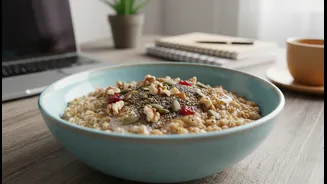
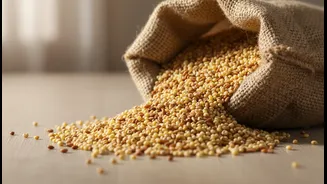
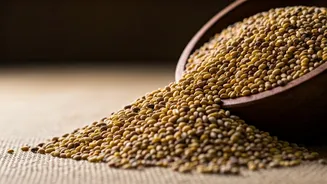
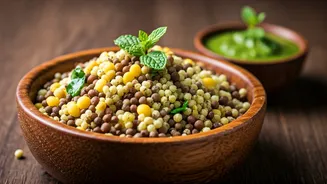
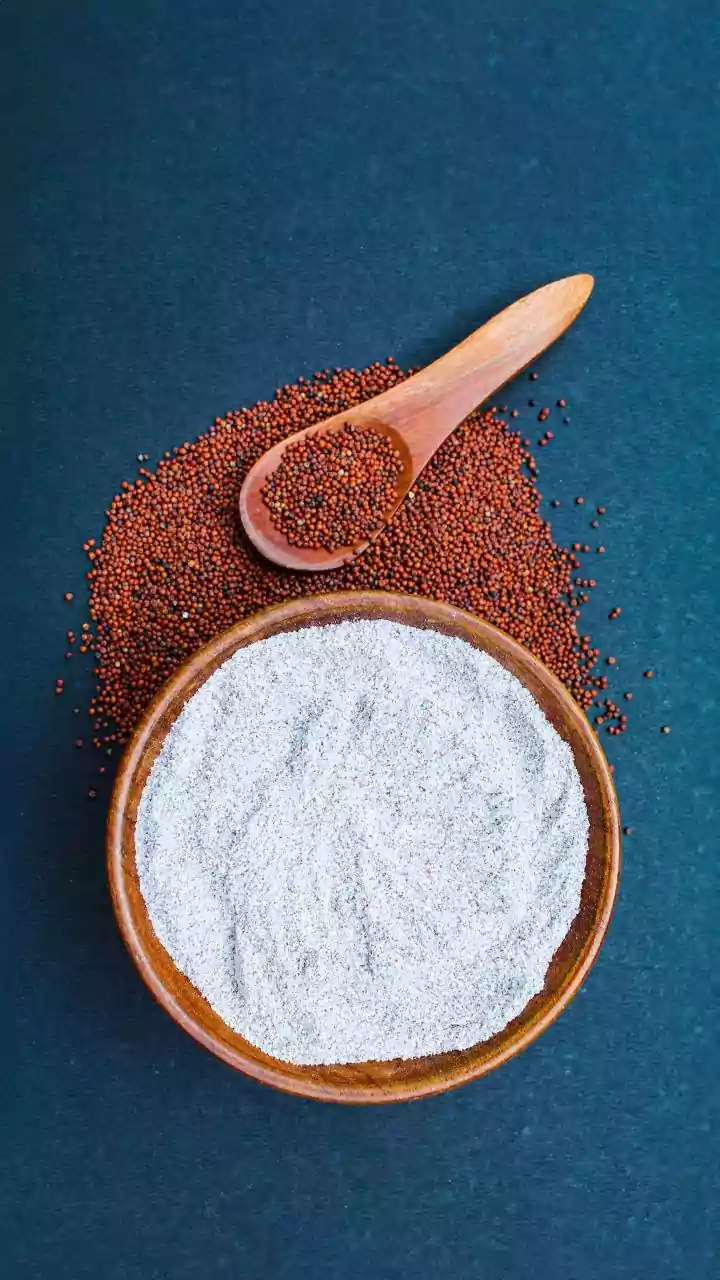
Before protein shakes and energy bars, there were traditional grain malts. In India, this often refers to a nourishing porridge-like beverage made from millets like ragi (finger millet), jowar (sorghum), or bajra (pearl millet). These grains are sprouted, dried, roasted, and ground into a fine powder. This 'malt' powder is then simply cooked with water or milk to create a drink that has been a cornerstone of Indian nutrition for generations, especially for growing children and new mothers. The process of malting is key; it makes the nutrients in the grain, such as calcium and iron, more available for the body to absorb and improves digestibility.
The Science of Staying Full and Focused
Traditional grain malts are champions when it comes to satiety, thanks to a powerful combination of three factors. First, they are incredibly high in dietary fibre. Millets like ragi and bajra are packed with fibre which slows down digestion, making you feel full for an extended period. Second, they are complex carbohydrates with a low Glycemic Index (GI). Unlike the simple sugars in processed snacks, these carbs release energy slowly and steadily into your bloodstream. This prevents the dreaded blood sugar spike and subsequent crash, keeping your energy and focus stable throughout the afternoon. Finally, millets provide a good amount of plant-based protein, which further contributes to the feeling of fullness. A study on millet-based recipes found that pearl millet malt had a high satiety index of 133, significantly helping to reduce subsequent calorie intake.
From Kitchen to Cubicle: A Practical Habit
Integrating grain malts into a busy corporate schedule is surprisingly simple. You can prepare a flask in the morning and have it as a mid-morning drink to prevent overeating at lunch, or as a planned 4 PM 'snack' to preemptively strike against cravings. Many quality pre-made malt powders are available, requiring you to just add hot water or milk. Look for brands that use whole grains and have no added sugar. A warm glass of ragi malt, perhaps lightly sweetened with jaggery, is not just a beverage; it’s a strategic tool. It provides the sustained energy your brain needs to function, improves concentration, and fortifies you against the allure of the vending machine, making your workday more productive and your health goals more achievable.