





The Breakfast We Loved to Hate
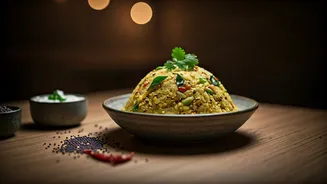
Mention upma in a group, and you'll likely get strong reactions. It’s a dish that lives in the memory of every Indian household, a quick-fix breakfast or tiffin that could be either a comforting delight or a pasty punishment. Made from dry-roasted semolina
(rava) or coarse rice flour, its genius lies in its simplicity. A bit of mustard seed, curry leaves, onions, and maybe some vegetables, and a meal is ready in minutes. Yet, for every person who sings its praises, another shudders at the memory of a gluey, bland version served in a school canteen or hostel mess. This reputation has long relegated upma to the category of ‘functional’ rather than ‘fashionable’ food.
A Craving for Comfort and Nostalgia
So, what’s changing? Part of upma’s resurgence is rooted in a powerful cultural shift: the turn towards nostalgia. In our hyper-globalised, fast-paced world, there's a growing collective yearning for the simple, grounding foods of our past. Upma is the culinary equivalent of a warm hug from a grandparent. It evokes memories of lazy weekend mornings and the specific aromas of a family kitchen. It represents a connection to roots and a rejection of overly complex, international food trends. Chefs and home cooks alike are realising that the food we once took for granted holds immense emotional value, and they are bringing it back to the forefront with a newfound respect.
The Wellness and Health Halo
Beyond nostalgia, upma's comeback is being supercharged by the wellness movement. The classic rava upma itself is light and easily digestible, but its true power lies in its versatility. Health-conscious millennials and Gen Z are swapping semolina for a host of healthier alternatives. Enter quinoa upma, millet upma, oats upma, and even cauliflower-rice upma. These variations pack more protein, fibre, and nutrients while retaining the dish's comforting essence. It fits perfectly into modern dietary preferences: it can be vegan, gluten-free (if using millets or quinoa), and loaded with vegetables. This adaptability has transformed upma from a simple carb dish into a modern superfood bowl.
From Home Kitchens to Hip Cafes
The surest sign of a food trend is its appearance on restaurant menus, and upma is no longer confined to home kitchens or Udupi joints. A new generation of chefs is reimagining it with flair. In cities like Bengaluru, Mumbai, and Delhi, trendy cafes are serving artisanal versions. You might find a millet upma topped with sundried tomatoes and feta, or a classic rava upma elevated with a dash of truffle oil and exotic mushrooms. These establishments aren't just serving food; they're serving a story. By putting a polished, gourmet spin on a familiar dish, they are validating its place in modern Indian cuisine and introducing it to a new audience that might have otherwise dismissed it.
A Testament to Versatility
Ultimately, upma’s quiet return is a celebration of its incredible versatility. It was never just one dish. Across India, it exists in countless forms. There's the tangy tomato upma, the soft and savoury semiya (vermicelli) upma, the fluffy bread upma made from leftover slices, and the carb-rich rice upma. Each region has its own subtle twist, from the addition of cashews in the south to the use of different vegetable combinations in the west. This inherent adaptability is what allows it to absorb new ingredients and ideas so seamlessly, whether it’s a handful of edamame or a sprinkle of parmesan cheese. It’s a canvas that has always been waiting for new artists.