


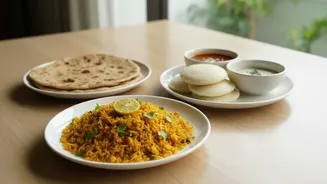
What Exactly Is the Portion Approach?
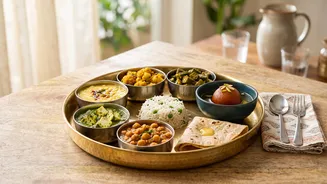
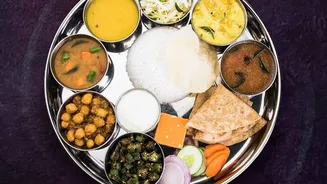
The portion approach, often called portion control, is not a restrictive diet but a mindful eating strategy. It’s about being aware of how much food you choose to eat at one time, rather than eliminating entire food groups. In the Indian context, think
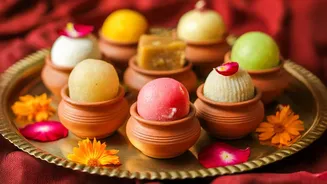
of it as curating your own perfect thali instead of piling everything on. The goal is moderation, not deprivation. By consciously deciding on smaller amounts of rich, festive foods, you can savour the flavours you love without overindulging. This method helps you tune into your body's natural hunger and fullness signals, making it a sustainable practice long after the festive season ends. It's about balance, allowing you to enjoy a gulab jamun or a piece of barfi as a special treat that complements, rather than cancels out, your regular healthy meals.
The Plate Strategy for Festive Parties
Navigating a buffet or a family gathering can be overwhelming. A simple and effective technique is the 'balanced plate' method. Before you start serving, scan all the available options and decide what you truly want to enjoy. Then, use a smaller plate if possible—a visual trick that makes a controlled portion feel more satisfying. Aim to fill half of your plate with vegetables or a fresh salad. Dedicate one quarter to a source of protein like dal, paneer, or grilled chicken, which helps you feel full for longer. The final quarter can be for carbohydrates such as rice or roti, and your chosen festive indulgence. This structure ensures you get a balanced meal and prevents you from mindlessly filling your plate with only heavy, calorie-dense dishes.
Smart Swaps and Mindful Choices
Making small, smart choices can significantly reduce the calorie load without sacrificing taste. When faced with options, try to pick baked or roasted snacks over deep-fried ones, like a baked samosa instead of a fried one. When it comes to sweets, which are often the star of festive spreads, choose one or two of your absolute favourites and savour them slowly. Instead of having three ladoos, have one and truly enjoy every bite. Many traditional sweets now have healthier versions made with natural sweeteners like jaggery or dates, which can be a better choice. Also, be mindful of liquid calories. Sugary drinks, cocktails, and mocktails can add up quickly. Opt for water, coconut water, or fresh lime soda to stay hydrated.
Prepare Before You Celebrate
One of the most common mistakes is arriving at a party or gathering feeling famished. Skipping meals earlier in the day often leads to overeating later. To avoid this, have a small, nutritious snack before you leave home. A piece of fruit, a handful of nuts, or a bowl of yoghurt can curb intense hunger and empower you to make more conscious choices at the buffet. Staying well-hydrated throughout the day is also crucial, as thirst can sometimes be mistaken for hunger or sugar cravings. Drinking a glass of water before a meal can also help you feel gently full, making you less likely to overeat.
The Gentle Reset After the Feast
Festivals are meant for enjoyment, and even with the best intentions, you might overindulge. The key is to avoid guilt and get back to your routine the next day without resorting to extreme measures like skipping meals. Focus on rehydrating with plenty of water or herbal teas to help flush out excess sodium and reduce bloating. Plan for simple, home-cooked meals rich in vegetables and lean protein for a day or two following a heavy festive meal. A comforting bowl of dal and sabzi can feel nourishing after rich party food. Incorporating some light physical activity, like a walk, can also help you feel re-energised. The portion approach isn't about perfection; it's about making consistently better choices most of the time, allowing for guilt-free enjoyment during special occasions.