


Why Our Cities Need Pollinators
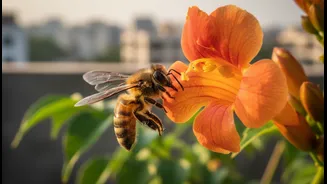
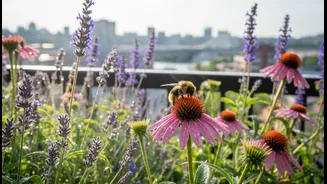
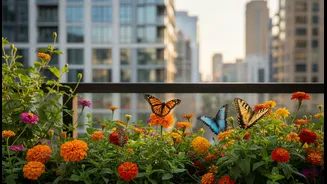
Pollinators like bees, butterflies, birds, and even some flies are not just a charming sight; they are essential for our ecosystem and food security. They are responsible for fertilising the vast majority of flowering plants, including many of the fruits
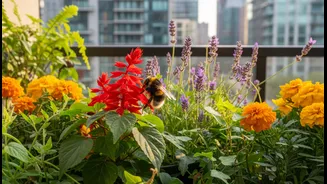
and vegetables we eat. In India, wild bees such as the dwarf honey bee and giant honey bee are critical for pollinating urban kitchen gardens, from gourds to mangoes. However, urbanisation, pollution, and the loss of flowering habitats are causing a steep decline in their populations. Paradoxically, our cities, with their diverse garden plants, can act as vital refuges for these struggling species, providing a more consistent source of nectar than some rural landscapes.
Ditch These Common Gardening Mistakes
Many well-intentioned city gardeners accidentally make their spaces inhospitable to pollinators. The most significant mistake is the use of chemical pesticides and herbicides. These chemicals don't just kill pests; they are toxic to bees and other beneficial insects, poisoning them or destroying their food sources. Another common error is prioritising aesthetics over function by planting popular, ornamental flowers that are sterile or offer little to no nectar and pollen. A garden full of beautiful but non-native, complex hybrids might look lovely, but to a bee, it's often a food desert.
Plant a Pollinator Buffet
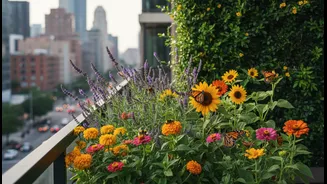
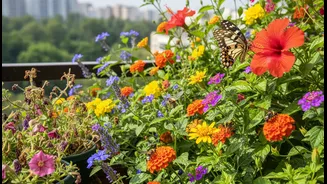
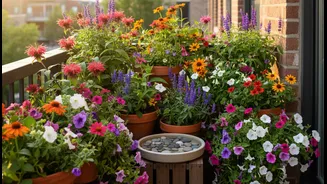
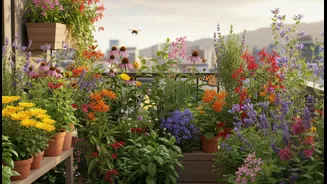
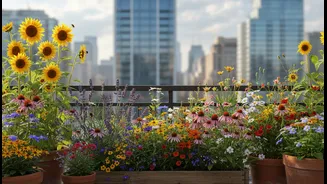
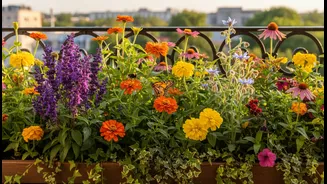
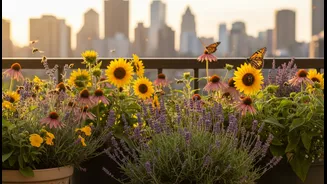
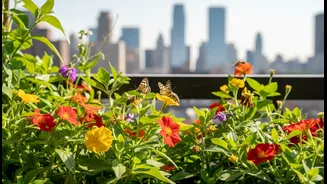
The single most effective thing you can do is to plant nectar-rich flowers, prioritising native species. Native plants are adapted to the local climate and have co-evolved with local pollinators, making them the perfect food source. For Indian gardens, some excellent choices include Marigold (Genda), Cosmos, Zinnia, and Salvia. Don't forget herbs like Holy Basil (Tulsi), mint, and curry leaves (Kadi Patta), whose small flowers are a magnet for tiny bees. Aim for variety in colour, shape, and size to attract a diverse range of pollinators. Planting in dense clusters also makes your garden more attractive and easier for them to find.
Think Beyond the Blooms
A truly friendly garden offers more than just food. Pollinators also need water and shelter to thrive. You can provide a safe water source by placing a shallow dish of water with pebbles or marbles in it. The stones act as landing pads, allowing insects to drink without the risk of drowning. Shelter is equally important. Many native bees are solitary and nest in hollow stems, dead wood, or patches of bare earth. Instead of keeping your garden perfectly tidy, allow a small corner to remain a bit wild. You can even create a dedicated 'bee hotel' from bundles of bamboo sticks or blocks of wood with holes drilled into them to provide safe nesting sites.
Create a Year-Round Haven
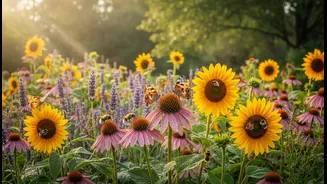
Pollinators need food from early spring through to the end of the year, not just during peak summer. Plan your garden to have a continuous succession of blooms. Choose plants with staggered flowering times to ensure there's always a food source available. For example, after the spring flowers fade, summer bloomers like sunflower and coneflower can take over, followed by late-season asters and marigolds that provide for migrating butterflies and late-flying bees. This creates a reliable ecosystem that will keep pollinators coming back.