







From Novelty to Daily Necessity
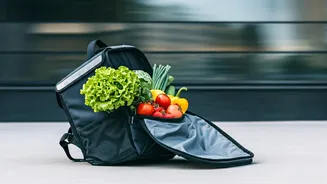
Just a few years ago, the idea of getting milk, bread, or a forgotten onion delivered to your doorstep in under 15 minutes seemed like a futuristic fantasy. Born out of the pandemic-accelerated shift to online services, quick commerce (or q-commerce)
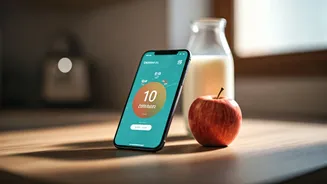
initially faced skepticism. Today, it's a dominant force. In 2026, quick commerce accounts for over 70-75% of all online grocery orders in India, fundamentally altering how urban residents shop. This isn't just about convenience; it's a behavioural shift. The weekly, planned grocery run is being replaced by spontaneous, need-based purchases made with a few taps on a smartphone, anytime day or night. This transformation reflects a deeper change in urban lifestyles, driven by a generation that values time and immediacy above all.
The Titans of a Multi-Billion Dollar Market
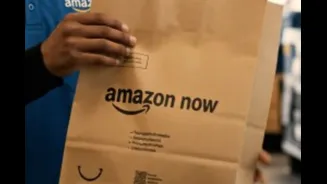
The Indian quick commerce market has seen explosive growth, ballooning from just a few hundred million dollars to an estimated $11.5 billion at the end of 2025. Projections suggest it could reach a staggering $60-83 billion by 2030. This high-stakes battle is dominated by a few key players. Blinkit (backed by Zomato's parent company Eternal) leads the pack with a formidable 46% market share in early 2026. It's followed closely by rivals Swiggy Instamart and Zepto, who hold approximately 24% and 22% of the market, respectively. Recently, e-commerce behemoths Amazon and Flipkart have intensified their efforts, scaling up their 'Amazon Now' and 'Flipkart Minutes' services to compete in this booming sector, signaling its mainstream acceptance.
The Engine Behind the Speed: Dark Stores
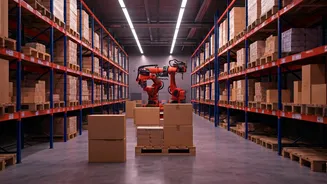
The magic of 10-minute delivery is powered by a sophisticated and costly infrastructure built around 'dark stores'. These are not retail shops but small, neighbourhood-level warehouses packed with 2,000-5,000 of the most frequently ordered items. India now has over 6,000 such dark stores, creating a dense network that allows for rapid order fulfilment within a short radius. The major players have invested heavily in this model, with Blinkit operating over 2,200 stores, while Swiggy Instamart and Zepto run more than 1,100 each. While this model ensures speed, it also raises questions about long-term profitability, given the high rental and operational costs, especially as platforms expand beyond dense metros into Tier-2 and Tier-3 cities.
More Than Just Groceries
What began with delivering daily essentials has quickly expanded. Quick commerce platforms are now one-stop shops for a vast array of products. Consumers are ordering everything from iPhones and skincare to baby care products and small electronics. This expansion into higher-margin categories is crucial for the platforms' financial health, helping to increase the average order value (AOV), which has already climbed from around ₹300-350 to ₹450-600. This diversification shows that quick commerce is not just replacing the corner store visit but also chipping away at purchases once made from larger e-commerce sites and modern trade outlets.
A New Retail Landscape
The rise of this new normal has come with consequences. Traditional kirana stores, long the backbone of Indian retail, are feeling the pressure. Reports indicate that a significant number of consumers have reduced their purchases from local stores, with some estimates suggesting that kirana stores' market share could decline as quick commerce grows. The industry also faces scrutiny over its business model's sustainability and the working conditions of its delivery partners, which prompted government intervention to curb the "10-minute delivery" marketing promise due to safety concerns. Despite these challenges, many kirana stores are adapting by integrating digital tools, and some see a future where traditional retail and quick commerce coexist, perhaps even in partnership.