








Why Our Bodies Need a Monsoon Reset
As the skies open up and the land cools down, our bodies undergo a subtle shift. According to Ayurveda, the ancient Indian science of life, the monsoon season aggravates the 'Vata' dosha, which is associated with air and space. This can lead to a sluggish
digestive system, bloating, gas, and weakened immunity. The humidity in the air dampens our digestive fire, or 'agni', making it harder to break down heavy foods. A monsoon 'detox' isn't about flushing out imaginary toxins; it’s a mindful dietary shift to support your gut, bolster your defences against seasonal infections, and maintain energy levels when the weather is gloomy and damp. It’s about working with your body, not against it.
Embrace Warmth and Lightness
The cornerstone of a monsoon diet is eating warm, cooked, and easily digestible foods. Think of it as giving your digestive system a much-needed break. This is not the time for cold salads, raw vegetables, or iced drinks, which can further dampen your agni. Instead, turn to comforting bowls of soup, light stews, and freshly prepared meals. Moong dal, in particular, is celebrated for its digestibility. A simple bowl of khichdi, made with rice and moong dal, is considered the perfect monsoon meal—it’s nourishing, light on the stomach, and provides a balanced mix of protein and carbohydrates. Other good choices include old aged rice, barley, and oats, which are lighter than wheat or maize.
Spice It Up, The Right Way
Spices are your best friends during the monsoon. They do more than just add flavour; they help kindle the digestive fire and combat the dampness of the season. Pungent and bitter tastes are especially beneficial. Incorporate spices like ginger (adrak), garlic (lehsun), turmeric (haldi), black pepper (kali mirch), and asafoetida (hing) into your cooking. A cup of ginger tea can work wonders for a sore throat and sluggish digestion. Turmeric is a powerful anti-inflammatory and immunity booster. These spices help improve circulation, reduce phlegm, and possess antimicrobial properties that are particularly useful when the risk of water-borne and air-borne infections is high.
Choose Your Vegetables and Fruits Wisely
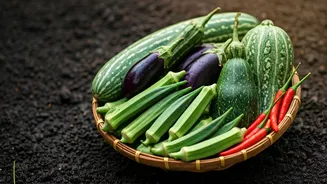
While vegetables are essential, the monsoon calls for selectivity. Leafy greens, for instance, can be laden with dirt and germs during this season and are harder to digest. If you do eat them, ensure they are thoroughly washed and well-cooked. Instead, opt for gourds like lauki (bottle gourd), tori (ridge gourd), parwal (pointed gourd), and kundru (ivy gourd). These vegetables have high water content but are light and easy on the gut. When it comes to fruits, choose seasonal options like pomegranates, apples, and pears. It's best to avoid very sour or heavy fruits like watermelon, as they can increase water retention and slow down digestion.
Smart Hydration Is Key
Staying hydrated is crucial, but how you hydrate matters. Guzzling down cold water can extinguish your digestive fire. Instead, sip on warm water throughout the day. You can also boil your water with herbs like tulsi or a pinch of dry ginger powder. Herbal teas are an excellent way to stay warm and healthy. A simple concoction of tulsi, ginger, and black pepper can help ward off colds and coughs. Avoid carbonated drinks and excessive dairy products like cheese and heavy yoghurts, which can be difficult to digest and contribute to phlegm production. A glass of warm milk with a pinch of turmeric before bed, however, can be soothing and immunity-boosting.